You may have heard about hearing loss, one of the most common medical conditions, especially in the United States. Hearing loss doesn’t happen just because you are exposed to loud noises. It usually occurs gradually because of habits you build over time. The severity and treatment will differ from one person to another, impact on your hearing.
Less-known things affecting your hearing
Hearing can degrade slowly as you age, but it is also affected by factors such as your lifestyle or job type. Hearing loss has signs, but they can be subtle, and most people often miss them. For example, the signs can increase the volume or ask people to repeat themselves more often.
Viral or bacterial infection
Did you realize that viral or bacterial infections can lead to hearing loss? These infections can affect your hearing, throw off your balance, and even lead to tinnitus. The good news is that this type of hearing loss is often temporary with prompt and proper treatment.
Most people thought that head trauma only affects the brain inside. However, head trauma can impact your hearing as well. Anything that damages your ears or brain can affect your hearing, such as a blow to the head, getting foreign objects inside your ears, or an accident that damages your canal or eardrum.
Diabetes
Diabetes can affect your hearing. It’s a fact! Diabetes can raise the chances of experiencing hearing loss by causing damage to the nerve cells in your ears. Low blood sugar can also compromise the signals from your ears to your brain, affecting your hearing. While diabetes is not the primary cause of hearing loss, it certainly has the potential to impact your hearing in specific situations.
Sleep apnea
Sleep apnea is frequently underestimated, but recent research has revealed its connection to a higher prevalence of hearing loss. This correlation is attributed to reduced blood flow in the inner ears.
High blood pressure
Blood flow plays a significant role in healthy hearing, as ear structures are sensitive to changes in blood flow. Hence, high blood pressure can affect your hearing because your heart and blood vessels are overworked. It overwhelms ear structures with blood, often causing temporary hearing loss that goes away once your blood pressure returns to normal.
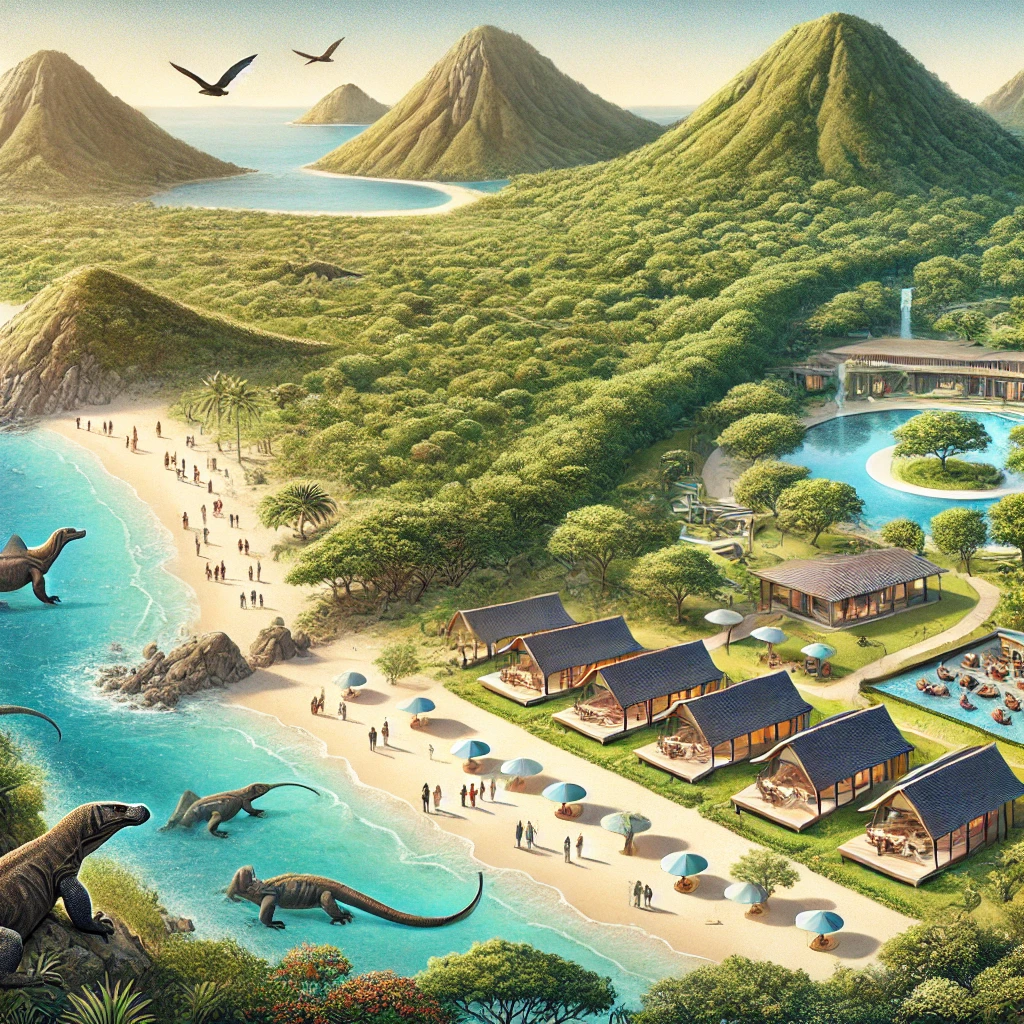
Komodo Island, part of the Komodo National Park in Indonesia, is famous for its unique inhabitants—the Komodo dragons. These ancient reptiles, often called the last remaining dinosaurs on Earth, have drawn visitors worldwide. Recently, a controversial proposal has emerged to create a “Jurassic Park”-“-style attraction in Komodo National Park, raising questions about the balance between conservation and tourism.
The Proposal: Turning Komodo Island into a Jurassic Park
The idea of turning Komodo National Park into a “Jurassic Park” is not new. Still, it has gained renewed attention in recent years. The concept is to create a more immersive experience for visitors, similar to the fictional theme park in the popular movie franchise. The proposed attraction involves enhancing existing facilities, introducing new exhibits, and creating controlled environments for observing wildlife up close.
Supporters of this concept contend that it can potentially drive Komodo island tourism and produce substantial income for the local economy. They believe more visitors would be drawn to the island by creating a more attractive and engaging experience, benefiting the surrounding communities. This revenue could then be reinvested into conservation efforts, helping to preserve the natural habitat and protect the Komodo dragons.
Conservation Concerns: The Impact on Komodo Dragons
The proposal has encountered strong resistance from conservationists and environmentalists. Komodo National Park area is a fragile ecosystem, home to the Komodo dragons and various other unique species. Critics argue that increasing the number of visitors and introducing more commercial activities could harm the island’s wildlife.
The Komodo dragons, in particular, are sensitive to environmental changes. Increased human presence could disrupt their natural behavior, leading to stress and potentially harming their population. Moreover, constructing new facilities and infrastructure could damage the island’s delicate ecosystems, threatening the survival of the dragons and other species that inhabit the area.
Conservationists argue that the focus should be on protecting the natural environment rather than turning it into a commercial attraction. They believe the primary goal should be to ensure the long-term survival of the island’s Komodo dragons and other wildlife rather than prioritizing short-term economic gains.
Balancing Tourism and Conservation: Is It Possible?
The debate over the “Jurassic Park” proposal on Komodo National Parkhighlights a broader issue that many natural sites face: balancing tourism with conservation. Tourism can support conservation efforts and strain the environments it aims to protect.
Some experts suggest that a compromise could be found. They propose enhancing the existing visitor experience sustainably and respectfully. This could include improving educational programs, offering guided tours focusing on conservation, and limiting the number of visitors to prevent overcrowding.
A more sustainable approach is necessary to maintain Komodo Island’s tourist attraction while preserving its unique ecosystems. However, this would require careful planning and prioritizing conservation over short-term profits.
The Role of Local Communities: Involving Stakeholders in the Decision
One key aspect of the debate is the role of local communities in the decision-making process. The people living on and around Komodo National Park are deeply connected to the land and its wildlife. Many rely on tourism for their livelihoods but are also concerned about the long-term impact of increased commercialization on their environment.
It’s crucial to involve local communities in the conversation to develop a solution that benefits everyone. Their expertise and familiarity can offer critical perspectives on overseeing the island’s resources sustainably. Involving locals in decisions ensures development benefits the environment and community.
There is also the question of who would benefit from the revenue generated by the proposed “Jurassic Park.” To garner support from the island residents, it’s essential to reinvest a substantial part of the profits back into the local community and conservation efforts.
The Future of Komodo Island: What Lies Ahead?
As the debate continues, the future of Komodo National Park remains uncertain. Creating a “Jurassic Park” on the island is a proposal. Still, it has sparked a broader conversation about the challenges of balancing tourism and conservation. The result of this debate may have far-reaching implications for Komodo Island and other natural areas facing similar challenges.
Ultimately, the choice will revolve around safeguarding the island’s exceptional wildlife and cultivating sustainable tourism. Whether or not the “Jurassic Park” concept becomes a reality, one thing is clear: the natural beauty and biodiversity of Komodo National Park must be preserved for future generations to enjoy. The challenge is to achieve this while supporting the local economy and providing an unforgettable experience for visitors.
Indonesia, a sprawling archipelago boasting vibrant cultures, volcanic landscapes, and idyllic beaches, isn’t just a feast for the senses and an invitation to disconnect from the digital world and reconnect with yourself. With the constant barrage of notifications and the pressure to stay connected, a digital detox can feel revolutionary. Here are 5 incredible destinations in Indonesia, meticulously chosen by a travel writer yearning for a break from the digital noise, that will help you unplug, unwind, and rediscover the simple joys of being present:
Raja Ampat, West Papua
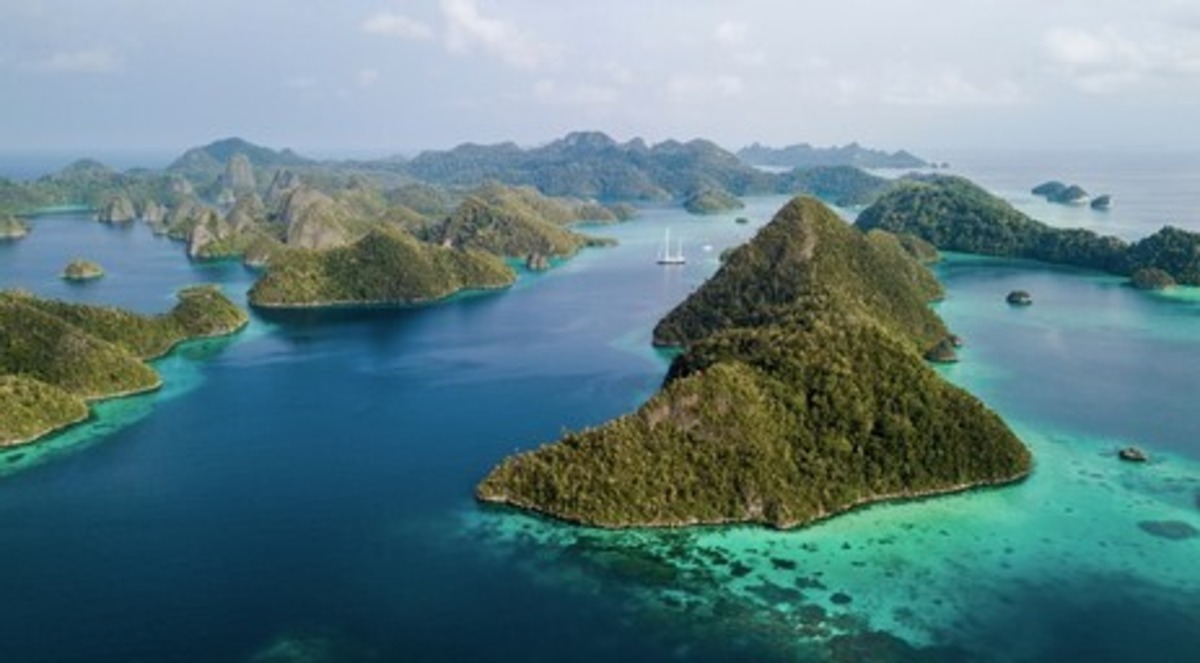
Imagine waking up to the gentle lapping of turquoise waves against your stilted overwater bungalow. Raja Ampat comprises over 1,500 islands and has a lot more to offer. Disconnect from the grid and immerse yourself in the unparalleled beauty of the Coral Triangle. Discover colorful coral reefs filled with diverse marine creatures, paddle through secluded lagoons, or hike amidst lush rainforests featuring exotic bird species. Here, the rhythm of nature replaces the relentless ping of your phone.
Tanjung Puting National Park, Central Kalimantan
Deep within the emerald embrace of Borneo Island lies Tanjung Puting National Park, a haven for orangutans and a sanctuary for tranquility. Trade your social media feed for the thrill of spotting these majestic primates in their natural habitat. Navigate the meandering Sekonyer River on a traditional klotok (wooden houseboat). The gentle hum of the engine was the only sound competing with the symphony of the jungle. Reconnect with the natural world and rediscover the simple beauty of unfiltered moments.
Dive into a world of serenity beneath the waves in Wakatobi National Park. Often called the “underwater paradise,” this marine reserve boasts unparalleled biodiversity. Your phone signal vanishes as you descend, replaced by colorful fish dancing and the profound silence of the deep. Disconnect from the digital world and reconnect with the awe-inspiring beauty of the underwater realm.
Desa Wisata Wae Rebo, East Nusa Tenggara
Nestled amidst the misty mountains of Flores Island lies Desa Wisata Wae Rebo, a traditional village untouched by the modern world. Explore the vibrant cultural legacy of the Manggarai people. Participate in ancient ceremonies, learn about their unique architecture featuring cone-shaped houses called “Mbaru Niang,” and witness breathtaking sunrises that paint the sky in fiery hues. Disconnect from the digital world and reconnect with the warmth of genuine human connection.
Baluran National Park, East Java
Escape the crowds and discover the hidden gem of Baluran National Park. Frequently overlooked in favor of its more renowned counterpart, Mount Bromo, Baluran provides a peaceful retreat for self-reflection and immersing oneself in nature. Hike through savannah grasslands teeming with wildlife, climb Mount Baluran for panoramic views, or relax on pristine beaches with crashing waves as your soundtrack. Disconnect from the digital world and reconnect with the restorative power of nature’s silence.
These five destinations offer a digital detox escape tailored to different preferences. Whether you seek underwater adventures, cultural immersion, or a connection with nature. Indonesia provides the perfect backdrop to unplug, unwind, and rediscover the simple joys of being present. Remember, the most enriching experiences often lie beyond the screen, waiting to be discovered with a curious mind and an open heart. Get ready for an exciting trip to Indonesia, where you can unplug and enjoy a rejuvenating digital detox adventure. Remember to pack your bags, leave your charger at home, and get ready to explore the beautiful destinations.
Nusa Dua, a tranquil area on the southern tip of Bali, is renowned for its luxury resorts, pristine beaches, and world-class hospitality. Among its crown jewels is the 5-Star Hotel in Nusa Dua, a premier destination for travelers seeking an unparalleled blend of comfort and elegance. However, like many tourist destinations, Nusa Dua experiences a noticeable visitor dip during the low season. To counteract this, the Indonesia Tourism Development Corporation (ITDC) has ingeniously capitalized on international music festivals to maintain a steady influx of guests. This strategy benefits the local economy and ensures that the top Hotels in Nusa Dua and other regional hotels remain bustling year-round.
The Role of ITDC in Promoting Nusa Dua
The ITDC, responsible for developing and promoting Nusa Dua as a tourist destination, has proactively found innovative solutions to the challenges posed by seasonal fluctuations. By hosting international music festivals during the low season, ITDC attracts music enthusiasts from around the globe, transforming a quieter period into a vibrant and lively time for the area. These festivals draw large crowds, significantly boosting local businesses, including hotels, restaurants, and shops.
The Impact on 5-Star Hotels in Nusa Dua
International music festivals substantially impact the 5-star Hotel in Nusa Dua. These events draw in a diverse audience, including international tourists and local visitors, who often seek accommodations that offer luxury and convenience. The influx of festival-goers ensures that high-end hotels, such as the 5-star Hotel in Nusa Dua, experience increased occupancy rates. This helps maintain revenue and positions Nusa Dua as a year-round destination for luxury travelers.
Hotels in Nusa Dua leverage these festivals to enhance their guest experience. By offering exclusive festival packages, including VIP tickets, transportation, and exceptional amenities, hotels create an attractive proposition for visitors. These packages often feature additional perks such as spa treatments, gourmet dining experiences, and guided tours, making the stay even more memorable. The Best Family Hotel Nusa Dua often tailors these packages to include family-friendly activities and entertainment, ensuring guests of all ages enjoy an enjoyable experience.
Collaboration with Event Organizers
The success of these festivals is largely due to the close collaboration between ITDC and event organizers. Through collaboration, they guarantee that every occasion is carefully organized and carried out, delivering a smooth experience for all participants. This collaboration extends to the Family Hotel Nusa Dua, which often hosts festival-related events such as pre-parties, after-parties, and meet-and-greet sessions with performers. These additional events create a buzz around the festival, attracting even more visitors.
Boosting the Local Economy
The benefits of international music festivals extend beyond the hospitality industry. Local vendors, artisans, and service providers also reap the rewards of increased tourism during these events. From food stalls and souvenir shops to transport services and tour guides, the influx of visitors provides a much-needed economic boost during the low season. This holistic approach to tourism development ensures that the entire community benefits from ITDC’s initiatives.
Future Prospects
Looking ahead, ITDC plans to expand its calendar of events, incorporating a more comprehensive range of festivals and cultural activities. This strategic approach aims to position Nusa Dua as a premier entertainment and cultural tourism destination. By continuously enhancing its offerings and promoting diverse events, ITDC ensures that Nusa Dua remains a top choice for travelers seeking unique and enriching experiences.
Indonesia, an archipelago nation adorned with emerald islands, volcanic peaks, and captivating coastlines, is a dream destination for adventurous road trippers. Buckle up and hit the gas because Indonesia offers an unforgettable journey on wheels, weaving together diverse landscapes, rich cultures, and hidden gems. Here are some of the best road trip routes to consider for your next adventure in Indonesia:
1. Unveiling the Majesty of Java:
Route: Begin your journey in Jakarta, Indonesia’s bustling capital, and head east towards the charming city of Bandung. With its tea plantations and volcanic peaks, Bandung is a haven for nature lovers.
Itinerary: Continue your adventure in Indonesia from the south to Pangandaran, a beach paradise offering surfing, diving, and stunning sunsets. Wind your way through the scenic highlands of Wonosobo, stopping to marvel at the majestic Dieng Plateau with its colorful lakes and ancient temples. Conclude your trip to Yogyakarta, the cultural heart of Java, where you can immerse yourself in the beauty of Prambanan and Borobudur Temple.
2. Unveiling the Enchantment of Bali:
Route: Start your exploration in Denpasar, Bali’s vibrant capital. Head north towards Ubud, the island’s artistic and cultural hub, renowned for its rice paddies, traditional dance performances, and art galleries.
Itinerary: Continue your journey east to the charming village of Sidemen, nestled amidst breathtaking rice terraces. Drive south to the stunning Nusa Dua peninsula, a haven for luxurious resorts and pristine beaches. Conclude your Balinese adventure in Seminyak, a trendy coastal town known for its lively nightlife and world-class surfing.
Route: Begin your exploration in Medan, Sumatra’s energetic capital city. Head south towards Bukittinggi, a charming highland town offering breathtaking views and a glimpse into Minangkabau culture.
Itinerary: Continue your adventure to Lake Toba, the largest volcanic lake in the world, where you can explore Samosir Island and experience the unique Batak culture. Head west towards Aceh, a province rich in history and natural wonders, where you can visit the mesmerizing Lau Kawar Hot Springs and the Tsunami Museum.
4. Unveiling the Secrets of Flores:
Route:West Flores (Labuan Bajo – Ruteng – Manggarai – Cancar):
Itinerary: Begin your adventure in Labuan Bajo, the gateway to Komodo National Park, where you might encounter the legendary Komodo dragons. Travel inland to Ruteng, a cool mountain town surrounded by traditional villages. Explore the Manggarai region, known for its megalithic stone structures and stunning rice terraces. End your journey in Cancar, a city nestled amidst dramatic limestone cliffs, offering breathtaking views.
Itinerary: Relax on the beautiful beaches of Senggigi, a famous resort town on Lombok’s west coast. Head towards Mataram, the island’s capital, to experience its cultural treasures. Hike through the lush hills of Tetebatu, a region common for its coffee plantations and stunning waterfalls. Conclude your trip in the lively beach town of Kuta, offering various surfing options and vibrant nightlife.
6. Unveiling the Beauty of Sulawesi:
Route:South Sulawesi (Toraja Land – Makassar – Bira Beach)
Itinerary: Delve into the unique culture of Toraja Land, where traditional funeral ceremonies and intricately carved wooden houses await. Explore Makassar, a bustling port city rich in history and cultural influences. Finally, unwind on Bira Beach’s pristine white sand beaches, perfect for swimming and relaxation.
Planning Your Adventure in Indonesia Road Trip:
Research and Preparation: Choose your route based on your interests and desired duration. Ensure your vehicle is in good condition and obtain the necessary permits. Research toll roads and plan your stops for fuel and refreshments.
Embrace the Unexpected: Part of a road trip’s charm is the possibility of discovering hidden gems along the way. Be flexible and open to detours and spontaneous adventures.
Respect Local Culture: Dress modestly in areas with religious significance and be mindful of local customs. Learn basic Indonesian phrases to enhance your interactions with the locals.
Komodo Island, nestled in the heart of Indonesia, is a volcanic wonder unlike any other. This rugged island chain boasts a unique ecosystem teeming with life, most famously the Komodo dragon – the largest lizard species on Earth. But Komodo Island offers far more than just prehistoric giants. Vibrant coral reefs, diverse marine life, and traditional villages waiting to be explored make it a dream destination for eco-conscious travelers, especially those from the United States seeking an adventure beyond the ordinary.
For American explorers, Komodo Island presents a unique opportunity to immerse themselves in a culture vastly different from their own. Here, we’ll explore the best ways to experience the wonders of Komodo Island from an American perspective, focusing on eco-friendly travel options that give back to the environment and local communities.
Unveiling the Jewels of Komodo National Park
Komodo National Park encompasses Komodo Island, Rinca Island, Flores Island, and several smaller islands. It is a UNESCO World Heritage site that showcases an impressive variety of biodiversity.
On Land:
Encountering the Komodo Dragon: A private tour of Komodo is the best way to observe these magnificent creatures in their natural habitat safely. Expert guides will share amazing insights into the Komodo dragon’s behavior and the ongoing conservation efforts to protect these prehistoric wonders.
Trekking Through Pristine Landscapes: Hiking trails weave through Komodo Island’s volcanic terrain, offering breathtaking views of lush rainforests, dramatic coastlines, and hidden waterfalls. Opting for a private tour, Komodo allows you to tailor the hike to your fitness level and interests.
Exploring Local Villages: Stepping into a traditional village on Flores Island provides a glimpse into the region’s rich cultural heritage. Interact with friendly locals, learn about their way of life, and support local artisans by purchasing handcrafted souvenirs.
Komodo Island boasts some of the most incredible diving experiences in the world. Diversity coral reefs teeming with colorful fish, playful dolphins, graceful manta rays, and even majestic sharks await exploration.
Komodo Liveaboard Adventure: A Komodo liveaboard offers the ultimate diving experience. Imagine waking up on a comfortable boat each morning, ready to explore a new dive site teeming with marine life. Liveaboards typically cater to a small group of divers, ensuring a personalized and eco-friendly experience.
Exploring Underwater Paradise: Komodo diving offers something for divers of all skill levels. From gentle coral gardens teeming with macro life to thrilling wall dives and current drifts, there’s a dive site to suit your preferences. Experienced guides will ensure safety and point you toward the most spectacular underwater encounters.
Setting Sail on a Komodo Sailing Tour
Imagine exploring the rugged coastlines and hidden coves of Komodo Island aboard a traditional Indonesian Phinisi boat. A Komodo sailing tour allows you to uniquely appreciate the islands’ beauty, with the wind in your hair and the crystal-clear water beckoning below.
Eco-Friendly Sailing: Many Komodo sailing tours prioritize sustainable practices. Look for tours that use traditional wind power whenever possible, minimize waste generation, and actively support local communities.
Island Hopping Adventures: A Komodo sailing tour allows you to explore multiple islands within the national park. Discover hidden beaches, snorkel in crystal-clear coves, and encounter diverse wildlife, all while appreciating the breathtaking scenery.
Unforgettable Sunsets: Witnessing the sun dip below the horizon over the Komodo Islands is an experience that will stay with you forever. Imagine relaxing on the deck of your sailboat, sipping a refreshing drink, and soaking in the beauty of this magical place.
Beyond the Adventure: Supporting Conservation Efforts
Tourism plays a crucial role in Komodo Island’s conservation efforts. American travelers can directly contribute to protecting this unique ecosystem by choosing eco-friendly tours and operators prioritizing sustainability.
Responsible Tourism: Look for tours strongly committed to responsible tourism practices. These might include using local guides, supporting community-based projects, and minimizing environmental impact.
Respecting Wildlife: Always follow your guide’s instructions when encountering wildlife. Maintain a safe distance from Komodo dragons and other animals, and avoid littering or disturbing their natural habitat.
Leaving a Positive Impact: Becoming an eco-conscious traveler is key. Pack reusable water bottles and shopping bags, minimize waste generation, and choose locally sourced products whenever possible. Every small effort counts in preserving this natural wonder.
Komodo Island offers an unforgettable adventure for American travelers seeking an eco-friendly escape. From encountering Komodo dragons to diving into an underwater paradise, there’s something for everyone.
The allure of a cruise vacation is undeniable. The chance to explore multiple destinations, indulge in luxurious amenities, and unwind on the open seas has captured the hearts of travelers worldwide. But with so many options available, navigating the world of cruising can feel overwhelming, especially for first-timers. This guide aims to demystify the experience, focusing on two crucial aspects: cruise ships type and itinerary variations.
Unveiling the Diverse Landscape of Cruise Ships
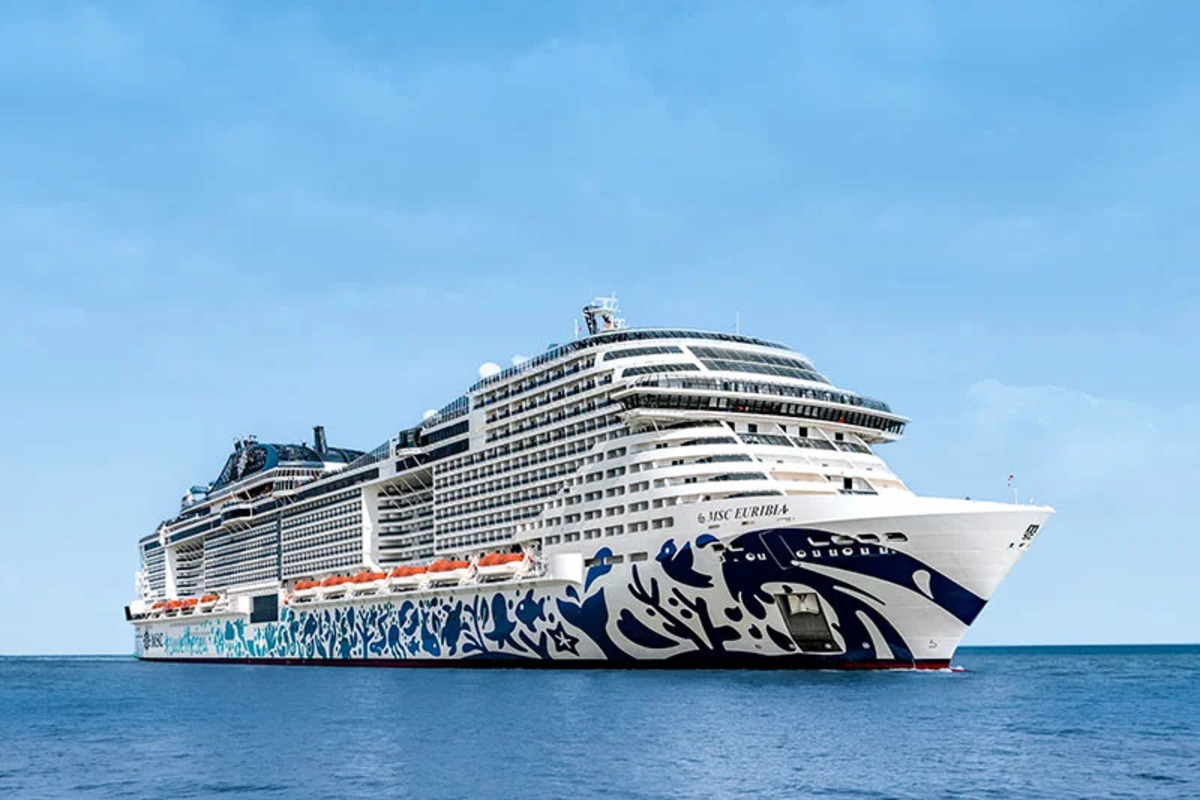
Cruise ships come in various shapes and sizes, catering to diverse preferences and budgets. Understanding these categories is crucial for selecting the perfect vessel for your dream vacation.
1. Mega-Ships: These behemoths of the sea, often exceeding 4,000 passengers, offer a world of entertainment and activities onboard. Think sprawling water parks, Broadway-caliber shows, and diverse dining options. They are ideal for families and those seeking a vibrant, action-packed experience.
2. Premium Ships: These ships typically accommodate 2,000 to 3,000 passengers, balancing size and intimacy. They provide a wider range of speciality restaurants, upscale amenities, and spacious public areas than mega-ships, catering to a more discerning clientele.
3. Small Ships: Embracing intimacy and personalized service, these vessels usually carry less than 500 passengers. They navigate smaller ports inaccessible to larger ships, offering unique itineraries and a more immersive cultural experience. They are ideal for travelers seeking a relaxed and exclusive atmosphere.
4. Expedition Ships: Built for adventure, these robust vessels are designed to explore remote destinations like the Arctic, Antarctica, and the Galapagos Islands. They prioritize sturdy construction, specialized equipment for exploration, and expert onboard naturalists catering to thrill-seeking and nature-loving travelers.
5. Luxury Ships: Epitomizing exclusivity and personalized attention, these intimate vessels, often accommodating less than 500 guests, provide unparalleled service, gourmet dining experiences, and spacious, elegantly appointed suites. They cater to discerning travelers seeking an ultra-luxurious and pampered vacation.
Charting Your Course: A Look at Different Itinerary Types
Once you’ve chosen your ideal ship, it’s time to delve into the exciting world of cruise itineraries. These carefully crafted plans determine your destinations, port times, and cruise experience.
1. Perennial Itineraries: These popular routes operate year-round, catering to regions with consistent weather conditions like the Caribbean and the Mediterranean. They offer a reliable choice for travelers seeking predictable sunshine and familiar destinations.
2. Seasonal Itineraries: Tailored to specific seasons, these itineraries capitalize on unique experiences offered during particular times of the year. Alaskan cruises during the summer months showcase stunning glaciers and wildlife, while European cruises during the festive season offer charming Christmas markets and winter wonderlands.
3. Repositioning Cruises: These one-way voyages reposition ships between their seasonal homeports, offering unique itineraries and often featuring longer port stays and more diverse destinations compared to traditional round-trip cruises. They are ideal for budget-conscious travelers seeking a longer and more adventurous experience.
4. Themed Cruise Shipes: Catering to specific interests, these cruises cater to passionate travelers. Foodies can indulge in culinary adventures with renowned chefs onboard, while music lovers can groove to live performances by their favorite artists. Adventure enthusiasts can embark on active itineraries focused on hiking, diving, or wildlife encounters.
Choosing the Perfect Match: Aligning Your Preferences with the Right Options
With a grasp of ship types and itinerary variations, you can make informed decisions for your dream cruise ships. Consider the following factors to ensure a perfect match:
Travel style: Do you crave action-packed excitement or prefer a more relaxed and intimate experience?
Budget: Cruise prices vary significantly depending on ship size, amenities, and itinerary.
Destination preferences: Are you drawn to tropical paradises, historic cities, or remote wilderness adventures?
Travel companions: Consider the needs and preferences of those traveling with you, especially families with young children or groups with diverse interests.
Beyond the Basics: Additional Considerations for a Smooth Sail
Remember, these are just starting points. Several additional factors can influence your cruise experience:
Embarkation and disembarkation ports: Consider travel logistics and potential one-way flights if necessary.
Shore excursions: Research and pre-book excursions to maximize your time in each port.
Onboard activities and entertainment: Ensure the ship offers options that align with your interests.
Dress code: Different cruise lines have varying dress codes, especially for formal evenings.
Indonesia, a breathtaking archipelago nation, boasts diverse landscapes, vibrant cultures, and unique wildlife encounters. Amongst its many wonders lies Komodo National Park, a UNESCO World Heritage Site famed for its prehistoric inhabitants – the Komodo dragons. This ultimate guide unveils the secrets of this remarkable destination, combining thrilling volcano treks with unforgettable encounters with these legendary creatures on your Komodo island tour.
Planning Your Komodo Island Adventure
Getting There:
Labuan Bajo, a charming harbor town on Flores Island, is the gateway to Komodo National Park. Flights connect Labuan Bajo to major Indonesian cities like Bali and Jakarta. Alternatively, ferries offer a scenic journey from Lombok and Flores.
Choosing Your Tour:
Komodo National Park offers diverse experiences, from day trips to multi-day liveaboard cruises. Day trips focus on specific highlights like Komodo dragon viewing and snorkeling, while cruises provide a more immersive exploration, encompassing various islands, trekking adventures, and breathtaking landscapes. Consider your interests, budget, and desired comfort level when selecting your tour.
Essential Packing:
Pack light, breathable clothing suitable for hot and humid weather. Long pants, shirts, and sturdy shoes are crucial for trekking. Bring sunscreen, insect repellent, a hat, sunglasses, a swimsuit, and a reusable water bottle. Remember your camera to capture unforgettable moments!
Unveiling the Komodo Dragons
Rinca Island
Embark on your dragon quest on Rinca Island, home to the largest population of these magnificent reptiles. Accompanied by experienced guides, trek through the savannah-like landscape, watching the Komodo dragons basking in the sun or lumbering through the vegetation. Witnessing these prehistoric giants in their natural habitat is an experience that will leave you amazed.
Komodo Island:
Venture further to Komodo Island, the namesake of these fascinating creatures.
Explore the diverse terrain, ranging from volcanic slopes to secluded beaches.
Observe the dragons in their natural environment, learning about their unique biology and conservation efforts.
Remember to maintain a safe distance and follow ranger instructions for a responsible and enriching encounter.
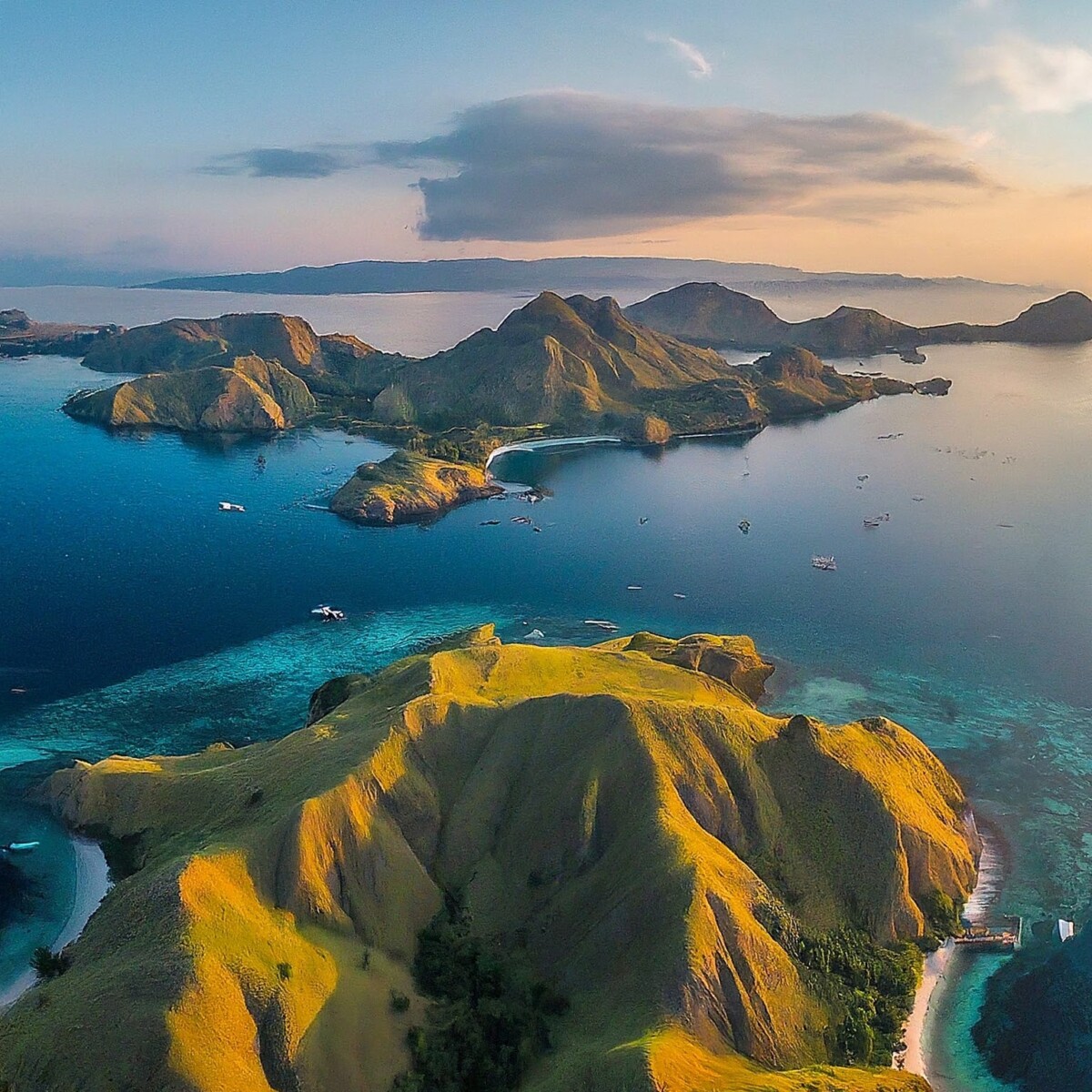
Hike to the summit of Padar Island, renowned for its breathtaking panorama. Witness a unique geographical marvel where three distinct coves, each boasting a different colored beach (black, white, and pink), converge, creating a scene of unparalleled beauty. The moderate trek rewards you with panoramic vistas of the surrounding islands and the turquoise waters of the national park.
Mount Kelimutu:
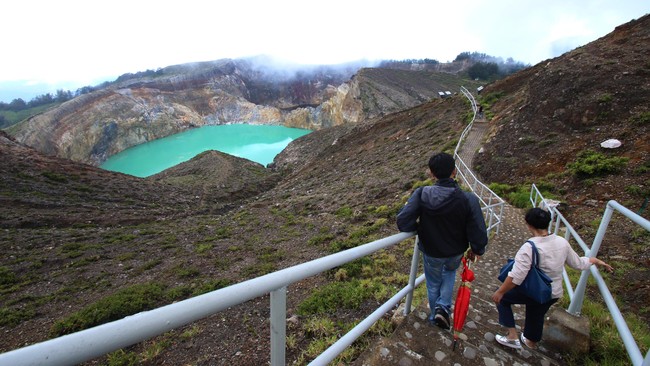
Venture beyond Komodo National Park to Flores Island and embark on a challenging yet rewarding trek to Mount Kelimutu. Witness the spectacle of three crater lakes, each displaying captivating turquoise, green, and black hues due to volcanic activity and varying mineral compositions. The mystical ambiance and breathtaking views make this trek an unforgettable experience.
Unveiling the Underwater Paradise
Snorkeling and Diving:
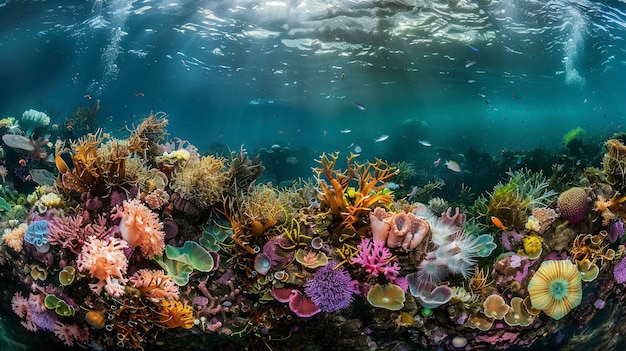
Immerse yourself in the vibrant underwater world of Komodo National Park. Explore coral reefs teeming with diverse marine life, from colorful fish and playful dolphins to majestic manta rays gliding effortlessly through the crystal-clear waters. Popular snorkeling spots include Manta Point, Pink Beach, and Kanawa Island, offering encounters with various fascinating creatures.
Cultural Immersion:
Delve into the rich cultural tapestry of the region. Visit traditional villages on Flores Island and interact with the local communities, learning about their customs, way of life, and traditional crafts. Experience their warm hospitality and better understand the cultural heritage intertwined with the natural wonders on your Komodo island tour.
Responsible Tourism Practices
Respecting Wildlife:
Remember, you are a guest in the Komodo dragons’ habitat.
Maintain a safe distance, follow ranger instructions, and avoid disturbing their natural behavior.
Refrain from feeding the dragons, as this can disrupt their natural hunting instincts.
Protecting the Environment:
Consider how your actions will affect the fragile ecology.
Dispose of waste responsibly, avoid using single-use plastics, and respect the natural beauty of the national park.
Choose tour operators committed to sustainable practices and conservation efforts.
Supporting Local Communities:
Opt for locally-owned businesses and homestays to contribute directly to the local economy and empower communities. Purchase souvenirs from local artisans and respect their cultural practices.
By following these responsible tourism practices, you can ensure a positive impact on the environment and local communities while creating lasting memories of your Komodo Island adventure.
Komodo National Park offers a unique blend of thrilling adventures, captivating wildlife encounters, and breathtaking landscapes. This ultimate guide equips you with the knowledge to plan your dream Komodo Island tour, combining exhilarating volcano treks with unforgettable encounters with the legendary Komodo dragons. Remember, travel responsibly, embrace the diverse experiences, and create memories that will stay with you forever.
The call of the wild whispers to a certain breed of adventurer. Whether scaling a snow-capped peak, traversing a verdant jungle, or forging through a desolate desert, expedition offer a chance to test our limits, forge a connection with nature, and return with experiences that etch themselves onto our souls.
However, venturing into the untamed embrace of the wilderness demands respect and preparation. Lack of planning can transform the thrill of exploration into a struggle for survival. So, before you embark on your next expedition, equip yourself with these invaluable tips and navigate nature with confidence:
Planning and Preparation:
Know Your Terrain: Intensely research your destination. Understand the climate, terrain, potential hazards, and necessary permits. Remember to underestimate the power of detailed maps, guidebooks, and local knowledge.
Assemble Your Arsenal: Invest in reliable equipment suited for your specific environment. Prioritize quality and durability over fancy features. Pack for all weather conditions, including unexpected emergencies. Remember first-aid kits, communication devices, and navigation tools.
Sharpen Your Skills: Before entering the unknown, hone your essential skills. Master navigation with compass and map, learn basic survival techniques and practice wilderness first aid. Consider participating in wilderness training courses for a comprehensive foundation.
Team Up Wisely: Surround yourself with experienced and reliable companions. Choose individuals with complementary skills and relevant expertise. Discuss roles and responsibilities beforehand, ensuring every member contributes to the team’s success.
Embracing the Journey:
Respect the Rhythm of Nature: Be mindful of the environment and its inhabitants. Move through the land with minimal impact, leaving no trace of your passage. Practice responsible camping and minimize wildlife disturbance.
Adaptability is Key: Nature holds a fickle grip on her seasons and moods. Be prepared for the unexpected, adapt your plans flexibly, and learn to improvise when necessary. Remember, sometimes the greatest adventures arise from unplanned detours.
Mind Your Mental Compass: Expeditions are as much about inner resilience as physical endurance. Manage stress, cultivate patience, and maintain a positive attitude. Embrace the challenges as opportunities for growth, and celebrate the simple joys found in the raw beauty of nature.
Communicate and Collaborate: Effective communication is vital for group cohesion and safety. Maintain clear lines of communication within your team, share observations, and address concerns promptly. Foster teamwork and support one another through challenges.
Safety First: Never compromise on safety. Know your limits, prioritize risk assessment, and make rational decisions. Don’t push yourself beyond your physical and mental capabilities. Remember, turning back is a sign of wisdom, not failure.
Weathering the Storm: Unpredictable weather can turn a serene trek into a harrowing ordeal. Learn to interpret weather patterns, prepare for potential storms, and have contingency plans. Seek shelter during extreme weather events and prioritize protecting yourself and your team.
First Aid and Emergencies: Be prepared for the unexpected. Master basic first-aid techniques and carry a well-stocked medical kit. Familiarize yourself with common wilderness hazards and manage potential emergencies calmly and effectively.
Returning Transformed:
Embrace the Lessons Learned: Expeditions are journeys of self-discovery. Reflect on your experiences, acknowledge your strengths and weaknesses, and embrace the lessons learned in the wild. These valuable insights will enrich your life long after you’ve returned to civilization.
Share Your Stories: Inspire others by sharing your expedition tales. Document your experiences through journals, photographs, and stories. Spread awareness about conservation, responsible travel, and the transformative power of connecting with nature.
Never Stop Exploring: The call of the wild never truly fades. Let your first expedition be the catalyst for lifelong exploration. Keep learning, venturing, and continue to be captivated by the endless wonders of the natural world.
With careful planning, a respect for nature, and the unwavering spirit of adventure, your expeditions can be transformative experiences that forge unforgettable memories and enrich your life beyond measure. So, pack your bags, hone your skills, and embark on your journey into the wild. Remember, navigating nature is not just about conquering a path – it’s about discovering the resilience, the wonder, and the boundless beauty within ourselves.
The Island of the Gods isn’t just a haven for sun-kissed beaches and breathtaking sunsets. In the age of digital pilgrimage, Bali is also a thriving hub for businesses, entrepreneurs, and creators vying for a slice of the online market. But navigating the ever-evolving search engine optimization (SEO) landscape in Bali, a culturally rich island, presents unique challenges and opportunities.
Fear not, intrepid digital adventurers! This guide unveils 10 proven SEO strategies in Bali specifically crafted for maximizing your organic traffic. From keyword mastery to local link love, these tips will help you conquer Google’s algorithm and attract a steady stream of online visitors to your Bali-based business.
1. Localize Your Keywords, Embrace Bahasa Indonesia:
While English reigns supreme in the global SEO game, neglecting Bahasa Indonesia is a cardinal sin in Bali. Research and incorporate relevant Bahasa Indonesia keywords, meta descriptions, and product listings into your website content. Consider local variations and slang to resonate with your target audience truly.
2. Embrace the Power of Long-Tail Keywords:
Forget generic keywords like “Bali tours.” Instead, target long-tail keywords like “eco-friendly yoga retreats in Ubud” or “best vegan restaurants near Seminyak.” These specific phrases have lower competition and attract users with higher purchase intent, leading to better conversions.
3. Claim Your Local Listings and Optimize for Google My Business:
Get your business listed on Google My Business, Bing Places, and other local directories. Ensure your information is accurate and up-to-date, including contact details, operating hours, and high-quality photos. Respond to reviews promptly and showcase your unique offerings to attract potential customers.
4. Content is Still King (and Queen): Craft Compelling Local Stories:
Bali is a treasure trove of vibrant stories, from ancient temples to hidden waterfalls. Share these stories through engaging blog posts, captivating videos, and stunning visuals. Beyond travel guides – offer insider tips, local experiences, and cultural insights that resonate with your target audience.
5. Befriend the Balinese Blogosphere: Guest Post and Build Links:
Networking is key in Bali’s close-knit digital community. Contact established local blogs and websites in your niche and offer guest posts. This exposes your business to a wider audience and builds valuable backlinks, boosting your website’s authority in Google’s eyes.
6. Optimize for Mobile: Embrace the Island Lifestyle:
Bali is a paradise for mobile-first users. Ensure your website is mobile-friendly, loads quickly, and offers a seamless user experience on smartphones and tablets. Remember, many visitors will plan their Bali adventures on the go, so cater to their mobile needs.
7. Tap into the Power of Social Media: Instagram Your Way to Success:
In Bali, Instagram isn’t just a social platform; it’s a marketing powerhouse. Share stunning visuals of your offerings, engage with your audience, and run targeted ads to reach potential customers. Collaborate with local influencers and leverage Instagram stories to showcase your unique selling proposition.
8. Embrace the Local: Connect with the Balinese Community:
Bali is a community-driven island. Support local businesses, partner with community initiatives, and highlight the island’s cultural richness in your content. This builds goodwill, strengthens your brand image, and attracts customers who appreciate your connection to the local spirit.
9. Go Beyond Google: Explore Local Search Engines:
While Google dominates globally, local search engines like Tripadvisor and Traveloka hold significant sway in Bali. Optimize your listings on these platforms with relevant keywords and captivating descriptions. Engage with users, respond to reviews, and offer exclusive deals to attract visitors from these channels.
10. Track, Analyze, and Adapt: SEO is a Marathon, Not a Sprint:
SEO is a continuous journey, not a one-time fix. Regularly monitor your website traffic, track keyword rankings, and analyze user behavior. Adapt your strategies based on your findings, experiment with new tactics, and stay updated on the latest SEO trends.
By implementing these proven strategies, you can conquer the Balinese digital landscape and attract organic traffic to your business. Patience, consistency, and a deep understanding of the local market are key to success. So, embrace the Island of the Gods and watch your online presence flourish!