Blog

  • Digital Nomad Lifestyle: How to Work, Travel, and Thrive Anywhere

    Digital Nomad Lifestyle: How to Work, Travel, and Thrive Anywhere

    0Shares

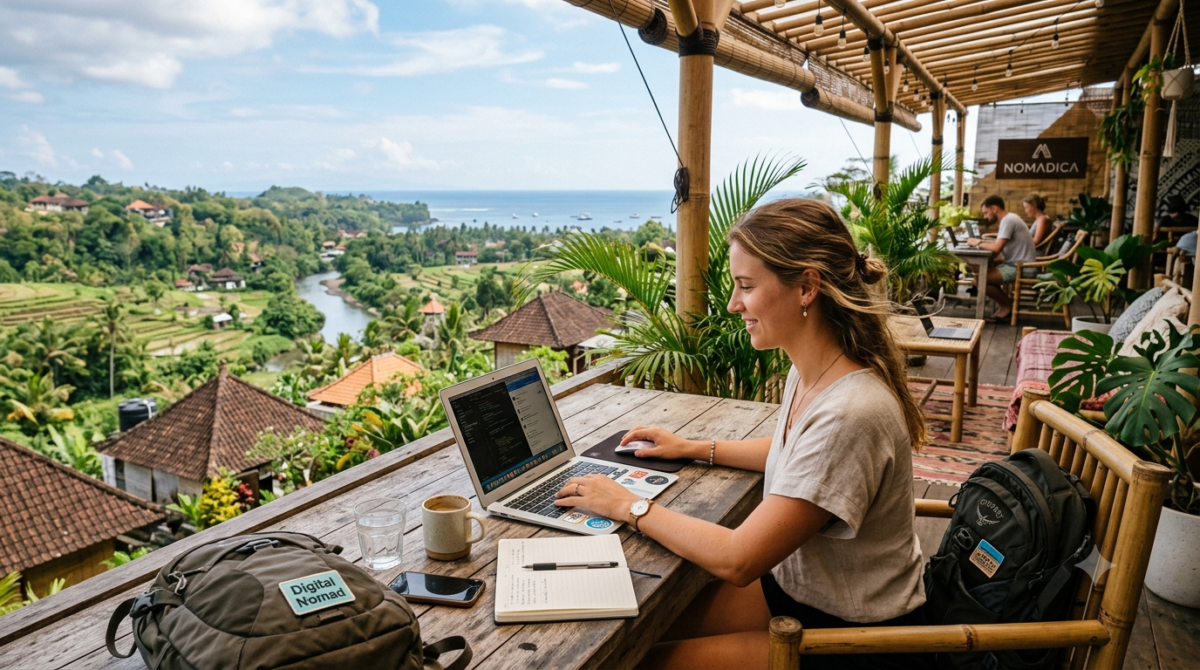
    The digital nomad lifestyle has transformed the way people approach work and travel. Thanks to reliable internet, cloud-based tools, and flexible work arrangements, professionals can now build successful careers while exploring new destinations. Whether you’re working from a beachfront café in Bali, a mountain town in Europe, or a bustling city in South America, this lifestyle offers freedom that traditional office jobs often cannot match.

    However, becoming a digital nomad is about more than booking flights and finding beautiful coworking spaces. It requires planning, discipline, financial awareness, and the ability to adapt to changing environments. This guide explains what the digital nomad lifestyle involves, its benefits and challenges, and practical tips for long-term success.

    What Is a Digital Nomad Lifestyle?

    A digital nomad lifestyle allows individuals to work remotely while traveling or living in different locations. Instead of being tied to a permanent office, digital nomads use laptops, smartphones, and internet connectivity to complete their work from virtually anywhere.

    Common professions include:

    • Freelance writers and designers
    • Software developers
    • Digital marketers
    • Online consultants
    • Virtual assistants
    • Content creators
    • E-commerce entrepreneurs

    Many companies also offer remote-first positions, making it easier than ever for employees to embrace location-independent work.

    Benefits of Becoming a Digital Nomad

    Greater Freedom

    One of the biggest attractions is the flexibility to choose where you live and work. You can relocate according to your interests, budget, or climate without sacrificing your career.

    Cultural Experiences

    Living in different countries provides opportunities to experience local traditions, cuisines, and communities. These experiences often lead to personal growth and broader perspectives.

    Better Work-Life Balance

    Many digital nomads structure their schedules around productivity rather than office hours. This flexibility allows time for exercise, sightseeing, hobbies, and meaningful relationships.

    Potential Cost Savings

    Choosing destinations with a lower cost of living can help remote workers reduce expenses while maintaining the same income. Careful budgeting can improve long-term financial stability.

    Challenges of the Digital Nomad Lifestyle

    Although the digital nomad lifestyle offers exciting opportunities, it also comes with responsibilities.

    Reliable Internet Is Essential

    Remote work depends on stable internet access. Before choosing a destination, research internet speeds, coworking spaces, and backup connectivity options.

    Managing Different Time Zones

    Working with international clients or global teams may require flexible schedules. Good calendar management and communication are essential.

    Loneliness and Isolation

    Constant travel can make it difficult to build lasting relationships. Joining coworking communities, networking events, or local meetups helps create meaningful connections.

    Financial Planning

    Income may fluctuate for freelancers and entrepreneurs. Maintaining emergency savings, tracking expenses, and diversifying income sources can reduce financial stress.

    Essential Skills for Long-Term Success

    Thriving as a digital nomad requires more than technical expertise.

    Time Management

    Without a traditional office environment, self-discipline becomes crucial. Setting daily goals, maintaining routines, and minimizing distractions help maintain productivity.

    Communication

    Strong communication skills are vital when collaborating remotely. Clear emails, organized project management, and regular video meetings keep teams aligned.

    Adaptability

    Travel often involves unexpected changes such as visa requirements, transportation delays, or internet outages. Flexibility helps overcome these challenges with less stress.

    Financial Responsibility

    Successful digital nomads monitor budgets carefully, understand tax obligations, and invest in insurance to protect themselves while traveling.

    Best Destinations for Digital Nomads

    Several cities have become popular because they combine affordable living, reliable internet, and vibrant communities.

    Popular destinations include:

    • Bali, Indonesia
    • Lisbon, Portugal
    • Chiang Mai, Thailand
    • Medellín, Colombia
    • Tbilisi, Georgia
    • Mexico City, Mexico

    These locations often provide excellent coworking spaces, networking opportunities, and lifestyle amenities that support remote professionals.

    Tools Every Digital Nomad Should Use

    Technology makes remote work possible. Consider using:

    • Cloud storage for secure file access
    • Video conferencing platforms for meetings
    • Project management software for collaboration
    • Password managers for security
    • Expense tracking apps for budgeting
    • VPN services for safer internet connections

    Investing in quality equipment, including a lightweight laptop and noise-cancelling headphones, can also improve productivity.

    How to Start Your Digital Nomad Journey

    If you’re considering this lifestyle, start with a clear plan.

    First, secure a reliable remote income source before leaving your current location. Next, research visa requirements, healthcare options, and accommodation in your chosen destination.

    It’s also wise to test remote work with shorter trips before committing to full-time travel. This approach allows you to refine your workflow and discover what environment suits you best.

    Building an emergency fund that covers several months of expenses provides additional financial security in unexpected situations.

    Frequently Asked Questions

    Is the digital nomad lifestyle suitable for everyone?

    Not necessarily. It works best for individuals who enjoy flexibility, can manage uncertainty, and are comfortable working independently.

    What jobs are best for digital nomads?

    Remote-friendly careers such as software development, digital marketing, graphic design, writing, consulting, and customer support are among the most popular.

    Do digital nomads pay taxes?

    Yes. Tax obligations depend on your country of citizenship, residency status, and the regulations of the countries where you work. Professional tax advice is recommended for international situations.

    Conclusion

    The digital nomad lifestyle continues to redefine modern work by combining career opportunities with the freedom to explore the world. While it offers flexibility, cultural experiences, and personal growth, long-term success depends on careful planning, financial discipline, and effective time management. By developing strong remote work habits and choosing destinations that support your professional needs, you can build a rewarding career without being limited by geography.


  • How to Choose the Right Komodo Experience for Your Travel Style

    How to Choose the Right Komodo Experience for Your Travel Style

    0Shares

    Planning a trip to Komodo is exciting, but choosing the right Komodo tour package can feel overwhelming. With countless options ranging from luxury cruises to day trips, every traveller has different expectations, budgets, and travel styles. The best experience isn’t necessarily the most expensive; it’s the one that matches what you’re looking for.

    Whether you’re dreaming of secluded beaches, world-class diving, iconic viewpoints, or relaxing aboard a luxury yacht, understanding your travel preferences will help you make the most of your journey.

    This guide explains how to choose the ideal Komodo adventure based on your interests, travel companions, and desired experience.

    Why There Isn’t One “Best” Komodo Tour

    Komodo National Park welcomes hundreds of thousands of visitors every year. According to Indonesia’s Ministry of Tourism and local tourism statistics, the destination has experienced significant growth over the past decade, making it one of Southeast Asia’s premier marine tourism destinations.

    Today’s visitors are incredibly diverse:

    • Couples celebrating honeymoons
    • Families traveling with children
    • Luxury travelers
    • Divers
    • Snorkelers
    • Adventure seekers
    • Photographers
    • Solo travelers

    Because every traveller has different expectations, the perfect itinerary depends on personal preferences rather than popularity.

    Choose Based on Your Travel Style

    1. The Relaxation Seeker

    If your dream vacation involves slow mornings, sunset cocktails, and waking up to turquoise waters, consider a multi-day Komodo liveaboard experience.

    Luxury yachts offer spacious cabins, personalised service, gourmet dining, and peaceful anchorages far from crowded ports.

    Perfect for:

    • Honeymooners
    • Couples
    • Luxury travelers
    • Wellness escapes

    2. The Adventure Explorer

    If you’re constantly searching for the next unforgettable adventure, look for a Komodo boat tour that combines trekking, snorkeling, paddleboarding, and island hopping.

    You’ll experience:

    • Hiking to breathtaking viewpoints
    • Swimming with manta rays
    • Visiting hidden beaches
    • Exploring remote islands

    Adventure-focused itineraries maximize every day without feeling rushed.

    3. Wildlife Enthusiasts

    If your priority is nature, choose itineraries that dedicate more time to Komodo National Park.

    Highlights include:

    • Seeing Komodo dragons safely with park rangers
    • Bird watching
    • Marine biodiversity
    • Coral reefs
    • Pink Beach
    • Protected ecosystems

    Komodo National Park is also part of a UNESCO World Heritage Site and lies within the Coral Triangle, home to some of the highest marine biodiversity on Earth.

    4. Photography Lovers

    For photographers, timing matters more than itinerary length.

    The best experiences include:

    • Sunrise at Padar Island
    • Golden-hour sailing
    • Wildlife encounters
    • Drone-friendly anchorages
    • Crystal-clear lagoons

    Choosing the right season often has a greater impact than choosing the most luxurious boat.

    5. Families

    Families often prefer flexible itineraries that balance exploration with downtime.

    Private charters offer:

    • Flexible schedules
    • Child-friendly meals
    • Spacious cabins
    • Private snorkeling sessions
    • Safer pacing

    Young children usually enjoy beach visits, wildlife encounters, and calm snorkeling more than long hiking excursions.

    Day Trip or Multi-Day Cruise?

    One of the biggest decisions is whether to stay in Labuan Bajo or spend several days sailing.

    Day Tours

    Ideal if you:

    • Have limited vacation time
    • Want to visit famous highlights
    • Prefer sleeping in hotels
    • Have a tighter budget

    Multi-Day Cruises

    enjoy the sunsrise on Komodo tour package

    Perfect if you want:

    • Less crowded destinations
    • Sunrise and sunset at sea
    • Better snorkeling conditions
    • More wildlife encounters
    • A slower pace

    Many experienced travelers say the real magic begins after the day boats return to port.

    Don’t Forget Your Starting Point

    Every journey begins with a Labuan Bajo tour, where travellers can enjoy waterfront cafés, local seafood restaurants, and sunset viewpoints before departing.

    Many visitors spend one or two nights here before boarding their cruise, allowing time to relax after domestic flights and prepare for the adventure ahead.

    How Long Should Your Trip Be?

    Different travelers benefit from different trip lengths.

    1 Day

    Best for:

    • Short holidays
    • First-time visitors
    • Budget travelers

    3 Days / 2 Nights

    Ideal balance for:

    • Couples
    • Families
    • Most international travelers

    4–6 Days

    Perfect for:

    • Divers
    • Underwater photographers
    • Luxury charters
    • Slow travel enthusiasts

    Longer trips also provide more flexibility if weather conditions change.

    Ask Yourself These Questions Before Booking

    Instead of asking, “Which boat is the best?”

    Ask yourself:

    • Do I want adventure or relaxation?
    • Is privacy important?
    • Am I traveling with children?
    • Do I enjoy hiking?
    • Is diving a priority?
    • Do I want luxury or value?
    • How much time do I have?

    The answers will naturally narrow your options.

    Your Journey Is More Than the Destination

    Many travellers focus only on seeing Komodo dragons, but the journey itself often becomes the highlight.

    Imagine waking to calm seas, enjoying breakfast with panoramic ocean views, snorkeling over vibrant coral reefs, and ending the day beneath a sky full of stars while sailing to Komodo Island.

    These moments create memories that go far beyond a simple sightseeing trip.

    Finding the Right Experience

    There is no universal “best” itinerary—only the one that best matches your travel style.

    Whether you’re seeking luxury, adventure, wildlife, or quality time with loved ones, choosing the right Komodo tour package ensures your trip feels personal, memorable, and worthwhile.

    If you’re unsure where to start, browse our curated collection of Komodo tour packages. From luxury cruises to family-friendly adventures and customizable Labuan Bajo itineraries, Hello Flores helps you discover the perfect journey through one of Indonesia’s most extraordinary destinations.

  • Bali Property for Sale Near Upcoming Infrastructure Projects

    Bali Property for Sale Near Upcoming Infrastructure Projects

    0Shares

    For many overseas buyers, Bali is no longer only a holiday destination, it is a long-term lifestyle and investment market. As the island prepares for new transport, tourism, and economic infrastructure, interest in well-positioned homes continues to grow. Buyers comparing villas around central Bali can explore property for sale in ubud bali through Kibarer Property, not as a guide page, but as a live listing source for villas and homes that reflect the kind of market investors are watching. From my perspective as a guest writer following Bali real estate trends, the smartest buyers are asking which areas could become more valuable as access and tourism flow improve.

    Why Infrastructure Matters for Bali Property Buyers

    Infrastructure matters because it changes how people move, where visitors stay, and which neighborhoods feel convenient. In Bali, convenience is a serious investment factor. A beautiful villa can lose appeal if guests spend too much time in traffic, while a property in the right location can become more attractive when road access, transport links, or tourism facilities improve nearby. This is why Kibarer Property often helps buyers look beyond the building itself. Land position, road width, zoning, rental license potential, and access to lifestyle destinations all influence whether a Bali property can perform well over time.

    Read also: Ubud Bali Property for Sale: A Smart Choice for Long-Term Value

    The Southern Corridor and Bali Urban Subway Potential

    The southern corridor remains one of the most closely watched parts of the island. Areas connected to Ngurah Rai International Airport, Kuta, Seminyak, Berawa, Canggu, Cemagi, Jimbaran, and Nusa Dua sit inside Bali’s main tourism and mobility pattern. The planned Bali Urban Subway has made this corridor even more interesting for investors, especially because early phases are expected to improve access from the airport to high-demand tourism and residential zones. For a buyer, this does not mean every villa near the route is automatically strong. It means the surrounding area deserves closer study, and Kibarer Property can help compare whether a property is better suited for lifestyle use, rental income, or long-term appreciation.

    Canggu, Berawa, Pererenan, and Cemagi

    Canggu, Berawa, Pererenan, and Cemagi have already seen strong demand from digital nomads, families, surfers, entrepreneurs, and short-stay travelers. Better transport planning could support this demand, but it may also increase competition and land prices. That is why I would not recommend choosing a property only because it is in a famous area. A good purchase near infrastructure should still have practical access, parking, privacy, construction quality, and a clear rental concept. Kibarer Property is helpful for buyers who want to separate real opportunity from market noise across Bali’s fast-moving villa locations.

    Ubud and Central Bali as Lifestyle Investment Areas

    Ubud deserves its own discussion because its value is different from the beach areas. The appeal of Ubud comes from wellness, culture, nature, retreats, restaurants, yoga, art, and long-stay living. If future transport planning improves links between central Bali and the south, Ubud could benefit from becoming easier to reach while still keeping its calm identity. This is why many buyers consider villas near Sayan, Tegallalang, Pejeng, Mas, and other central Bali pockets. A property in Ubud should not be judged only by distance to the center. Views, road condition, surrounding land, noise level, and nearby hospitality quality can all affect performance.

    Why Ubud Still Needs Careful Due Diligence

    For buyers who want a more personal investment, Ubud can feel more meaningful than purely commercial zones. A villa surrounded by jungle, rice fields, or village life can work as a private retreat and as a rental product for guests seeking a slower Bali experience. However, Ubud also requires careful due diligence. Not every scenic plot has easy access, correct zoning, or realistic building potential. This is where Kibarer Property adds value as a villa and property agent in Bali, because buyers need local guidance before falling in love with a view. The right advisor can help identify whether a listing is beautiful, legally suitable, and practical for future use.

    Sanur, Serangan, and Kura Kura Bali

    Another area to watch is the Sanur, Serangan, and Kura Kura Bali corridor. Sanur has been growing as a mature lifestyle and wellness destination, supported by its calm beachfront, hospitals, family-friendly environment, and ferry access to Nusa Penida and Nusa Lembongan. Nearby, Kura Kura Bali has been developed as a Special Economic Zone with a focus on sustainable living, innovation, education, tourism, and long-term investment. This type of development can influence surrounding demand because it brings new attention, new facilities, and potentially new types of visitors. For investors, this corridor may include residential homes, hospitality-linked assets, and properties positioned for longer stays.

    North Bali and the Airport Conversation

    The North Bali airport conversation is important, but buyers should approach it with patience. Buleleng, Lovina, and the northern coast have long been discussed as future growth areas because they offer larger land, quieter tourism, waterfalls, diving, mountains, and a different lifestyle from the south. If major airport development and supporting roads progress, North Bali could become more accessible to international and domestic travelers. Still, this is a longer-term play. It is better suited to buyers who understand timing, risk, and infrastructure uncertainty. Kibarer Property can help investors compare northern opportunities with more established markets, so the decision is based on both vision and realism.

    Legal and Practical Checks Before Buying

    When evaluating any Bali property near an upcoming project, I would always begin with the basics. Is the property legally clean? Is it leasehold or freehold? How many years remain on the lease? Is the land certificate correct? Does the zoning allow the intended use? Can the road support guest drop-off, construction, and daily operations? Does the property have water, electricity, internet, and drainage that match the buyer’s plans? These questions may sound less exciting than talking about future infrastructure, but they protect the investment. A location near a major project is only valuable if the property itself is secure and usable.

    Rental Potential and Market Fit

    Rental potential should also be studied carefully. Infrastructure can bring more visitors to an area, but more visitors do not automatically mean higher income for every owner. The property still needs a clear market fit. A family villa near Sanur may need different design and service standards from a honeymoon villa in Ubud or a modern villa in Canggu. A buyer should look at daily rate potential, occupancy assumptions, management fees, maintenance, staff costs, taxes, and competition. This is one reason many buyers prefer working with Kibarer Property, because the agency can connect the search process with practical market knowledge.

    Final Thoughts

    In the end, Bali property near upcoming infrastructure projects can be a strong opportunity, but it requires a selective mindset. The best buyers are not chasing rumors. They are studying access, demand, legal structure, property quality, neighborhood character, and exit potential. They understand that infrastructure can support value, but it does not replace due diligence. For anyone exploring Bali today, Kibarer Property offers a practical starting point because it combines property listings with local knowledge, legal support, and experience across villa investment markets. Bali will continue to evolve, and the properties that benefit most will likely be those positioned near progress while still offering the comfort, authenticity, and lifestyle that make people fall in love with the island in the first place.

  • Ubud Bali Property for Sale: A Smart Choice for Long-Term Value

    Ubud Bali Property for Sale: A Smart Choice for Long-Term Value

    0Shares

    Ubud has always felt different from Bali’s coastal property markets. While beach areas often attract buyers who want surfing, nightlife, and fast-paced tourism, Ubud appeals to people looking for greenery, culture, wellness, and a calmer daily rhythm. From my perspective as a writer observing Bali’s real estate market, this is why more buyers are paying attention to property for sale in ubud bali when browsing curated villa listings with Kibarer Property. The attraction is about choosing a location with long-term lifestyle value, strong identity, and steady appeal for personal use and rental demand.

    Kibarer Property, known as a villa and property agent in Bali, is often connected with premium villas, land, and investment opportunities across the island. For buyers comparing Bali’s main areas, Ubud stands out because it is not built around one short-term trend. It has art, rice fields, jungle views, dining, retreats, and a deeper cultural atmosphere.

    Why Ubud Has a Different Property Story

    Ubud’s property story is shaped by emotion as much as location. Buyers are not only asking whether a villa is close to the beach. They are asking whether it feels peaceful, whether the view is protected, whether the design connects with nature, and whether the neighborhood supports a slower lifestyle. A villa with a river view, open living space, tropical garden, or quiet village setting can have a strong pull for buyers who want more than a holiday base.

    This is where Kibarer Property can help buyers look beyond beautiful photos. Ubud is not one single market. A villa in Sayan feels different from one in Penestanan, Pejeng, Mas, Nyuh Kuning, or Tegallalang. Some areas suit walkability and restaurants, while others are better for privacy and retreat-style living. Local guidance helps buyers understand access, noise, zoning, condition, and daily services.

    Tourism Demand Supports Long-Term Value

    Tourism remains one of the strongest drivers behind Bali property demand. When visitor numbers rise, demand also grows for private villas, retreats, and long-stay homes. Bali’s official tourism statistics showed 553,328 foreign tourist visits in April 2026, a 17.21 percent increase from March 2026. That recovery matters for investors because it supports confidence in rental-oriented properties. Ubud benefits because it attracts guests looking for yoga, wellness, honeymoon trips, family escapes, cooking classes, art programs, and remote-work stays.

    Unlike some beach destinations, Ubud’s appeal is less dependent on one season or one activity. Its main strengths are cultural, natural, and lifestyle-based. This can support year-round interest from travelers who want more meaningful stays. Kibarer Property often presents Ubud as a serious option for buyers who want long-term value rather than only short-term market excitement.

    Lifestyle Buyers Are Looking Beyond the Coast

    A clear shift in Bali property is the rise of lifestyle buyers. These buyers still care about investment returns, but they also want to enjoy the home personally. Some are expats seeking a peaceful base. Some are families who want more space. Some are semi-retired buyers who want nature and comfort. Others are digital professionals who can work from Bali and prefer Ubud’s slower pace over the busy coast.

    For these buyers, Ubud offers a practical balance. It has international restaurants, wellness centers, fitness options, coworking spaces, local markets, and access to nature. At the same time, it keeps a strong Balinese character. Kibarer Property can help buyers decide whether a villa is better for living, rental income, resale value, or a mix of all three. That distinction matters because the smartest property is not always the most dramatic one.

    Popular Ubud Areas to Consider

    Central Ubud is useful for buyers who want access to restaurants, shops, galleries, and the main tourism flow, although privacy and traffic should be checked carefully. Penestanan is known for its creative atmosphere and village charm. Sayan often attracts higher-end buyers because of its jungle views, river settings, and luxury villa environment. Nyuh Kuning has a calmer residential feeling that may appeal to families and long-term residents.

    Mas and Lodtunduh can offer more space and better value compared with very central areas. Pejeng has a more local atmosphere and is becoming interesting for buyers who want quieter surroundings. Tegallalang and nearby northern areas are known for rice terraces, dramatic views, and retreat-style properties. Kibarer Property can help buyers match these areas with their real goal, whether that is rental performance, private living, or future appreciation.

    What Makes an Ubud Villa Valuable

    In Ubud, value is created by a combination of view, access, privacy, land shape, build quality, and operational potential. A jungle-view villa may look ideal, but buyers still need to ask practical questions. Is the road suitable for cars? Is drainage handled well during rainy season? Is the property easy to maintain? Does the layout work for guests? Is the surrounding area likely to remain peaceful? These details can influence long-term value as much as design.

    Architecture also matters. Ubud buyers often respond to natural materials, high ceilings, open living areas, garden bathrooms, and indoor-outdoor flow. However, beauty must be supported by construction quality. Kibarer Property can help buyers understand the difference between a photogenic villa and one that is built for long-term use in Bali’s climate.

    Investment Potential and Rental Appeal

    Ubud has rental appeal because it serves many guest types. Honeymooners want privacy and scenery. Wellness travelers want calm and healthy routines. Families want space and safety. Remote workers want comfort and reliable internet. Retreat groups often look for larger villas or nearby villa clusters. This variety gives Ubud a broader demand base than many buyers expect.

    Still, not every Ubud property will perform the same way. Rental success depends on positioning, management, photography, service quality, reviews, accessibility, and uniqueness. A village villa may suit long stays, while a central villa may suit shorter visits. Kibarer Property can help buyers compare these strengths before making a decision.

    Working with Kibarer Property

    Buying in Bali requires more than browsing listings. Buyers need to understand leasehold terms, eligible ownership structures, due diligence, notary processes, taxes, permits, access rights, and negotiation norms. For international buyers especially, local support is essential. Kibarer Property works as a villa and property agent in Bali, helping buyers explore curated listings and understand what each property really offers.

    Another benefit of working with Kibarer Property is wider market comparison. A buyer may begin with Ubud but still want to compare it with Canggu, Sanur, Uluwatu, or Seminyak. That perspective helps avoid decisions based only on emotion. It also helps buyers see whether Ubud truly matches their lifestyle, budget, and investment timeline.

    Final Thoughts

    Ubud is not the right choice for every buyer, which is exactly why it has value. It has a specific character built around nature, culture, wellness, privacy, and slower living. For long-term property value, that identity can be powerful because Ubud does not need to copy the island’s coastal markets. It has its own demand and its own buyer profile.

    For anyone considering Ubud Bali property for sale, the key is to look beyond surface beauty. A smart purchase should balance emotion with legal clarity, access, maintenance, rental potential, and future demand. With guidance from Kibarer Property, buyers can compare villas across Ubud’s different villages with more confidence. From my view, Ubud remains one of Bali’s most meaningful long-term property choices because its value is tied to lifestyle and place identity.

  • Japan Family Travel Guide for Memorable Family Vacations

    Japan Family Travel Guide for Memorable Family Vacations

    0Shares

    Japan has become one of the most appealing destinations for families seeking a combination of cultural experiences, modern attractions, outdoor adventures, and convenient travel infrastructure. Whether traveling with young children, teenagers, or multiple generations, visitors can find destinations and activities that cater to a wide range of interests and age groups.

    One of the reasons family travel in Japan continues to grow in popularity is the country’s ability to balance entertainment with education. Families can explore historic landmarks, discover local traditions, enjoy interactive attractions, and experience seasonal events while creating meaningful memories together. This diversity allows each family member to find something enjoyable throughout the journey.

    In addition to its attractions, Japan is known for its efficient transportation systems, well-maintained public facilities, and welcoming atmosphere. These factors make traveling between destinations relatively straightforward, helping families spend more time exploring and less time dealing with logistical challenges.

    From vibrant cities and cultural centers to scenic regions and family-oriented attractions, Japan offers countless opportunities for memorable vacations. With thoughtful planning, families can create an itinerary that combines relaxation, exploration, and meaningful shared experiences.

    Why Japan Is a Great Destination for Families

    family vacation japan

    Japan offers a unique combination of safety, convenience, and cultural richness that appeals to families from around the world. Major cities provide access to family-friendly attractions, shopping districts, museums, parks, and entertainment venues, while regional destinations offer opportunities to experience nature, local traditions, and seasonal landscapes.

    Another advantage is the country’s transportation network. Efficient rail services and well-connected public transportation systems make it easier for families to move between destinations without the stress often associated with long-distance travel. This accessibility allows visitors to include multiple cities and regions within a single itinerary.

    Families also appreciate the variety of experiences available throughout the year. Seasonal events, cultural festivals, outdoor activities, and educational attractions ensure that travelers can find suitable experiences regardless of when they choose to visit. These opportunities help create engaging trips that appeal to both children and adults.

    Accommodation options further contribute to the overall travel experience. Families can choose from a wide range of properties depending on their needs, including resorts, serviced apartments, and family-friendly 5 star hotels in sapporo that offer convenient access to local attractions and comfortable facilities for travelers of all ages.

    Family-Friendly Places in Japan

    family travel in tokyo

    Choosing the right destinations is one of the most important parts of planning a successful family vacation. Fortunately, Japan offers numerous locations that combine entertainment, culture, and accessibility. Families can customize their itinerary based on personal interests while ensuring that every member of the group has opportunities to enjoy the journey.

    Many travelers choose to combine major cities with regional destinations. This approach allows families to experience different aspects of Japan, from modern urban attractions and cultural landmarks to scenic landscapes and seasonal activities.

    Family Travel in Tokyo

    Tokyo offers a wide variety of family-oriented attractions, including interactive museums, parks, entertainment districts, shopping areas, and cultural landmarks. The city’s ability to combine educational experiences with entertainment makes it a popular destination for families visiting Japan.

    Read Also: Family Travel in Tokyo

    Family Travel in Kyoto

    Kyoto provides opportunities for families to experience Japan’s cultural heritage through historic temples, traditional gardens, and preserved districts. Educational experiences and cultural activities help introduce younger travelers to important aspects of Japanese history and tradition.

    Read Also: Family Travel in Kyoto

    Family Travel in Hokkaido

    Hokkaido offers a different perspective on family travel, with spacious natural landscapes, seasonal attractions, outdoor recreation opportunities, and family-friendly destinations throughout the region. Its diverse experiences make it an excellent addition to a family-focused Japan itinerary.

    Read Also: Family Travel in Hokkaido

    Activities Families Can Enjoy Together

    things to do with kids japan

    One of the reasons Japan is such a rewarding destination for families is the wide range of activities available for different age groups. Parents can enjoy cultural attractions and local experiences while children participate in interactive activities designed to be both entertaining and educational. This balance helps create itineraries that keep every member of the family engaged throughout the journey.

    Whether exploring major cities, visiting cultural landmarks, spending time outdoors, or participating in seasonal events, families can discover experiences that encourage learning, exploration, and quality time together. Many destinations also provide facilities and services specifically designed to accommodate families traveling with children.

    Things to Do in Japan with Kids

    Japan offers countless attractions suitable for children, including interactive museums, science centers, aquariums, wildlife parks, and themed entertainment venues. These attractions combine fun and education, allowing children to learn while actively participating in the experience.

    Outdoor activities are also popular among families. Parks, gardens, seasonal flower displays, and nature-focused attractions provide opportunities for children to explore different environments while enjoying time outdoors. Depending on the season, families may also encounter special events and festivals that create memorable experiences for younger travelers.

    Read Also: Things to Do in Japan with Kids

    Japan Family Vacation Guide

    Every family has different travel preferences, which is why planning plays an important role in creating a successful vacation. Some families prioritize cultural attractions and educational experiences, while others focus on outdoor recreation, entertainment, or seasonal activities. A balanced itinerary can help ensure that both adults and children remain engaged throughout the trip.

    When building a family vacation itinerary, it is often beneficial to mix sightseeing with leisure time. Including opportunities for relaxation helps maintain a comfortable pace, particularly when traveling with younger children or multiple generations. This approach creates a more enjoyable experience for everyone involved.

    Read Also: Japan Family Vacation Guide

    Planning a Family Trip to Japan

    Successful family travel begins with thoughtful planning. Choosing destinations that match the interests and needs of all travelers can significantly improve the overall experience. Factors such as transportation accessibility, accommodation options, travel pace, and seasonal conditions should all be considered when creating an itinerary.

    Many families find it helpful to combine several types of experiences within a single trip. Urban attractions, cultural landmarks, outdoor activities, and local dining experiences each contribute something different to the journey. This variety helps maintain excitement while providing opportunities to learn about different aspects of Japanese culture and daily life.

    Travel timing can also influence the experience. Different seasons offer unique attractions, landscapes, and events that may appeal to families. Understanding seasonal conditions in advance can help travelers choose destinations and activities that best align with their interests.

    By balancing structured planning with flexibility, families can create memorable vacations that accommodate different interests while allowing room for spontaneous discoveries along the way.

    Tips for Traveling Japan with Family

    Traveling with family often requires additional planning compared to solo or couple travel, but Japan’s infrastructure and family-friendly environment make the experience relatively convenient. By preparing in advance and selecting destinations that accommodate different age groups, families can enjoy a smoother and more enjoyable journey.

    One useful strategy is to maintain a balanced itinerary. While it may be tempting to visit as many attractions as possible, allowing time for rest and flexibility can improve the overall travel experience. Families traveling with children often benefit from shorter sightseeing days combined with opportunities for recreation and relaxation.

    Transportation planning is another important consideration. Japan’s efficient rail network allows families to travel between destinations comfortably, but researching routes and travel times beforehand can help minimize stress. Choosing accommodations near transportation hubs may also make daily travel more convenient.

    It is equally important to consider the interests of different family members when planning activities. Combining cultural attractions, outdoor experiences, interactive activities, and leisure time helps ensure that everyone remains engaged throughout the trip. This balanced approach often leads to more enjoyable and memorable vacations.

    Why Family Travel in Japan Continues to Grow

    Japan has become an increasingly popular destination for family vacations due to its combination of safety, convenience, cultural richness, and diverse attractions. Families can experience modern cities, historic landmarks, seasonal events, and natural landscapes within a single journey, creating opportunities for both entertainment and education.

    The country’s ability to cater to different travel styles also contributes to its appeal. Whether families prefer cultural exploration, outdoor adventures, theme parks, food experiences, or seasonal activities, Japan offers destinations and attractions capable of meeting a wide variety of interests.

    Another factor driving interest in family travel is the growing availability of services designed specifically for families. Family-oriented accommodations, accessible transportation systems, and attractions suitable for different age groups help create a more comfortable travel experience for both parents and children.

    As more travelers seek meaningful experiences that can be shared across generations, Japan continues to stand out as a destination capable of providing memorable journeys for families of all sizes and travel preferences.

    Conclusion

    Japan family travel offers an exceptional combination of cultural experiences, family-friendly attractions, outdoor adventures, and convenient transportation. From major cities such as Tokyo and Kyoto to scenic destinations like Hokkaido, families can discover a wide range of experiences that appeal to travelers of all ages.

    Whether exploring educational attractions, participating in seasonal activities, enjoying local cuisine, or simply spending quality time together, families can create meaningful memories throughout their journey. The country’s diversity allows visitors to customize itineraries according to their interests while maintaining a comfortable pace of travel.

    With thoughtful planning and a balanced mix of activities, Japan can provide a rewarding travel experience that combines entertainment, learning, and cultural discovery. These qualities continue to make it one of the most attractive destinations for families seeking unforgettable vacations and shared experiences.

  • Bali to Nusa Lembongan Boat Guide for Easy Island Travel

    Bali to Nusa Lembongan Boat Guide for Easy Island Travel

    0Shares

    A boat from Bali to Nusa Lembongan is the main way to reach this relaxed island from mainland Bali, making the transfer an important part of your trip planning. Whether you are visiting for beaches, surf, family time, villa stays, or a longer island escape, understanding departure points, luggage rules, booking tips, and arrival logistics can make the journey much smoother.

    Why Take a Boat from Bali to Nusa Lembongan?

    Nusa Lembongan lies southeast of Bali and is accessible only by sea. That is part of the island’s appeal. It feels close enough for an easy transfer, but far enough to offer a slower pace than mainland Bali.

    For travellers arriving from Australia, New Zealand, Singapore, or other international markets, Bali often acts as the first gateway. Bali’s tourism data shows strong demand, with more than 6.9 million direct foreign tourist arrivals recorded in 2025. Australia remained the largest contributor, helping explain why Nusa Lembongan continues to attract visitors seeking a quieter island stay after landing in Bali.

    The most common Bali-to-Nusa Lembongan boat departure point is Sanur, mainly because it offers regular departures, a convenient harbour, and one of the shortest crossing times. Some services also leave from Benoa, Mertasari, or Serangan, depending on the operator and whether you are booking a public fast boat or private charter.

    Main Departure Points in Bali

    Sanur Harbour is the most popular departure point for a boat transfer to Nusa Lembongan. It is convenient for travellers staying in Sanur, Ubud, Canggu, Seminyak, Legian, Kuta, or Nusa Dua, as most transfer providers can arrange road transport before the boat crossing.

    Most public fast boats travel from Sanur to Jungutbatu or nearby beach landing points. Jungutbatu is one of the island’s main arrival areas, with easy access to hotels, villas, restaurants, surf breaks, and island transport.

    Benoa is another option, especially for select cruise-style services bound for Mushroom Bay. Private transfers may also depart from Mertasari or Serangan, depending on the boat provider. A private boat to Nusa Lembongan can be useful for families, wedding groups, or travellers with special timing needs, although it usually costs much more than a shared fast boat.

    How Long Does the Boat Transfer Take?

    The sea crossing from Sanur to Nusa Lembongan typically takes around 30 minutes, with some sources noting 30–40 minutes depending on sea conditions, the operator, and the exact arrival point. This makes it one of the easiest island transfers from Bali.

    However, the total travel time exceeds the boat ride itself. You need to consider hotel pickup, road traffic to Sanur, check-in time, luggage loading, boarding, arrival, and transfer from the beach or harbour to your accommodation.

    For a morning departure, it is better to arrive at the harbour early. If you are coming from Canggu, Seminyak, or Ubud, allow extra time because Bali traffic can be unpredictable. Missing the boat may mean waiting several hours for the next departure or needing to rebook.

    What to Expect on Travel Day

    On travel day, your driver usually takes you to the departure office or harbour area. You check in, confirm your ticket, tag your luggage if required, and wait for boarding instructions. Some operators board directly from a dock, while others may involve walking across sand or shallow water, depending on the tide and landing conditions.

    Wear comfortable footwear that you can remove easily, and avoid long trousers if you may need to step through shallow water. Keep your passport, phone, wallet, hotel confirmation, and valuables in a small hand-carry bag.

    The boat ride is short, but it can be bumpy during windy periods or rougher sea conditions. Travellers prone to motion sickness should prepare medication in advance and avoid heavy meals just before departure.

    Luggage and Packing Advice

    Luggage planning is important because fast boats have limited storage space. Most travellers bring one suitcase or backpack plus a smaller carry-on. Oversized luggage, surfboards, dive gear, prams, or large sports equipment may need special confirmation before travel.

    If you are heading to villas in Lembongan Island or planning a longer stay, pack practically. The island has shops and services, but not everything is as easily available as on the mainland of Bali. Bring sunscreen, reef-safe toiletries, medication, chargers, swimwear, light clothing, and any personal items you rely on.

    For families booking Nusa Lembongan family accommodation, it is smart to keep snacks, water, spare clothes, and children’s essentials in a day bag. Your main luggage may not be immediately accessible during the transfer.

    Booking Tips for a Smooth Transfer

    Booking early is one of the simplest ways to reduce stress. During school holidays, Christmas, New Year, Easter, and peak travel months, popular departure times can fill quickly. Early booking also helps you secure better timing around hotel check-in, airport arrival, or villa plans.

    For a smoother process, book your Bali-to-Nusa Lembongan boat ticket before your travel day, and confirm the departure point, check-in time, luggage allowance, hotel pickup, and arrival location. This is especially important if you are travelling with children, a group, or guests arriving on different flights.

    If you are staying in a villa for rent nusa lembongan, ask the property team which arrival point is most convenient. Some areas are closer to Jungutbatu, while others may be better reached from Mushroom Bay or other landing points.

    Arriving and Moving Around Lembongan

    Once you arrive, island transport is usually arranged by your accommodation, boat operator, or local drivers. Roads on the island are smaller than on mainland Bali, so transport often involves scooters, small trucks, buggies, or private island transfers.

    If you want to explore, plan your transport based on your comfort level. Confident riders may rent scooters, while families or groups may prefer arranged transport. This is helpful if you want to visit a Nusa Lembongan surf spot, cross the Yellow Bridge to explore accommodation on Ceningan Island, or visit beaches, viewpoints, spas, and restaurants.

    Nusa Lembongan is compact, but planning still matters. Choosing accommodation near your preferred beach, dining area, or activity can save time and make the stay more relaxed.

    Where to Stay After Arriving

    Your boat transfer and accommodation should work together. Travellers looking for Nusa Lembongan accommodation often compare beach access, views, villa size, and distance from restaurants. If you want more space, a villa in Nusa Lembongan can be ideal for couples, families, or groups.

    Options such as Lembongan Island Beach Villas, Lembongan Beach Villas, and Lembongan Beach Villas Resort are often considered by travellers seeking ocean views and easy access to the island. Some guests search for villa stays in Nusa Lembongan, Bali, with private living areas, while others compare villas in Nusa Lembongan for location, pool, and sunset views.

    Food is also part of the experience. Lembongan Island restaurants range from casual beachfront spots to relaxed dinner venues. Before arriving, shortlist the best places to eat in Nusa Lembongan so your first meal after the boat transfer feels easy.

    For many travellers, the best place to stay in Nusa Lembongan is not only the most beautiful property. It is the place that makes arrival, movement, dining, and activities feel simple.

    Final Thoughts

    A boat transfer to Nusa Lembongan is short, but good planning makes a big difference. Choose the right departure point, arrive early, pack smart, check luggage rules, and book ahead during busy periods.

    When your Bali-to-Nusa Lembongan boat is confirmed in advance, the journey feels easier from the start. Instead of worrying about tickets, timings, or luggage, you can focus on the island itself: beaches, villas, surf, food, sunsets, and the slower rhythm that makes Nusa Lembongan worth the crossing.

  • The Benefits of Daily Movement (Beyond Exercise)

    The Benefits of Daily Movement (Beyond Exercise)

    0Shares

    In today’s world, movement is often linked to activities like gym workouts or runs. While exercise is vital for health, daily movement outside these routines is essential for well-being. Daily movements can improve physical health, boost mental clarity, and enhance happiness.

    Here’s why everyday movement matters.

    1. Enhances Circulation and Reduces Health Risks

    Moving throughout the day helps keep blood circulation strong, reducing the risk of cardiovascular diseases. Prolonged sitting can contribute to poor blood flow, leading to high blood pressure and deep vein thrombosis. Simple activities like walking while taking phone calls, stretching during breaks, or standing while working can prevent these risks and promote better heart health.

    2. Improves Joint and Muscle Health

    Sitting in one place for too long, like at a desk or on the couch, can make your body stiff and uncomfortable. To help avoid this, try to stretch, stand up, or do light chores around the house. Moving around keeps your muscles and joints active, which can help prevent stiffness, pain, and problems with movement later on. Regular activity also lets you stay flexible and keep you mobile as you age.

    Also read Healthy Lifestyle Tips for the Whole Family

    3. Boosts Mental Clarity and Productivity

    Daily movement can enhance brain function, improve concentration, and boost creativity. Activities like standing up and stretching, walking around the office, or taking a short stroll outside can refresh the mind and prevent mental fatigue. Studies show that movement stimulates the release of brain chemicals like dopamine and serotonin, which enhance focus and mood.

    4. Supports Digestion and Metabolism

    Not being active can make it harder for your body to digest food and can slow down your metabolism. To help with digestion and prevent issues like bloating and constipation, it’s a good idea to take a walk after eating, stand while you work, or do some light activities. Moving around regularly also helps keep your metabolism healthy, which is important for managing your weight and maintaining your energy throughout the day.

    5. Reduces Stress and Enhances Mood

    Moving around each day can help reduce stress and boost your mood. Activities such as gardening, dancing, or walking in nature can provide a mental reset. Movement boosts the production of endorphins, the body’s natural stress relievers, leading to a happier and more balanced state of mind.

    6. Encourages Better Sleep

    Moving more each day can improve your sleep. Simple activities like stretching or walking help your body recognize when it’s time to sleep, making falling and staying asleep easier. Reducing time spent sitting or on screens can also help prevent sleep issues.

    7. Strengthens Social Connections

    Daily movement often provides opportunities for social interaction, whether walking with a friend, engaging in outdoor activities, or simply moving around in social settings. Building movement into daily life can foster connections, reduce feelings of isolation, and improve overall well-being.

  • Hotels in Nusa Dua Prepares for Nyepi and Eid al-Fitr Amid Bali’s Electricity Readiness.

    Hotels in Nusa Dua Prepares for Nyepi and Eid al-Fitr Amid Bali’s Electricity Readiness.

    0Shares

    As the sacred Nyepi Day and the festive Eid al-Fitr approach, hotels in Bali—especially those in prime locations like Nusa Dua—prepare to ensure a seamless guest experience. One major factor contributing to this smooth operation is PT PLN (Persero) ‘s proactive measure to secure Bali’s electricity supply throughout the holiday season.

    PLN Bali Deploys 1,058 Personnel to Safeguard Power Supply

    In anticipation of Nyepi (the Balinese Day of Silence) on March 11 and Eid al-Fitr in April, PLN Bali has placed 1,058 personnel on standby to ensure uninterrupted electricity service across the island. The team comprises strategically stationed technicians, operators, and supervisors across key locations. Including tourist hubs like Nusa Dua, where many international and domestic travelers stay during the holiday season.

    The general manager of the PLN Main Unit for Bali, I Wayan Udayana, explained that this effort is part of the company’s commitment to delivering reliable electricity and prioritising the community’s and visiting tourists’ safety. “We are working to ensure that Bali remains conducive during both Nyepi and Eid celebrations, without compromising the comfort of residents or visitors,” he said.

    Also read How ITDC Leverages International Music Festivals to Boost Low Season at 5-Star Hotel in Nusa Dua

    135 EV Charging Stations Ready Across the Island

    With the growing adoption of electric vehicles, especially among eco-conscious travellers. PLN has also readied 135 EV charging stations (SPKLU) throughout Bali. These stations are strategically placed near major tourist areas, including the Nusa Dua area, ensuring hotel guests who rent or own electric vehicles can recharge conveniently.

    135 EV Charging Stations Ready Across the Island

    This infrastructure supports Bali’s push toward green tourism. It makes catering to environmentally aware guests easier for hotels in Nusa Dua and elsewhere.

    Ensuring Power Reliability for Hotels in Nusa Dua and Beyond

    Hotels in Bali rely heavily on a consistent electricity supply, especially during peak travel periods like Nyepi and Eid al-Fitr. Uninterrupted power is essential for everything from air conditioning and kitchen operations to lighting and guest services. Properties in the upscale Nusa Dua area, known for hosting international conferences and luxury travelers, particularly benefit from PLN’s strategic readiness.

    Udayana emphasised that PLN conducted thorough inspections and simulations ahead of time to ensure that all systems function optimally during these critical days. Backup generators and emergency response protocols have also been checked and prepared.

    Focus on Safety, Spirituality, and Comfort

    Nyepi, a day when the island falls completely silent, requires special electricity management. At the same time, most public lighting and activities are shut down to honour the tradition. Vital facilities such as hospitals and hotels remain powered. PLN’s team is trained to ensure minimal disruption during this sacred day. Allowing tourists to experience Bali’s unique cultural tradition comfortably and respectfully.

    For Eid al-Fitr, typically marked by a surge in local travel and hospitality activities, PLN’s preparations help ensure that celebratory moments—like family dinners or hotel events—go uninterrupted.

    PLN Bali’s proactive holiday power preparedness enhances safety and comfort for visitors during Nyepi and Eid al-Fitr in Nusa Dua. This commitment reinforces Bali’s status as a premier travel destination.

  • Komodo Island Tourism Revenue Disparity: BTNK Earns IDR 53 Billion, Local Government Only IDR 2 Billion

    Komodo Island Tourism Revenue Disparity: BTNK Earns IDR 53 Billion, Local Government Only IDR 2 Billion

    0Shares

    The tourism sector in Labuan Bajo, particularly Komodo Island, has experienced significant growth, attracting over 400,000 visitors in 2023. Despite this surge, a notable disparity exists in revenue distribution between the Komodo National Park Agency (BTNK) and the local government. BTNK reported earnings of IDR 53 billion, while the local government’s income was a mere IDR 2 billion.

    Surge in Tourist Arrivals to Komodo Island

    In 2023, Labuan Bajo welcomed 423,847 tourists, surpassing pre-pandemic targets. This influx was predominantly international visitors, marking a shift from previous years where domestic tourists were the majority. Pius Baut, the Head of the Tourism, Creative Economy, and Culture Office of West Manggarai, emphasized that the region welcomed 239,149 international tourists and 184,698 domestic visitors. A significant 300,488 of these visitors explored Komodo Island, managed by BTNK.

    Revenue Disparities Between BTNK and Local Government

    Despite the high tourist turnout, the local government’s revenue from tourism-related activities was disproportionately low. BTNK amassed IDR 53 billion from entrance fees to Komodo Island, while the local government’s earnings stood at approximately IDR 2 billion. This discrepancy is attributed to the cessation of local government levies in the Komodo National Park area since May 24, 2023, following recommendations from the Supreme Audit Agency (BPK) to avoid dual charges on tourists.

    Also read A Day in the Life: What It’s Like on a Komodo Liveaboard

    Impact on Local Economy and Future Prospects

    The uneven distribution of tourism revenue has significant implications for the local economy. The local government’s reduced income hampers its ability to invest in infrastructure, community development, and environmental conservation efforts. BTNK and the local authorities need a more equitable revenue-sharing model to address this. Such a model would ensure that the economic benefits of tourism are distributed fairly, fostering sustainable development in the region.

    In conclusion, while Komodo Island’s allure continues to draw tourists worldwide, the existing revenue-sharing framework presents challenges that must be addressed. Implementing a fair distribution system is crucial for the long-term prosperity and sustainability of Labuan Bajo’s tourism industry.

  • Healthy Lifestyle Tips for the Whole Family

    Healthy Lifestyle Tips for the Whole Family

    0Shares

    In our busy lives today, it can be challenging for families to stay healthy together. However, building healthy habits fosters stronger connections and ensures everyone enjoys better physical and mental well-being. Here are practical tips to help your family adopt and sustain a healthy lifestyle:

    Prioritize Family Meals

    Family meals provide an opportunity to connect while encouraging healthy eating habits. Make meals with fruits, vegetables, lean meats, whole grains, and healthy fats. This way, you’ll have a balanced plate that helps you maintain a healthy lifestyle. Get kids involved in cooking to help them learn about healthy eating and how to prepare meals. It can be a fun and educational experience for them!

    Stay Active Together

    Staying active is important for everyone, no matter their age. Schedule family activities that get everyone moving, such as hiking, biking, swimming, or even dancing at home. Creating a shared fitness routine makes exercise enjoyable and promotes consistency.

    Limit Screen Time

    Spending too much time in front of screens can reduce our activity and time spent with family. Set limits on TV, video games, and smartphone usage to replace screen time. Encourage activities like reading, playing board games, or engaging in creative hobbies.

    Encourage Proper Sleep Habits

    Getting enough sleep is important for both our bodies and our minds. It helps us maintain a healthy lifestyle and feel good. Establish consistent bedtime routines for every family member. To improve sleep quality, limit caffeine intake, reduce screen exposure before bed, and create a calming environment in bedrooms.

    Also read Life Swap: Living as a Local in a Foreign Culture for a Month

    Lead by Example

    Children often mimic their parents’ behaviors. Show them the importance of healthy habits by practising what you preach. Whether eating nutritious foods, exercising regularly, or managing stress effectively, your actions inspire them to follow suit.

    Practice Mindfulness and Stress Management

    Share easy mind-calming practices with your loved ones to help them deal with stress. You can teach them simple breathing exercises, basic meditation methods, or gentle yoga moves. These techniques can be very helpful in finding peace and relaxation. Dedicate time for relaxation and reflection to promote emotional well-being.

    Hydrate and Snack Wisely

    Drink enough water throughout the day and try to swap out sugary drinks for healthier choices. Keep your kitchen filled with healthy snacks, such as fruits, nuts, yoghurt, and whole-grain crackers, to help fight unhealthy cravings.

    Make Health Goals a Family Affair

    Set collective health goals to keep everyone motivated. Whether walking 10,000 steps daily, preparing home-cooked meals for a week, or completing a fitness challenge, celebrating milestones together fosters a sense of achievement.

    Stay Consistent but Flexible

    While consistency is key to developing healthy habits, be flexible and understanding. Life can get busy, and indulging or skipping a workout is occasionally okay. Focus on progress, not perfection.

    Regular Health Check-Ups

    Schedule routine medical and dental check-ups for all family members. Preventative care helps detect potential issues early and keeps everyone on track with their health.

    Implementing these tips can help your family enjoy a healthier, happier lifestyle. Remember, the journey to better health is a team effort. Supporting one another, celebrating small wins, and staying committed to these habits will create lasting positive changes for everyone.