Blog

  • Jimbaran vs. Uluwatu: Where Should You Buy Your Bali Villa for Sale?

    Jimbaran vs. Uluwatu: Where Should You Buy Your Bali Villa for Sale?

    0Shares

    Bali, renowned for its stunning landscapes and vibrant culture, offers numerous excellent opportunities for property investment. Two beautiful areas for villa buyers are Jimbaran and Uluwatu. Whether you’re looking for a luxurious lifestyle, a sound investment, or a serene getaway, grasping the distinct characteristics of these regions is crucial. Suppose you’re contemplating a villa for sale in Jimbaran, Bali, or weighing it against the appeal of Uluwatu. In that case, this detailed comparison will help steer your decision-making process.

    Lifestyle and Atmosphere

    Jimbaran is famed for its relaxed, family-friendly vibe. Its tranquil beaches and renowned seafood restaurants make it perfect for those seeking a serene yet accessible lifestyle. Many properties here offer proximity to amenities, making it an ideal choice for families or retirees.

    On the other hand, Uluwatu appeals to adventure seekers and surfers. Known for its panoramic cliffs and world-class surf breaks, it provides a more rugged and bohemian lifestyle. Uluwatu’s nightlife is vibrant but less commercial than other parts of Bali, attracting a youthful, artistic crowd.

    If you’re looking for a villa for sale in Jimbaran Bali, you’re likely prioritizing tranquility and convenience. Uluwatu might better match those drawn to a wilder, more untamed environment.

    Read more Handling Tourist Concerns at Pink Beach: Enhancing Facilities for Sustainable Tourism

    Real Estate Prices

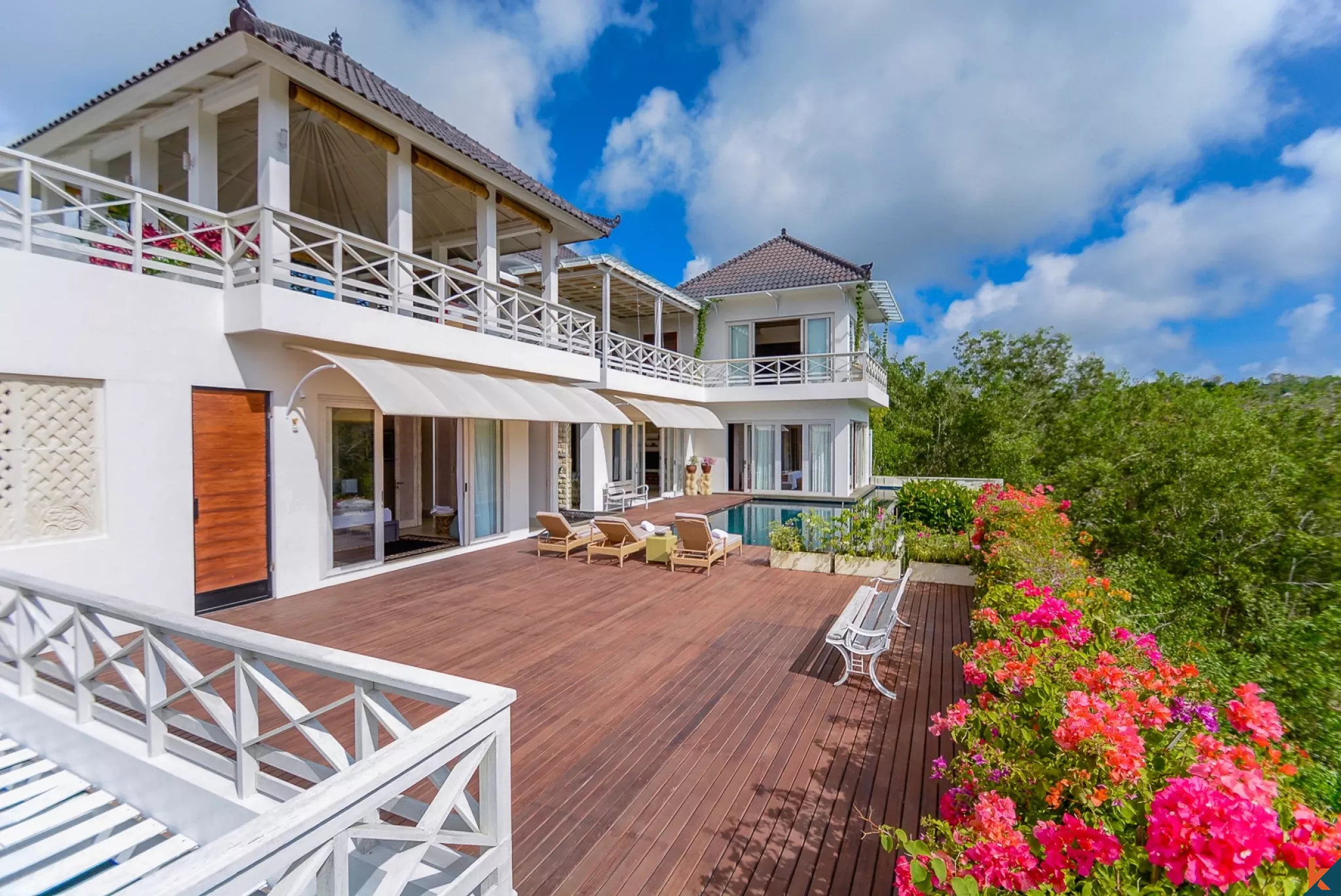
    Jimbaran’s real estate market is well-established, offering a mix of luxury villas and more affordable options. A villa Jimbaran Bali for sale typically ranges from mid-tier to high-end prices, depending on size, location, and amenities. Homes near the beach or with ocean views usually cost more, but they often attract a lot of vacationers. This popularity means they can earn a great income when rented out.

    While growing rapidly, Uluwatu’s property market remains slightly more affordable. The region’s development is ongoing, with new luxury properties emerging. Uluwatu could be ideal if you’re looking for a high-potential investment at a lower entry cost. However, its relative remoteness may appeal less to buyers who value convenience over exclusivity.

    Attractions and Activities

    Jimbaran boasts calm waters and golden beaches, perfect for swimming and family outings. Its famous seafood restaurants, like the ones along Jimbaran Bay, offer memorable dining experiences. Nearby, you’ll find cultural attractions like the Garuda Wisnu Kencana Cultural Park.

    In contrast, Uluwatu is synonymous with breathtaking cliffs and iconic surf spots such as Padang Padang and Bingin Beach. The area is also home to the majestic Uluwatu Temple, a must-visit for its stunning sunsets and traditional Kecak dance performances.
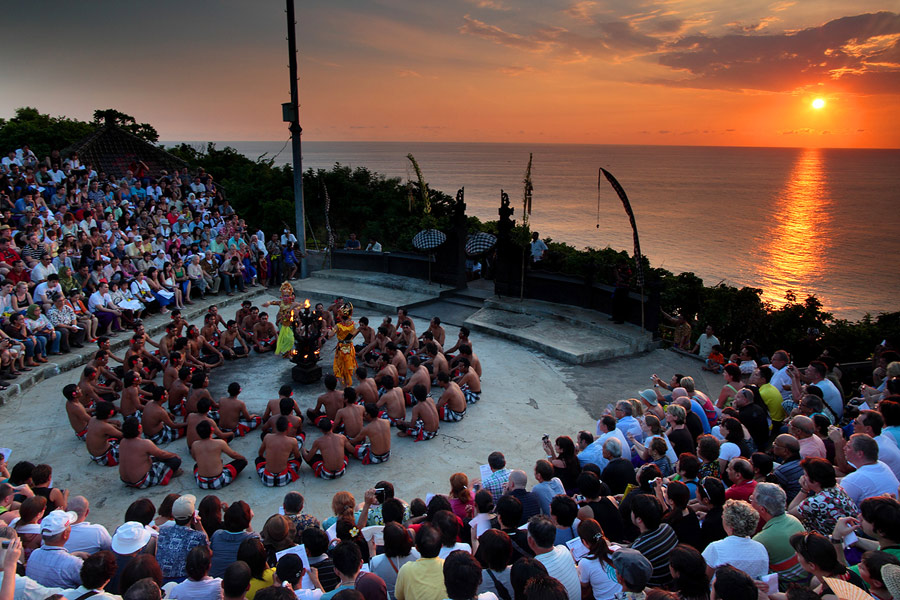
    For those considering a villa Jimbaran Bali for sale, the proximity to practical amenities and family-friendly attractions might seal the deal. Meanwhile, buyers intrigued by Uluwatu’s adventurous charm and untapped potential will find plenty to love there.

    Choosing between Jimbaran and Uluwatu depends on your lifestyle preferences and investment goals. A villa for sale in Jimbaran Bali offers convenience, family-friendly living, and strong rental demand. Conversely, Uluwatu’s rugged beauty and growing appeal make it an exciting option for investors and adventure lovers.

    Both areas have their unique allure, ensuring that your Bali villa will be a rewarding investment no matter your choice.


  • Life Swap: Living as a Local in a Foreign Culture for a Month

    Life Swap: Living as a Local in a Foreign Culture for a Month

    0Shares

    As travel becomes more manageable for everyone, a new trend is growing among people who want more profound experiences with the places they go: life swap. This unique way of traveling lets you live like a local in a different culture for about a month. It’s a chance to immerse yourself fully in a foreign community’s daily life and traditions, making your trip not just a visit but an unforgettable experience. Visitors understand the everyday life, customs, and traditions that define a destination by stepping into residents’ shoes. Here’s how you can embark on a transformative journey beyond sightseeing.

    Why Choose a Life Swap Experience?

    Traditional travel often scratches the surface of a destination, with itineraries packed full of tourist attractions. A life swap, however, offers a unique perspective. It’s about forming genuine connections and learning through experience. Imagine working in a French vineyard, teaching English in a rural Japanese village, or assisting with conservation projects in a Costa Rican community. These experiences foster cultural appreciation, personal growth, and even new skills.

    Life swaps are also an antidote to overtourism. Travelers distribute their economic contributions beyond tourist hotspots and help sustain smaller communities by participating in local life.

    Also, read Most Recommended Exercises To Do As You Age

    How to Plan Your Life Swap

    Choose Your Destination Wisely

    Select a place that resonates with your interests or goals. If you’re passionate about cuisine, consider countries with rich food traditions like Italy or Thailand. For those drawn to nature and sustainability, locations like New Zealand or Norway offer opportunities to engage with eco-friendly communities.

    Research Local Opportunities

    Look for programs or organizations that facilitate immersive stays. Websites like Workaway, Worldpackers, and WWOOF connect travelers with hosts worldwide, offering placements in exchange for volunteer work. Language schools and cultural exchange programs also provide excellent entry points.

    Learn the Basics of the Local Language

    Even a basic understanding of the language can make a big difference. Being able to say hello, ask for directions, or talk about everyday things can make your interactions with others more enjoyable and show that you care about their culture.

    Embrace Adaptability

    A life swap is not a vacation but an opportunity to live authentically. Be prepared for challenges like different living standards, unfamiliar customs, and homesickness. Adapting to these situations is part of the experience and contributes to personal growth.

    Benefits of Living Like a Local

    1. Cultural Immersion: Gain insights into traditions, festivals, and routines that tourists often overlook.
    2. Personal Development: Improve problem-solving skills, adaptability, and cross-cultural communication.
    3. Skill Acquisition: From cooking traditional meals to learning a new craft, you’ll pick up abilities you can take home.
    4. Building Global Friendships: Form bonds with people from diverse backgrounds that can last a lifetime.

    Real-Life Success Stories

    Many travelers have found life swaps to be life-changing. For instance, Sarah, a graphic designer from Australia, spent a month teaching art to children in a small Peruvian village. She improved her Spanish and discovered a passion for education, prompting a career shift. Similarly, a tech consultant, David worked on a Finnish organic farm and learned sustainable farming techniques he now implements in his urban garden.

  • The Quality of Sleep: How Rest Transforms Your Health

    The Quality of Sleep: How Rest Transforms Your Health

    0Shares

    Sleep is more than a nightly ritual; it’s a cornerstone of health that profoundly impacts your mental clarity, weight management, and immune function. Yet, quality sleep often takes a backseat to busy lifestyles and digital distractions. Here’s why rest matters and how to improve your sleep hygiene for better well-being.

    The Role of Sleep in Mental Clarity

    Sleep is essential for cognitive performance. During deep sleep, the brain strengthens memories, organizes information, and eliminates toxins that build up during the day. A lack of rest impairs focus, decision-making, and problem-solving skills, making daily tasks more challenging.

    Research has found that not getting enough sleep can impact a part of the brain known for helping us think clearly and make good choices. When individuals experience persistent sleep issues, it can increase the likelihood of facing mental health challenges, such as depression and anxiety. This highlights the importance of good quality sleep for our overall mental well-being.

    Also, read Most Recommended Exercises To Do As You Age.

    Sleep and Weight Management

    Your nightly rest plays a crucial role in maintaining a healthy weight. Poor sleep disrupts hormones like ghrelin and leptin, which regulate hunger and satiety, increasing appetite and cravings for high-calorie foods. Sleep deprivation also decreases energy levels, making physical activity less appealing and contributing to weight gain.

    Getting a good night’s sleep is important! Sticking to a regular sleep schedule of 7 to 9 hours can help keep your hormones in check, improve your metabolism, and make it easier to maintain a healthy weight. Getting quality sleep is just as important as maintaining a good diet and regular exercise for anyone aiming to achieve their fitness goals.

    Immune Function and Sleep

    The immune system relies on sleep to perform at its best. During rest, the body produces cytokines, proteins that help fight infection, inflammation, and stress. Getting enough sleep helps your body heal and recover, which is important for staying healthy overall.

    Research has demonstrated that individuals who sleep fewer than six hours per night are more susceptible to colds and other illnesses. Prioritizing sleep strengthens the immune system, reducing the likelihood of chronic diseases and improving recovery times.

    Tips for Better Sleep Hygiene

    Improving sleep hygiene is key to achieving restorative rest. Here are practical steps to enhance your sleep quality:

    • Stick to a Schedule: Establish a routine of going to bed and waking up at the same time each day, even on weekends. Consistency reinforces your body’s natural circadian rhythm.
    • Create a Sleep-Inducing Environment: Keep your bedroom dark, quiet, and cool. If necessary, use blackout curtains, white noise machines, or fans.
    • Limit Screen Time Before Bed: Blue light from devices disrupts melatonin production, the hormone that regulates sleep. Avoid screens for at least an hour before bed.
    • Avoid Caffeine and Heavy Meals in the Evening: These factors can disrupt your ability to drift off to sleep. Opt for soothing herbal teas or light snacks if needed.
    • Set a Relaxing Routine: Before bed, engage in calming activities like reading, meditation, or warm baths to signal your body that it’s time to wind down.

  • Handling Tourist Concerns at Pink Beach: Enhancing Facilities for Sustainable Tourism  

    Handling Tourist Concerns at Pink Beach: Enhancing Facilities for Sustainable Tourism  

    0Shares

    Lack of Basic Facilities at Pink Beach  

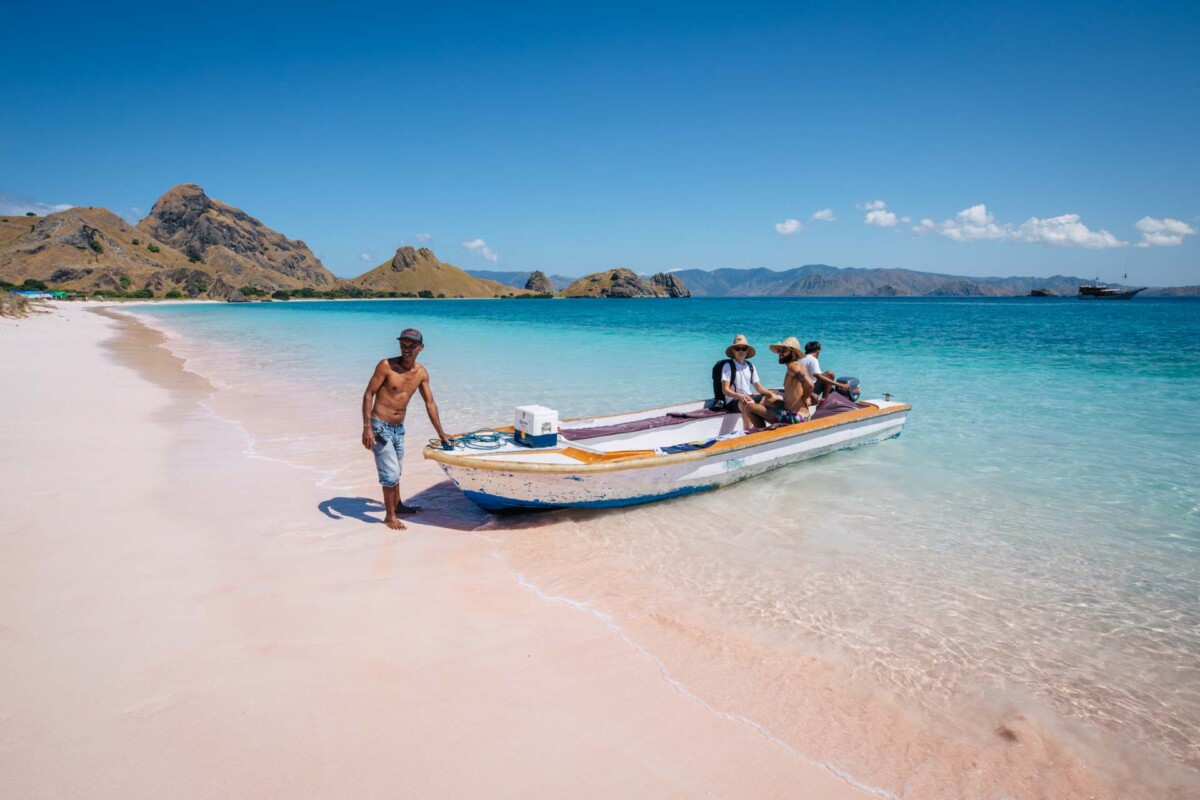
    Pink Beach, located in Labuan Bajo, Indonesia, is becoming popular for travelers because of its breathtaking scenery. However, many visitors have expressed disappointment about the lack of restrooms at the beach. Most people arrive at Pink Beach from a boat charter in Komodo Island. Still, they often find themselves uncomfortable due to lacking basic facilities like toilets. This has raised concerns among tourists hoping for a more convenient experience and sustainable tourism.

    The situation has led to environmental challenges, as many tourists resort to relieving themselves in nearby natural areas. This practice raises health risks and threatens the pristine condition of the beach. As more visitors come each year, often arriving through yacht clubs or private charters, the waste management challenge has grown increasingly pressing. To address these problems, promoting sustainable tourism practices is essential to protect the environment while allowing people to enjoy the area’s beauty.

    Tourism Growth Calls for Infrastructure Improvements  

    Labuan Bajo has become a popular tourist destination known for its stunning panorama and easy access by yacht in Indonesia. However, the number of visitors has increased faster than the number of important facilities at Pink Beach. Tour guides and operators highlight that the absence of restrooms can make the experience less enjoyable for visitors, negatively affecting how people view the area.

    Efforts to address this issue include installing portable toilets and developing eco-friendly permanent restrooms. These solutions aim to accommodate tourists arriving via boat charter Komodo while maintaining the beach’s natural beauty.

    Read more How Komodo Diving Can Damage Coral Reefs and What We Can Do to Prevent It.

    Sustainable Tourism: A Key Priority  

    Local officials, environmental groups, and community members agree that any new developments should focus on sustainability. To protect the ecosystem at Pink Beach, setting up environmentally friendly toilets and proper waste management systems is important. Businesses and the government are working together to create solutions that meet the needs of tourists while also caring for the environment.

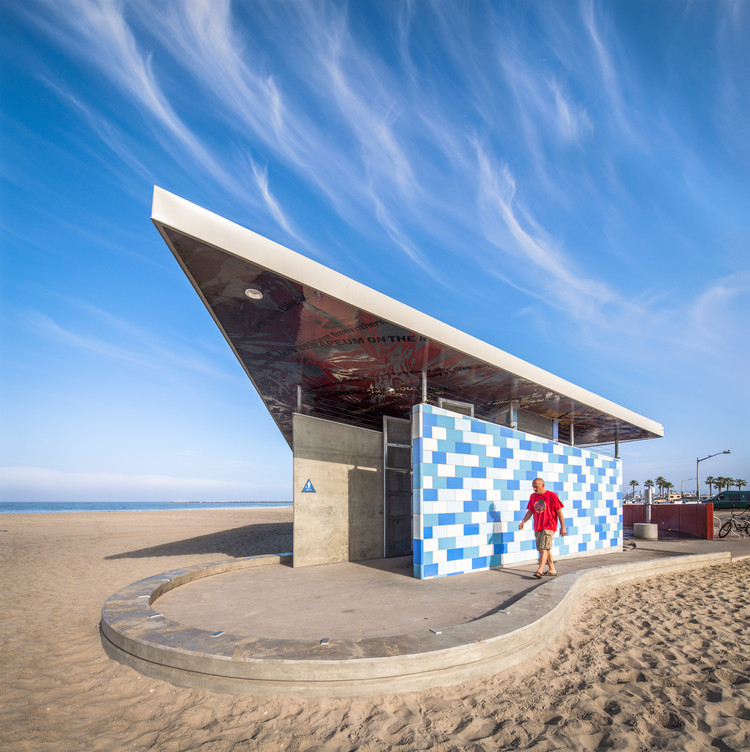
    rest room at pink beach

    Some local businesses charge visitors for restroom facilities, a temporary fix. While this helps visitors in the short term, it highlights the need for more accessible public restrooms so everyone on boat charters to Komodo can have a comfortable experience.

    Striking a Balance Between Tourism and Conservation  

    The case of Pink Beach reflects the broader challenges emerging destinations face in Indonesia. The rapid influx of tourists, many arriving via yacht in Indonesia, necessitates improved infrastructure to support sustainable growth. By proactively addressing these concerns, Labuan Bajo can maintain its appeal as a world-class travel destination.  

    Efforts to resolve these issues at Pink Beach could serve as a model for other destinations striving to achieve harmony between tourism and environmental stewardship.

  • Exploring the Ocean’s Hidden Gems of Indonesia: Beyond Bali

    Exploring the Ocean’s Hidden Gems of Indonesia: Beyond Bali

    0Shares

    When travelers think of Indonesia, Bali often comes to mind as the ultimate tropical destination. However, beyond the shores of this famous island, Indonesia’s vast archipelago offers some of the world’s most spectacular and untouched underwater treasures. Indonesia is a paradise of hidden gems for divers, snorkelers, and ocean lovers. Indonesia, with its 17,000 islands, is home to some of the most diverse marine life in the world. From the world-renowned Raja Ampat to the remote reefs of Wakatobi, some must-visit underwater destinations in Indonesia beyond Bali.

    Raja Ampat: The Crown Jewel of Biodiversity

    Raja Ampat in eastern Indonesia is known for its incredible marine biodiversity, with over 1,500 fish species and 600 types of cIt’s. It’s a top spot for divers and snorkelers, offering crystal-clear waters with excellent visibility. Misool, an island in Raja Ampat, is known for its stunning scenery, secret lagoons, and ancient rock paintings. It’s a great place for people who love taking underwater pictures and those fascinated by marine life.

    Wakatobi: A Diver’s Dream Come True

    Wakatobi, situated in Southeast Sulawesi, is a captivating destination celebrated for its hidden gems – exuberant coral reefs teeming with diverse marine life. The area’s accessible reefs and commitment to sustainability make it perfect for travelers looking to experience the best of Indonesia’s underwater world while supporting eco-friendly tourism.

    Komodo National Park: Beyond the Dragons

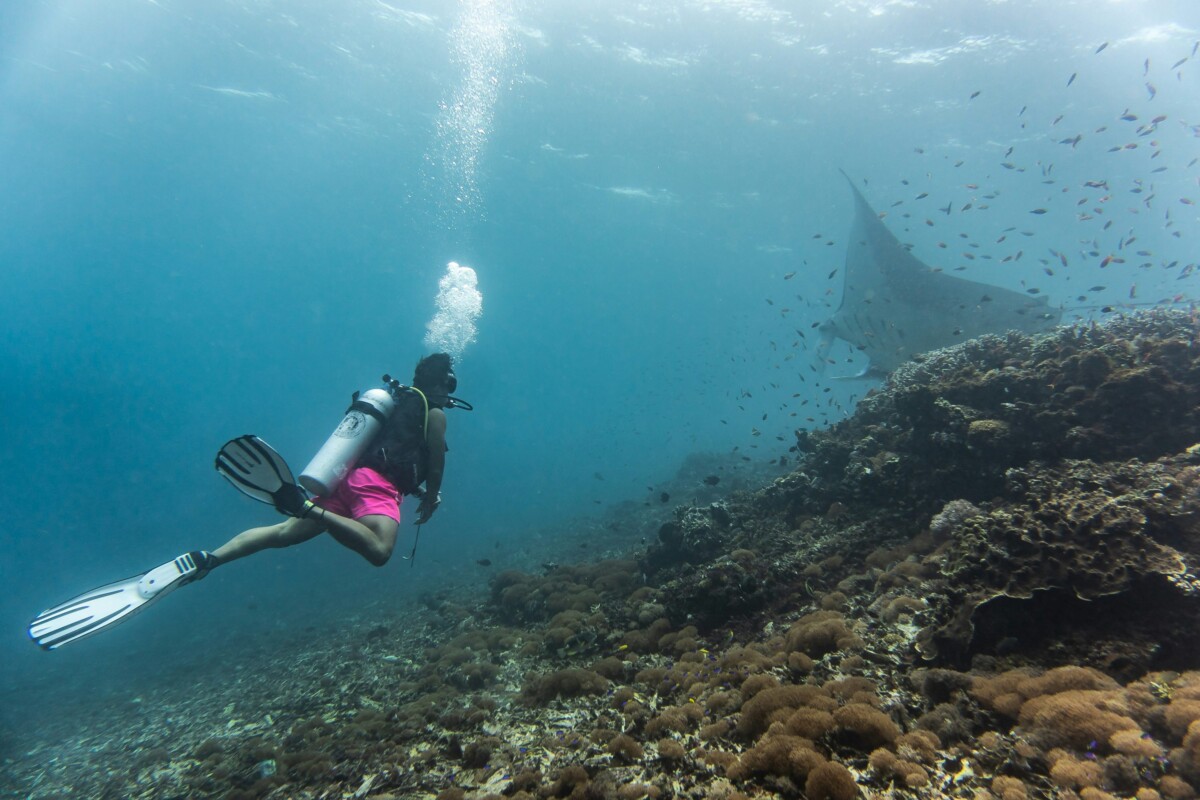
    Komodo National Park is well-known for its giant lizards and fantastic diving opportunities. The park’s waters boast diverse marine environments and strong currents, ideal for spotting manta rays and other large aquatic species. Dive sites like Batu Bolong and Manta Point offer diverse and thrilling underwater landscapes. The park also offers excellent snorkeling opportunities, incredible hikes, and stunning panoramic views.

    Also, read Digital Detox Delight: 5 Destinations to Disconnect and Reconnect in Indonesia.

    Bunaken: A Paradise for Snorkelers and Divers

    Located in North Sulawesi, Bunaken Marine Park is a haven for divers and snorkelers alike. Its steep underwater walls and abundant marine life make it a unique diving destination. Known for its crystal-clear waters, Bunaken offers visibility of up to 40 meters in some areas, providing a perfect environment for underwater exploration.

    What sets Bunaken apart is its easy accessibility for both novice and experienced divers. The shallow reefs are ideal for snorkeling, where you can see colorful coral and fish just a few meters from the surface. For more experienced divers, the walls drop off into the deep blue, offering encounters with sea turtles, reef sharks, and schools of fish.

    Alor: Remote and Untouched Beauty

    For those who crave a more off-the-beaten-path experience, Alor in East Nusa Tenggara is the place to go. This remote island chain is less frequented by tourists, making it an ideal destination for those seeking solitude and unspoiled nature. The incredible biodiversity of the dive sites around Alor is renowned. Vibrant reefs, steep drop-offs, and underwater volcanic activity create unique diving experiences.

    Alor is also famous for its whale and dolphin migrations, offering once-in-a-lifetime encounters with these majestic creatures. The lack of crowds and pristine underwater environment make Alor a true hidden gem in Indonesia’s vast marine landscape.

    Belitung Island: A Paradise of White Sands and Granite Rocks

    Belitung Island, situated in the Java Sea off the east coast of Sumatra, is renowned for its stunning tropical landscapes and pristine beaches. It has lovely white sandy beaches, clear turquoise waters, and huge granite rock formations. Tanjung Tinggi Beach is a highlight, perfect for snorkeling. Nearby, Lengkuas Island is home to a historic lighthouse with panoramic views. Belitung also has a rich cultural history, which is showcased at the Tanjung Pandan Museum. Additionally, the island is filled with hidden gems waiting to be explored, from secluded coves to charming local eateries.

    Togean Islands: Unspoiled Serenity

    For those seeking solitude, the Togean Islands in Central Sulawesi offer an escape from the crowds. You can only reach this group of islands by boat. It has beautiful untouched beaches, clear blue water, and colorful coral reefs. Togean is an ideal destination for divers and snorkelers, with various marine species, including sea turtles and rare islands. The islands are also home to the Bajo people, who live in stilt houses over the water. When visit old villages and spend time with the people who live there; it brings a unique cultural experience to your trip.

  • Beneath the Waves: Uncovering WWII Shipwrecks on a Komodo Boat Tour

    Beneath the Waves: Uncovering WWII Shipwrecks on a Komodo Boat Tour

    0Shares

    The Komodo Islands are famous not only for their iconic dragons, stunning beaches, and vibrant coral reefs but also for the history hidden beneath their waters. If you love history or adventure, a Komodo boat tour is a great way to explore sunken ships from World War II. Divers can discover these hidden treasures beneath the waves. The ancient underwater objects give us a cool look into the past. They mix up history and the awesome marine life in Komodo.

    The Historical Significance of WWII Shipwrecks in Komodo

    During World War II, the waters around Indonesia were critical battlegrounds. Many vessels, including military ships, cargo freighters, and submarines, were sunk during naval confrontations, leaving behind shipwrecks that have become a part of Komodo’s underwater landscape. These wrecks offer a unique attraction on a Komodo boat tour, making it an adventure above water and an exciting journey into history beneath the surface.

    Also read A Day in the Life: What It’s Like on a Komodo Liveaboard.

    What to Expect When Exploring WWII Shipwrecks

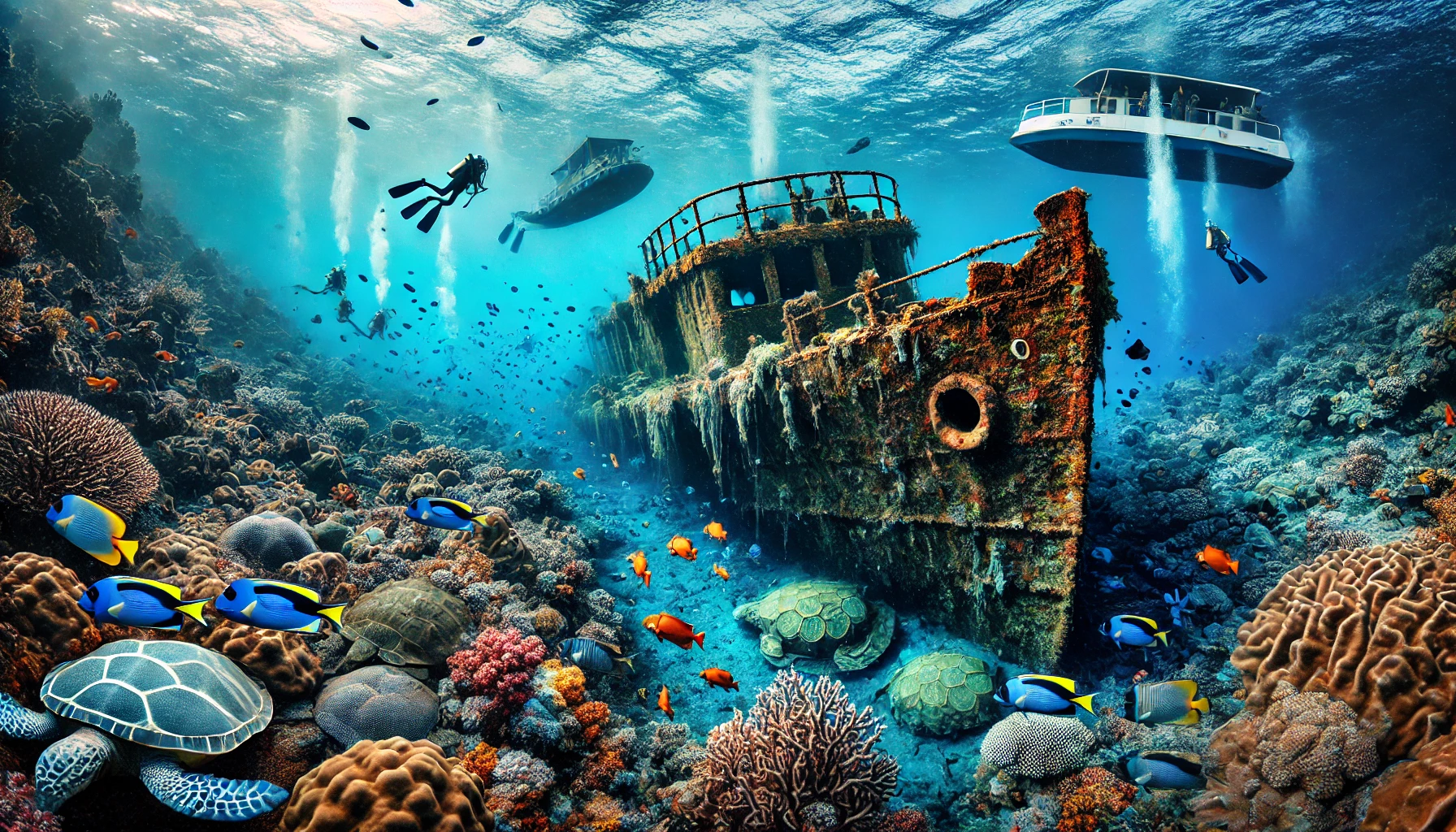
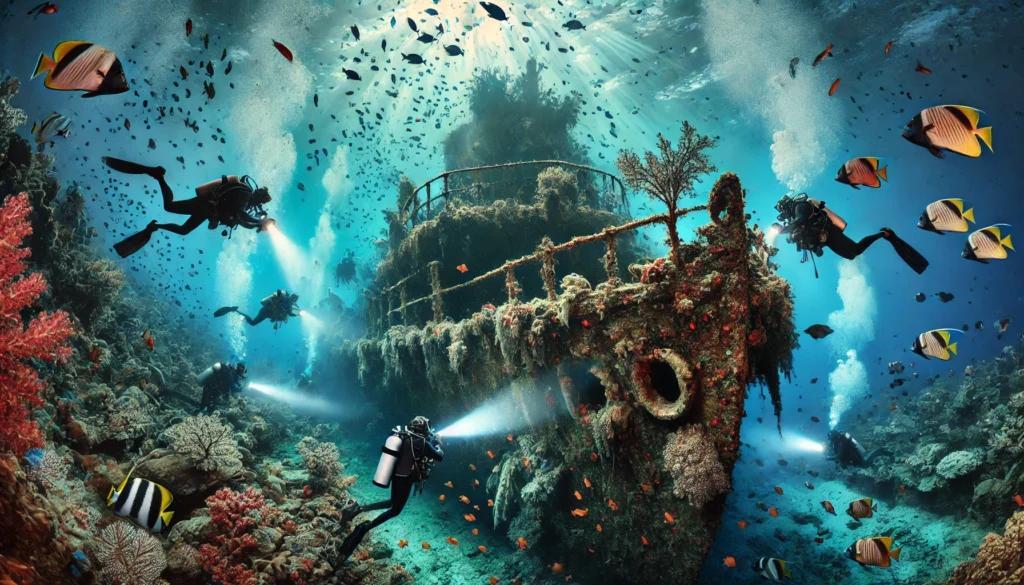
    For divers interested in uncovering these historical treasures, a Komodo boat charter offers exclusive access to some of the best-preserved wrecks in the region. These shipwrecks are often located near thriving coral reefs, allowing divers to experience the eerie beauty of rusting metal and the lively marine ecosystems that have taken over the vessels.

    The USS Liberty is one of the most famous WWII shipwrecks in the Komodo area. In 1942, a US cargo ship was attacked and sunk by a Japanese submarine. While it lies closer to Bali, it is often included in extended Komodo sailing trips, making it a significant stop for those keen on World War II history. The wreck is shallow enough for both beginner and experienced divers to explore, with the ship now home to vibrant corals, colorful fish, and even sea turtles.

    Why Take a Komodo Liveaboard for Wreck Diving?

    One of the best ways to experience wreck diving around Komodo is through a Komodo liveaboard tour. These tours allow divers to spend several days or weeks aboard a boat, maximizing their time underwater. With a liveaboard, you can visit multiple shipwrecks in the area while also exploring Komodo’s rich biodiversity. These multi-day trips offer the added benefit of visiting remote sites that are less accessible on day trips, ensuring a more intimate and immersive experience.

    What to Expect When Exploring WWII Shipwrecks on your Komodo Boat Tour

    WWII wrecks around Komodo vary in depth and condition, but all teem with marine life. Divers may find remnants of the ships’ structures, cargo, and even personal artifacts preserved over time. While diving among these wrecks, the atmosphere is haunting yet awe-inspiring, as the sea has transformed these war relics into beautiful underwater ecosystems.

    Planning Your Komodo Boat Tour

    Booking a Komodo boat charter is ideal for travelers planning to explore the WWII shipwrecks. Many charter companies offer customized itineraries that include wreck diving, making incorporating this unique experience into your trip easy. When planning your Komodo boat tour, choosing a charter that understands the significance of these wrecks and respects the underwater heritage they represent is essential.

    Diving into History and Marine Life

    In addition to the historical significance, WWII shipwrecks have become part of Komodo’s vibrant marine world. These submerged vessels are now artificial reefs, providing shelter for countless fish species, crustaceans, and coral. The combination of history and nature makes a Komodo sailing trip that includes wreck diving an unforgettable experience. Each dive offers a chance to reflect on the past while witnessing the resilience of marine life as it reclaims these sunken vessels.

    A Komodo boat tour offers more than just the chance to see Komodo dragons and beautiful landscapes—it opens the door to exploring a piece of history hidden beneath the waves. For history enthusiasts and adventurous divers, uncovering WWII shipwrecks on a Komodo boat charter adds a layer of intrigue and excitement to any trip. With so many stories preserved underwater, a Komodo liveaboard or boat charter provides an unparalleled opportunity to dive deep into history and the vibrant world beneath the sea.

  • Most Recommended Exercises To Do As You Age

    Most Recommended Exercises To Do As You Age

    0Shares

    Aging is natural and unavoidable. It’s impossible to avoid aging, but you can age healthily. Exercises is a physical activity your body needs because it helps release toxins. Exercise is also good for your mental health; various studies have shown that it can enhance your mood and overall quality of life. 

    Choosing the proper exercise as you age

    You must choose the suitable types of exercises to help promote better health as you age. Some people think that exercise is unsafe for the aging population. However, that’s just a misconception. Exercise is good for aging people to maintain health. By exercising right, you can gain mobility, balance, and strength.

    Light strength exercises

    Functional movements are important for aging people since they are the foundation for maintaining independence and help reduce the risk of injury. Thus, it’s recommended to incorporate light strength exercise that covers essential functional movements. 

    Squatting, for example, is a great exercise to improve mobility and stability. Hinging is also a great exercise to strengthen your lower back and promote flexibility. Pushing helps enhance your upper body strength. Pulling is good for strengthening your back muscles and maintaining posture and balance. Carrying is good for maintaining grip strength, as it’s a common problem often linked to mortality.

    Also, read Tips for Effective Communication While Traveling.

    Moderate cardio

    Aging people can also opt for moderate cardio. Light cardio for young, healthy people may be moderate for aging adults. Hence, make sure you choose the right cardio to get its benefits in injury. 

    Cardio exercises

    Walking is a great option and is considered moderate cardio for aging adults. It promotes good circulation to the overall body and maintains a healthy heartbeat. However, it could be too much for older people with arthritis. For those who have arthritis, water exercise is more recommended, as water can help reduce the force.

    Exercise for maintaining balance

    One of the most common health issues for older adults is balance. Hence, performing activities for short periods is recommended throughout the day. For example, stand on both feet before a counter, then let go of it and see how long you can keep your balance without getting it. You can repeat this simple exercise three to five times a day. Try this exercise with your eyes closed and see if you can maintain your balance.

  • How Komodo Diving Can Damage Coral Reefs and What We Can Do to Prevent It

    How Komodo Diving Can Damage Coral Reefs and What We Can Do to Prevent It

    0Shares

    Komodo Island is renowned for its breathtaking coral reefs, vibrant marine life, and pristine waters, making it a world-class destination for divers. However, with the increasing popularity of Komodo diving, there has been growing concern about the damage caused to these fragile ecosystems. Divers, Komodo liveaboard tours, and the overall rise in tourism have raised questions about the sustainability of Komodo boat trips and the long-term health of the coral reefs. Explores how Komodo diving can negatively impact coral reefs and what measures can be taken to prevent further damage.

    The Beauty of Komodo Island’s Coral Reefs

    Komodo Island, part of Indonesia’s Lesser Sunda Islands, boasts one of the world’s most diverse and rich marine environments. The vibrant coral reefs are home to thousands of fish species, sea turtles, manta rays, and other aquatic creatures, making it a paradise for divers and snorkelers. The stunning underwater landscapes are a significant tourist attraction, with Komodo diving becoming a bucket-list experience for many.

    However, as more visitors embark on Komodo boat trips and liveaboard adventures, the delicate coral reefs are under increasing threat. These ecosystems are susceptible; even minor disturbances can cause long-lasting damage.

    How Komodo Diving Can Damage Coral Reefs

    Physical Damage from Divers

    One of the most direct ways that Komodo diving can harm coral reefs is through physical contact. Even the most experienced divers may accidentally kick or brush against coral with their fins, hands, or equipment. Coral is highly fragile; a single touch can break or kill the living organisms that make up the reef. When thousands of divers visit the same popular dive spots over time, the cumulative effect can devastate the reefs’ health.

    Additionally, poor buoyancy control among inexperienced divers is a significant issue. Divers who cannot maintain proper water control can unintentionally bump into or land on the coral, crushing or dislodging delicate pieces of the reef.

    Also, read A Day in the Life: What It’s Like on a Komodo Liveaboard.

    Anchor Damage from Boats

    The increase in Komodo boat trips and liveaboard tours means more boats are anchoring near dive sites. Unfortunately, anchors can cause significant damage when dropped onto coral reefs. The anchor can crush coral formations, while the chain may drag across the reef, breaking and scraping the coral as it moves with the current. This type of damage is often permanent and can destroy large areas of reef in a short time.

    Pollution from Tourism

    Tourism in Komodo Island has also contributed to pollution in the area. Boats used for Komodo diving tours often release oil, fuel, and other chemicals into the water, harming coral reefs and marine life. Additionally, waste from the boats, such as plastic or food scraps, can pollute the water and disrupt the ecosystem’s natural balance.

    Even sunscreen used by divers and snorkelers can contribute to coral bleaching. Many sunscreens contain chemicals that, when washed into the ocean, harm coral polyps and lead to bleaching, a process in which coral loses its vibrant color and, eventually, its life.

    What We Can Do to Prevent Damage

    Choose Eco-Friendly Komodo Liveaboard Tours

    When booking a Komodo liveaboard or boat trip, choosing operators who prioritize environmental sustainability is essential. Look for companies that follow responsible tourism practices, such as using mooring buoys instead of anchors and educating guests about proper diving etiquette. Many eco-friendly liveaboard operators work closely with conservation groups to minimize their environmental impact and contribute to reef protection efforts.

    Practice Responsible Diving

    Divers can significantly reduce their impact on coral reefs by following simple guidelines. Proper buoyancy control is crucial; before diving, ensure you are confident in maintaining neutral buoyancy throughout the dive. This will allow you to avoid accidental contact with coral.

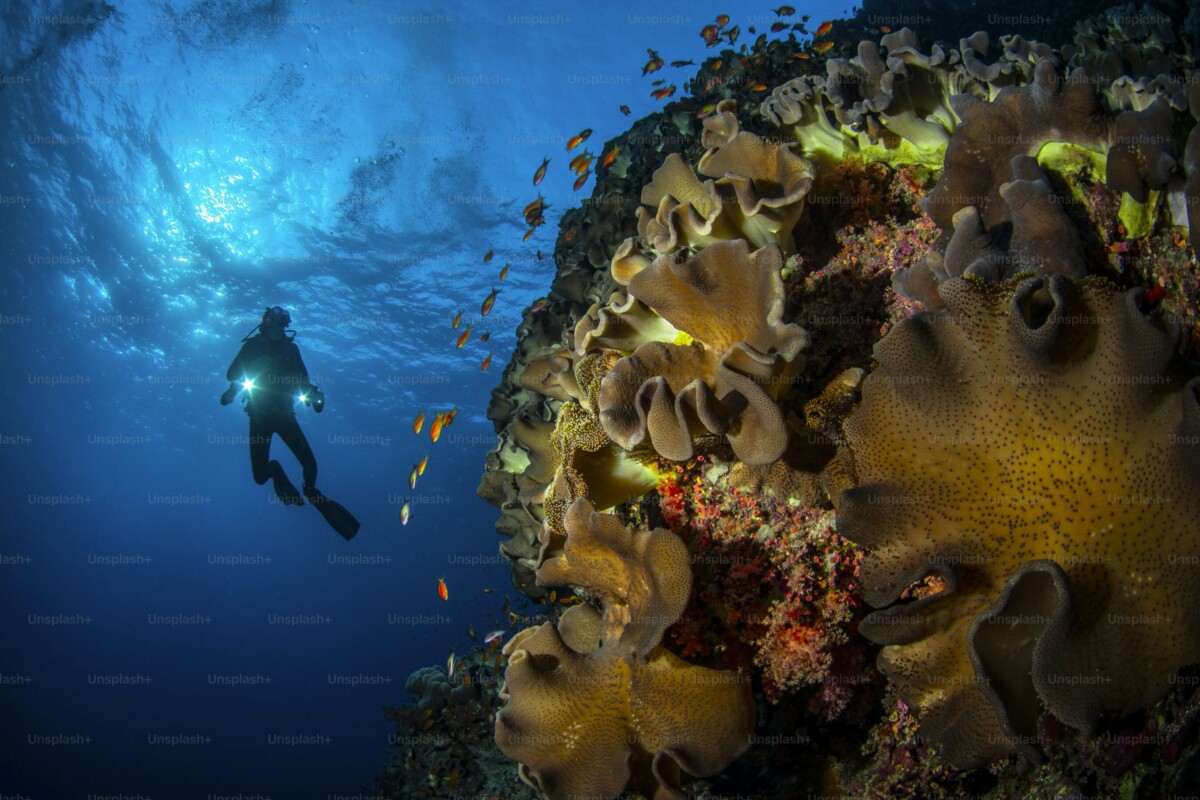
    practice responsibility of Komodo diving

    Avoid touching, kicking, or standing on the reef. If you need to adjust your equipment or rest, avoid the coral. Be mindful of your surroundings and give marine life plenty of space. A hands-off approach is the best way to protect the fragile coral reefs while still enjoying the beauty of Komodo diving.

    Support Conservation Efforts

    Contributing to local conservation initiatives is another way to help protect Komodo Island’s reefs. Many organizations work to restore damaged coral reefs, reduce pollution, and promote sustainable regional tourism. Get involved with these fantastic groups and make a real difference in the future of Komodo’s marine ecosystems. Your donations or volunteer work can help create a positive impact.

    Use Reef-Safe Sunscreen

    To reduce the risk of coral bleaching, opt for reef-safe sunscreen that doesn’t contain harmful chemicals. Look for mineral-based products that are safer for the environment and still provide sun protection.

  • Luxury Lifestyle Hacks: How to Live Elegantly on a Budget

    Luxury Lifestyle Hacks: How to Live Elegantly on a Budget

    0Shares

    Living a luxury lifestyle often conjures images of luxury and extravagance. However, with creativity and mindful spending, embracing elegance without emptying your wallet is possible. Discover easy and practical tips and strategies to take your lifestyle to the next level without breaking the bank.

    1. Define Your Luxury

    Before embarking on your journey to a more luxurious lifestyle, take a moment to define what luxury means to you. Is it designer clothes, gourmet dining, or exclusive travel experiences? Get clear on what’s most important to you so that you can make the most of your resources.

    2. Prioritize and Budget Wisely

    Creating a budget is crucial for any lifestyle transformation. Prioritize your expenses, ensuring that your luxury goals align with your financial capabilities. Consider using budgeting apps or spreadsheets to track your income and spending.

    3. Embrace Secondhand Finds

    Explore thrift stores, consignment shops, and online marketplaces for hidden gems. Luxury brands often offer pre-owned items at a fraction of the retail price. By keeping an eye out and being patient, you can find one-of-a-kind items to add to your wardrobe without spending a fortune.

    4. Cultivate DIY Skills

    Learning DIY skills can save money and add a personal touch to your lifestyle. From home decor to cooking, mastering these skills can create a luxurious ambiance without the hefty price tag.

    5. Experience Over Ownership

    Sometimes, the experience is more valuable than the possession. Instead of owning expensive items, consider renting or sharing. This applies to everything from cars and apartments to designer clothing and luxury experiences.

    6. Mindful Consumption

    Invest in quality over quantity. Choose durable, timeless pieces that will last longer. Opt for sustainable and ethical brands that align with your values.

    7. Explore Free or Low-Cost Activities

    Discover the joys of free or low-cost activities in your city. Explore parks, museums, and cultural events that enrich your life without draining your wallet.

    8. Prioritize Experiences

    Invest in experiences rather than material possessions. Travel, attend concerts, or take cooking classes. These memories will last a lifetime and provide greater satisfaction than tangible items.

    9. Create a Luxurious Home Environment

    Transform your living space into a sanctuary of comfort and style. Incorporate fresh flowers, soft lighting, and cozy textiles to create a luxurious ambiance.

    10. Practice Mindfulness and Gratitude

    Try to be thankful for what you have. Mindfulness can help you enjoy life’s little joys and decrease your longing for material things.

    Living a luxurious lifestyle doesn’t have to be synonymous with excessive spending. By following these tips, you can elevate your daily experiences, create a beautiful living environment, and embrace a more fulfilling way of life. Remember, true luxury lies in appreciating the simple joys and finding contentment in the journey.

  • A Day in the Life: What It’s Like on a Komodo Liveaboard

    0Shares

    Picture yourself waking up to the soothing sway of the sea, enveloped by pristine, azure waters and stunning vistas right outside your cabin. This is the essence of a day aboard a Komodo liveaboard. This exhilarating journey beckons you to discover the spectacular natural marvels of Komodo Island at every turn.

    Morning: Rise with the Sun

    The day begins early on a Komodo liveaboard. As the first rays of sunlight brighten the horizon, you’re gently awakened by the soft lapping of waves against the hull. The crew prepares a delightful breakfast for you to enjoy on the deck, surrounded by panoramic views of the islands.

    Rise the sun on Komodo liveaboard

    After breakfast, it’s time to gear up for the first adventure of the day. The calm morning waters are perfect for a snorkeling session, where you’ll discover vibrant coral gardens teeming with marine life. If you’re an experienced diver, this is also the ideal time to descend into the depths and explore some of Komodo’s world-renowned dive sites. Immerse yourself in the enchanting underwater world, where vibrant fish, graceful manta rays, and the occasional reef shark create a genuinely mesmerizing spectacle.

    Midday: Exploring Komodo Island

    As the boat anchors near Komodo Island, the excitement builds for the main highlight of the day—a visit to see the famous Komodo dragons. These ancient reptiles are the most giant lizards in the world and are found nowhere else on Earth. A guided trek through the island’s rugged terrain offers the chance to observe these incredible creatures in their natural habitat.

    During the walk, you’ll have the chance to discover the island’s unique plants and animals with our friendly guide. Watch out for deer, wild boars, and many different bird species that live on the island.

    After the trek, you return to the Komodo liveaboard for a well-deserved lunch. The onboard chef prepares a sumptuous meal, often featuring fresh, locally sourced ingredients. As you dine, the boat begins to sail towards the next destination, offering a perfect moment to relax and reflect on the morning’s adventures.

    Also, read Ultimate Guide to Komodo Island Tour and Volcano Trekking Adventures.

    Afternoon: Sailing to Secluded Spots

    The afternoon is dedicated to more exploration, often involving a Komodo boat trip to some of the area’s lesser-known spots. One of the highlights of a Komodo sailing trip is its flexibility—you can visit remote beaches, hidden coves, and small uninhabited islands only accessible by boat.

    Whether sunbathe on the deck, swim in the turquoise waters, or take a kayak out for a paddle. The afternoon is all about enjoying the serenity of the surroundings. For those interested in marine life, another dive or snorkel session is typically on the agenda. It allows you to experience the diverse underwater ecosystems that make this region unique.

    Evening: Sunset and Stargazing

    As the day ends, our Komodo liveaboard prepares for a fantastic sunset. The sky turns into a beautiful orange, pink, and purple canvas, casting a warm glow over the islands and the water. It’s the perfect time to relax with a drink, share stories with fellow travelers, and reflect on the day’s adventures.

    Stargazing at the deck boat on Komodo liveaboard

    A delightful dinner served on deck under a sparkling blanket of stars, accompanied by the soothing melody of the ocean, is a simply magical experience. The night sky in this remote part of the world is apparent, offering a breathtaking view of the stars and, if you’re lucky, the Milky Way.

    Hey there! If you’re up for it, you can experience the magic of night dives to see the underwater world in a new light. Nothing beats lounging on the deck, gazing at the stars, and feeling completely peaceful.

    Night: Drift into Sleep

    As the boat gently rocks, you retire to your cozy cabin, ready to sleep. Today, we’ve experienced unforgettable moments, from the amazing landscapes of Komodo Island to the vibrant marine life below the waves. Each day on a Komodo liveaboard is a new adventure, promising a unique blend of exploration, relaxation, and wonder.

    In the morning, you’ll wake up to a new destination and another day of discovery. Whether it’s your first time going on a Komodo boat trip or you’re a seasoned traveler. The experience is always enchanting, creating memories that will stay with you forever.