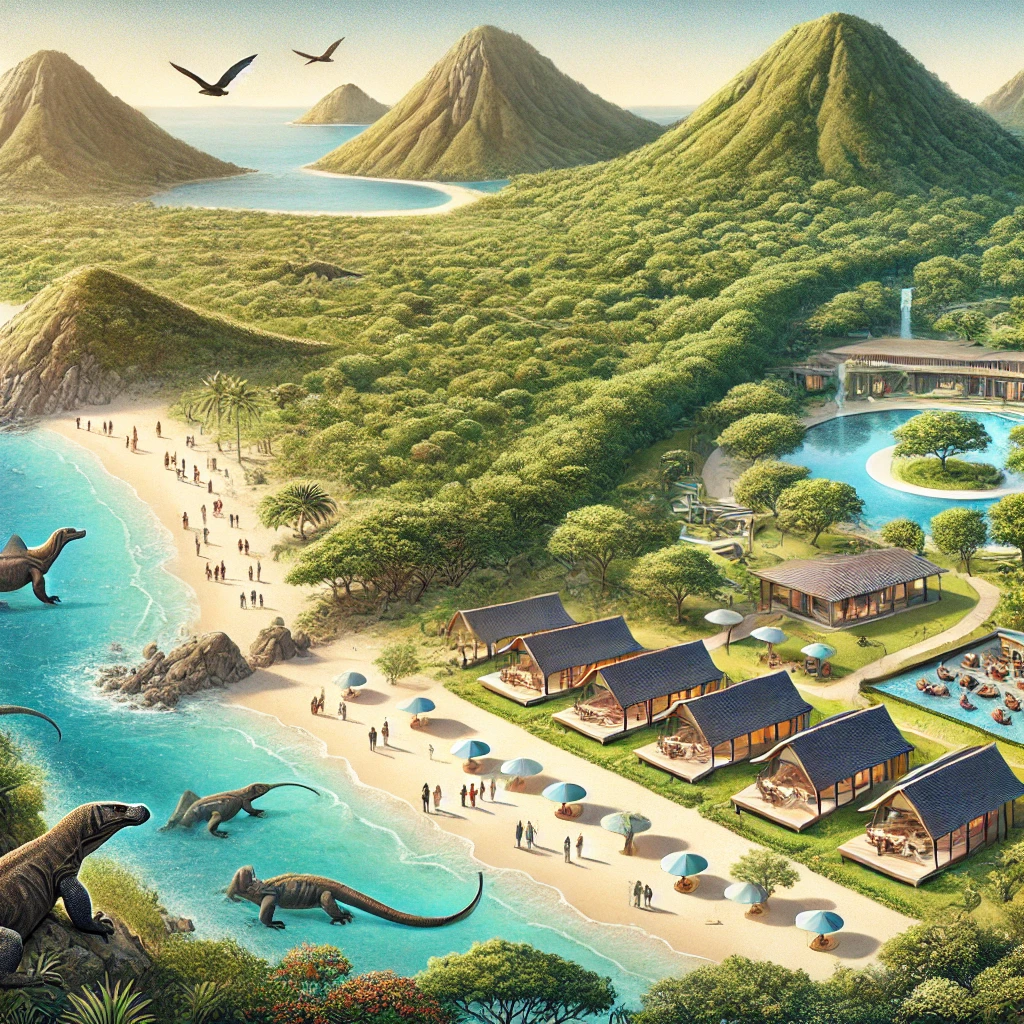
Komodo Island, part of the Komodo National Park in Indonesia, is famous for its unique inhabitants—the Komodo dragons. These ancient reptiles, often called the last remaining dinosaurs on Earth, have drawn visitors worldwide. Recently, a controversial proposal has emerged to create a “Jurassic Park”-“-style attraction in Komodo National Park, raising questions about the balance between conservation and tourism.
The Proposal: Turning Komodo Island into a Jurassic Park
The idea of turning Komodo National Park into a “Jurassic Park” is not new. Still, it has gained renewed attention in recent years. The concept is to create a more immersive experience for visitors, similar to the fictional theme park in the popular movie franchise. The proposed attraction involves enhancing existing facilities, introducing new exhibits, and creating controlled environments for observing wildlife up close.
Supporters of this concept contend that it can potentially drive Komodo island tourism and produce substantial income for the local economy. They believe more visitors would be drawn to the island by creating a more attractive and engaging experience, benefiting the surrounding communities. This revenue could then be reinvested into conservation efforts, helping to preserve the natural habitat and protect the Komodo dragons.
Read Also, Eco-Tourism Adventures: Komodo Island from an American Perspective
Conservation Concerns: The Impact on Komodo Dragons
The proposal has encountered strong resistance from conservationists and environmentalists. Komodo National Park area is a fragile ecosystem, home to the Komodo dragons and various other unique species. Critics argue that increasing the number of visitors and introducing more commercial activities could harm the island’s wildlife.
The Komodo dragons, in particular, are sensitive to environmental changes. Increased human presence could disrupt their natural behavior, leading to stress and potentially harming their population. Moreover, constructing new facilities and infrastructure could damage the island’s delicate ecosystems, threatening the survival of the dragons and other species that inhabit the area.
Conservationists argue that the focus should be on protecting the natural environment rather than turning it into a commercial attraction. They believe the primary goal should be to ensure the long-term survival of the island’s Komodo dragons and other wildlife rather than prioritizing short-term economic gains.
Balancing Tourism and Conservation: Is It Possible?
The debate over the “Jurassic Park” proposal on Komodo National Park highlights a broader issue that many natural sites face: balancing tourism with conservation. Tourism can support conservation efforts and strain the environments it aims to protect.
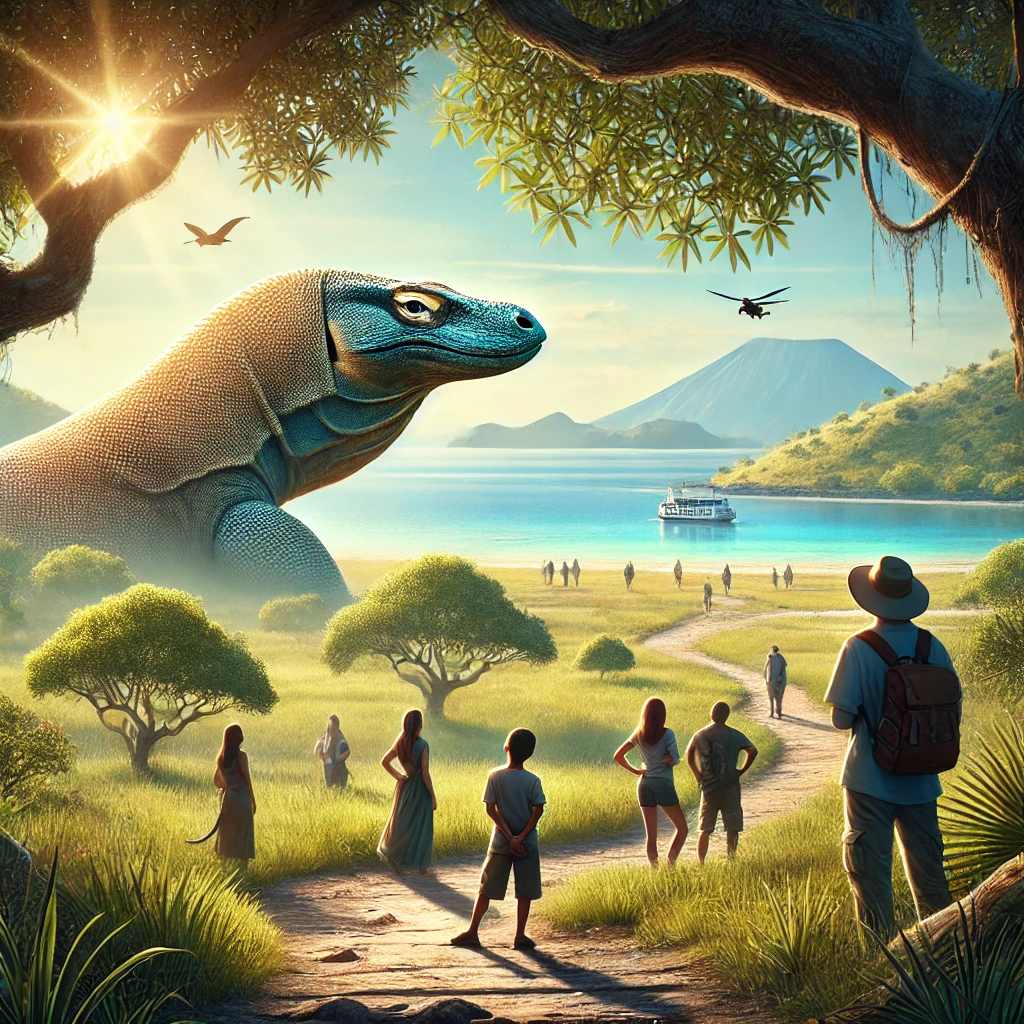
Some experts suggest that a compromise could be found. They propose enhancing the existing visitor experience sustainably and respectfully. This could include improving educational programs, offering guided tours focusing on conservation, and limiting the number of visitors to prevent overcrowding.
A more sustainable approach is necessary to maintain Komodo Island’s tourist attraction while preserving its unique ecosystems. However, this would require careful planning and prioritizing conservation over short-term profits.
The Role of Local Communities: Involving Stakeholders in the Decision
One key aspect of the debate is the role of local communities in the decision-making process. The people living on and around Komodo National Park are deeply connected to the land and its wildlife. Many rely on tourism for their livelihoods but are also concerned about the long-term impact of increased commercialization on their environment.
It’s crucial to involve local communities in the conversation to develop a solution that benefits everyone. Their expertise and familiarity can offer critical perspectives on overseeing the island’s resources sustainably. Involving locals in decisions ensures development benefits the environment and community.
There is also the question of who would benefit from the revenue generated by the proposed “Jurassic Park.” To garner support from the island residents, it’s essential to reinvest a substantial part of the profits back into the local community and conservation efforts.
The Future of Komodo Island: What Lies Ahead?
As the debate continues, the future of Komodo National Park remains uncertain. Creating a “Jurassic Park” on the island is a proposal. Still, it has sparked a broader conversation about the challenges of balancing tourism and conservation. The result of this debate may have far-reaching implications for Komodo Island and other natural areas facing similar challenges.
Ultimately, the choice will revolve around safeguarding the island’s exceptional wildlife and cultivating sustainable tourism. Whether or not the “Jurassic Park” concept becomes a reality, one thing is clear: the natural beauty and biodiversity of Komodo National Park must be preserved for future generations to enjoy. The challenge is to achieve this while supporting the local economy and providing an unforgettable experience for visitors.