Category: récréation

  • Hotels in Nusa Dua Prepares for Nyepi and Eid al-Fitr Amid Bali’s Electricity Readiness.

    Hotels in Nusa Dua Prepares for Nyepi and Eid al-Fitr Amid Bali’s Electricity Readiness.

    As the sacred Nyepi Day and the festive Eid al-Fitr approach, hotels in Bali—especially those in prime locations like Nusa Dua—prepare to ensure a seamless guest experience. One major factor contributing to this smooth operation is PT PLN (Persero) ‘s proactive measure to secure Bali’s electricity supply throughout the holiday season.

    PLN Bali Deploys 1,058 Personnel to Safeguard Power Supply

    In anticipation of Nyepi (the Balinese Day of Silence) on March 11 and Eid al-Fitr in April, PLN Bali has placed 1,058 personnel on standby to ensure uninterrupted electricity service across the island. The team comprises strategically stationed technicians, operators, and supervisors across key locations. Including tourist hubs like Nusa Dua, where many international and domestic travelers stay during the holiday season.

    The general manager of the PLN Main Unit for Bali, I Wayan Udayana, explained that this effort is part of the company’s commitment to delivering reliable electricity and prioritising the community’s and visiting tourists’ safety. “We are working to ensure that Bali remains conducive during both Nyepi and Eid celebrations, without compromising the comfort of residents or visitors,” he said.

    Also read How ITDC Leverages International Music Festivals to Boost Low Season at 5-Star Hotel in Nusa Dua

    135 EV Charging Stations Ready Across the Island

    With the growing adoption of electric vehicles, especially among eco-conscious travellers. PLN has also readied 135 EV charging stations (SPKLU) throughout Bali. These stations are strategically placed near major tourist areas, including the Nusa Dua area, ensuring hotel guests who rent or own electric vehicles can recharge conveniently.

    135 EV Charging Stations Ready Across the Island

    This infrastructure supports Bali’s push toward green tourism. It makes catering to environmentally aware guests easier for hotels in Nusa Dua and elsewhere.

    Ensuring Power Reliability for Hotels in Nusa Dua and Beyond

    Hotels in Bali rely heavily on a consistent electricity supply, especially during peak travel periods like Nyepi and Eid al-Fitr. Uninterrupted power is essential for everything from air conditioning and kitchen operations to lighting and guest services. Properties in the upscale Nusa Dua area, known for hosting international conferences and luxury travelers, particularly benefit from PLN’s strategic readiness.

    Udayana emphasised that PLN conducted thorough inspections and simulations ahead of time to ensure that all systems function optimally during these critical days. Backup generators and emergency response protocols have also been checked and prepared.

    Focus on Safety, Spirituality, and Comfort

    Nyepi, a day when the island falls completely silent, requires special electricity management. At the same time, most public lighting and activities are shut down to honour the tradition. Vital facilities such as hospitals and hotels remain powered. PLN’s team is trained to ensure minimal disruption during this sacred day. Allowing tourists to experience Bali’s unique cultural tradition comfortably and respectfully.

    For Eid al-Fitr, typically marked by a surge in local travel and hospitality activities, PLN’s preparations help ensure that celebratory moments—like family dinners or hotel events—go uninterrupted.

    PLN Bali’s proactive holiday power preparedness enhances safety and comfort for visitors during Nyepi and Eid al-Fitr in Nusa Dua. This commitment reinforces Bali’s status as a premier travel destination.

  • The Debate Over a “Jurassic Park” on Komodo Island: Balancing Conservation and Tourism

    The Debate Over a “Jurassic Park” on Komodo Island: Balancing Conservation and Tourism

    Komodo Island, part of the Komodo National Park in Indonesia, is famous for its unique inhabitants—the Komodo dragons. These ancient reptiles, often called the last remaining dinosaurs on Earth, have drawn visitors worldwide. Recently, a controversial proposal has emerged to create a “Jurassic Park”-“-style attraction in Komodo National Park, raising questions about the balance between conservation and tourism.

    The Proposal: Turning Komodo Island into a Jurassic Park

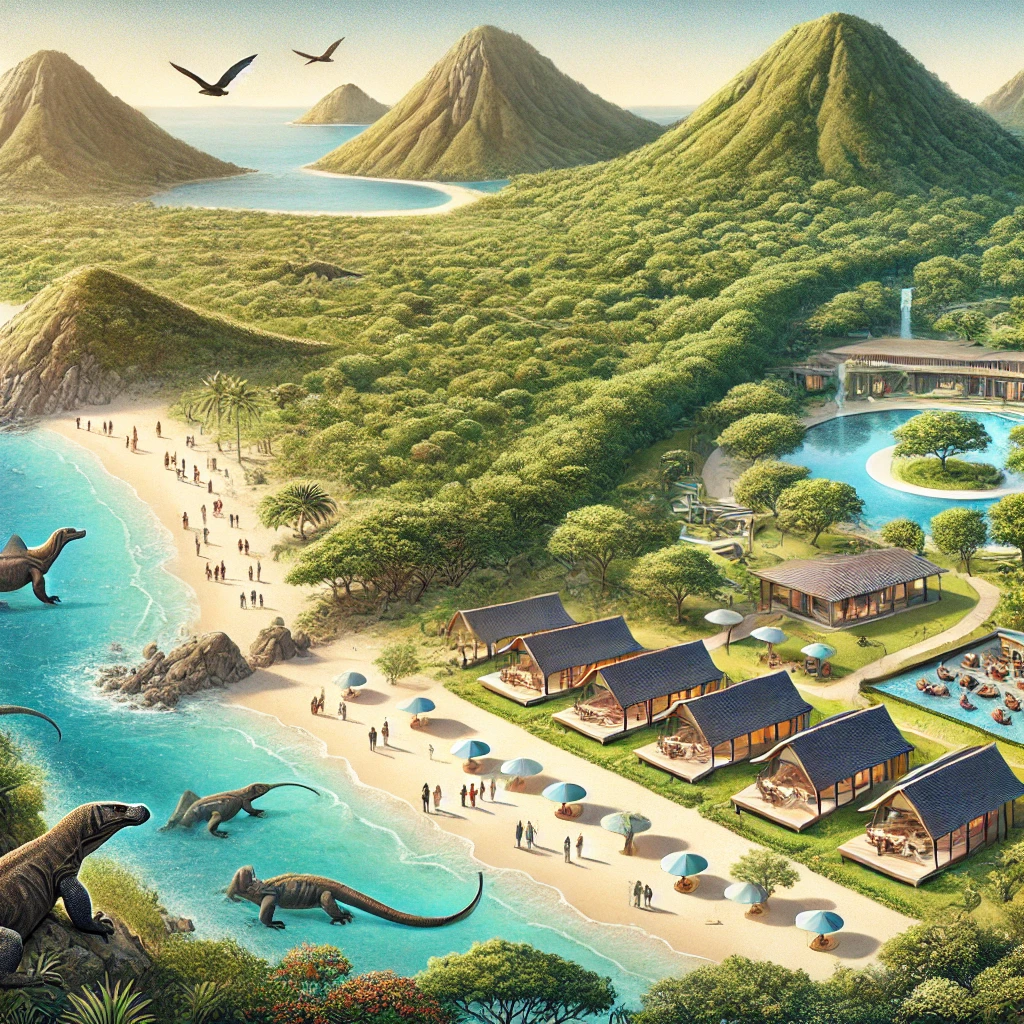
    The idea of turning Komodo National Park into a “Jurassic Park” is not new. Still, it has gained renewed attention in recent years. The concept is to create a more immersive experience for visitors, similar to the fictional theme park in the popular movie franchise. The proposed attraction involves enhancing existing facilities, introducing new exhibits, and creating controlled environments for observing wildlife up close.

    Supporters of this concept contend that it can potentially drive Komodo island tourism and produce substantial income for the local economy. They believe more visitors would be drawn to the island by creating a more attractive and engaging experience, benefiting the surrounding communities. This revenue could then be reinvested into conservation efforts, helping to preserve the natural habitat and protect the Komodo dragons.

    Read Also, Eco-Tourism Adventures: Komodo Island from an American Perspective

    Conservation Concerns: The Impact on Komodo Dragons

    The proposal has encountered strong resistance from conservationists and environmentalists. Komodo National Park area is a fragile ecosystem, home to the Komodo dragons and various other unique species. Critics argue that increasing the number of visitors and introducing more commercial activities could harm the island’s wildlife.

    The Komodo dragons, in particular, are sensitive to environmental changes. Increased human presence could disrupt their natural behavior, leading to stress and potentially harming their population. Moreover, constructing new facilities and infrastructure could damage the island’s delicate ecosystems, threatening the survival of the dragons and other species that inhabit the area.

    Conservationists argue that the focus should be on protecting the natural environment rather than turning it into a commercial attraction. They believe the primary goal should be to ensure the long-term survival of the island’s Komodo dragons and other wildlife rather than prioritizing short-term economic gains.

    Balancing Tourism and Conservation: Is It Possible?

    The debate over the “Jurassic Park” proposal on Komodo National Park highlights a broader issue that many natural sites face: balancing tourism with conservation. Tourism can support conservation efforts and strain the environments it aims to protect.

    Balancing Tourism and Conservation in Komodo Island

    Some experts suggest that a compromise could be found. They propose enhancing the existing visitor experience sustainably and respectfully. This could include improving educational programs, offering guided tours focusing on conservation, and limiting the number of visitors to prevent overcrowding.

    A more sustainable approach is necessary to maintain Komodo Island’s tourist attraction while preserving its unique ecosystems. However, this would require careful planning and prioritizing conservation over short-term profits.

    The Role of Local Communities: Involving Stakeholders in the Decision

    One key aspect of the debate is the role of local communities in the decision-making process. The people living on and around Komodo National Park are deeply connected to the land and its wildlife. Many rely on tourism for their livelihoods but are also concerned about the long-term impact of increased commercialization on their environment.

    It’s crucial to involve local communities in the conversation to develop a solution that benefits everyone. Their expertise and familiarity can offer critical perspectives on overseeing the island’s resources sustainably. Involving locals in decisions ensures development benefits the environment and community.

    There is also the question of who would benefit from the revenue generated by the proposed “Jurassic Park.” To garner support from the island residents, it’s essential to reinvest a substantial part of the profits back into the local community and conservation efforts.

    The Future of Komodo Island: What Lies Ahead?

    As the debate continues, the future of Komodo National Park remains uncertain. Creating a “Jurassic Park” on the island is a proposal. Still, it has sparked a broader conversation about the challenges of balancing tourism and conservation. The result of this debate may have far-reaching implications for Komodo Island and other natural areas facing similar challenges.

    Ultimately, the choice will revolve around safeguarding the island’s exceptional wildlife and cultivating sustainable tourism. Whether or not the “Jurassic Park” concept becomes a reality, one thing is clear: the natural beauty and biodiversity of Komodo National Park must be preserved for future generations to enjoy. The challenge is to achieve this while supporting the local economy and providing an unforgettable experience for visitors.

  • Digital Detox Delight: 5 Destinations to Disconnect and Reconnect in Indonesia

    Digital Detox Delight: 5 Destinations to Disconnect and Reconnect in Indonesia

    Indonesia, a sprawling archipelago boasting vibrant cultures, volcanic landscapes, and idyllic beaches, isn’t just a feast for the senses and an invitation to disconnect from the digital world and reconnect with yourself. With the constant barrage of notifications and the pressure to stay connected, a digital detox can feel revolutionary. Here are 5 incredible destinations in Indonesia, meticulously chosen by a travel writer yearning for a break from the digital noise, that will help you unplug, unwind, and rediscover the simple joys of being present:

    Raja Ampat, West Papua

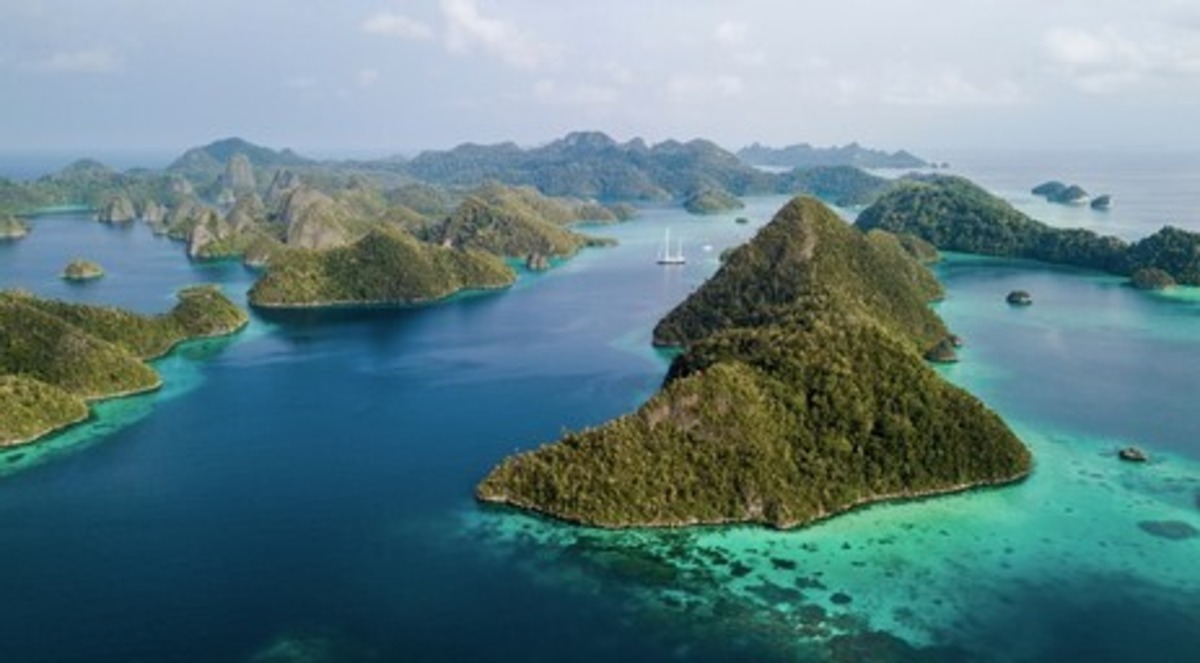
    Imagine waking up to the gentle lapping of turquoise waves against your stilted overwater bungalow. Raja Ampat comprises over 1,500 islands and has a lot more to offer. Disconnect from the grid and immerse yourself in the unparalleled beauty of the Coral Triangle. Discover colorful coral reefs filled with diverse marine creatures, paddle through secluded lagoons, or hike amidst lush rainforests featuring exotic bird species. Here, the rhythm of nature replaces the relentless ping of your phone.

    Tanjung Puting National Park, Central Kalimantan

    Deep within the emerald embrace of Borneo Island lies Tanjung Puting National Park, a haven for orangutans and a sanctuary for tranquility. Trade your social media feed for the thrill of spotting these majestic primates in their natural habitat. Navigate the meandering Sekonyer River on a traditional klotok (wooden houseboat). The gentle hum of the engine was the only sound competing with the symphony of the jungle. Reconnect with the natural world and rediscover the simple beauty of unfiltered moments.

    Read also, Best Road Trips and Itineraries for Your Next Adventure in Indonesia.

    Wakatobi National Park, Southeast Sulawesi

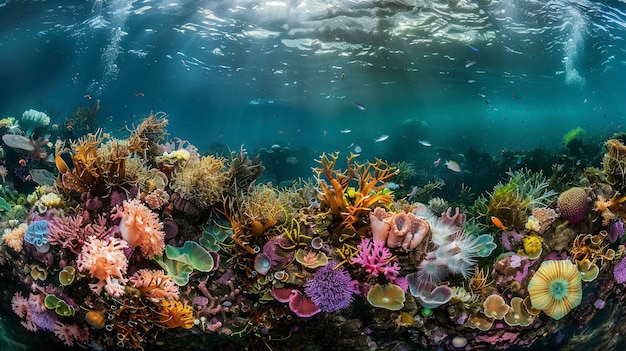
    Dive into a world of serenity beneath the waves in Wakatobi National Park. Often called the “underwater paradise,” this marine reserve boasts unparalleled biodiversity. Your phone signal vanishes as you descend, replaced by colorful fish dancing and the profound silence of the deep. Disconnect from the digital world and reconnect with the awe-inspiring beauty of the underwater realm.

    Wakatobi destination for digital detox

    Desa Wisata Wae Rebo, East Nusa Tenggara

    Nestled amidst the misty mountains of Flores Island lies Desa Wisata Wae Rebo, a traditional village untouched by the modern world. Explore the vibrant cultural legacy of the Manggarai people. Participate in ancient ceremonies, learn about their unique architecture featuring cone-shaped houses called “Mbaru Niang,” and witness breathtaking sunrises that paint the sky in fiery hues. Disconnect from the digital world and reconnect with the warmth of genuine human connection.

    Baluran National Park, East Java

    Escape the crowds and discover the hidden gem of Baluran National Park. Frequently overlooked in favor of its more renowned counterpart, Mount Bromo, Baluran provides a peaceful retreat for self-reflection and immersing oneself in nature. Hike through savannah grasslands teeming with wildlife, climb Mount Baluran for panoramic views, or relax on pristine beaches with crashing waves as your soundtrack. Disconnect from the digital world and reconnect with the restorative power of nature’s silence.

    These five destinations offer a digital detox escape tailored to different preferences. Whether you seek underwater adventures, cultural immersion, or a connection with nature. Indonesia provides the perfect backdrop to unplug, unwind, and rediscover the simple joys of being present. Remember, the most enriching experiences often lie beyond the screen, waiting to be discovered with a curious mind and an open heart. Get ready for an exciting trip to Indonesia, where you can unplug and enjoy a rejuvenating digital detox adventure. Remember to pack your bags, leave your charger at home, and get ready to explore the beautiful destinations.

  • Navigating Nature: Tips for a Successful Expedition

    Navigating Nature: Tips for a Successful Expedition

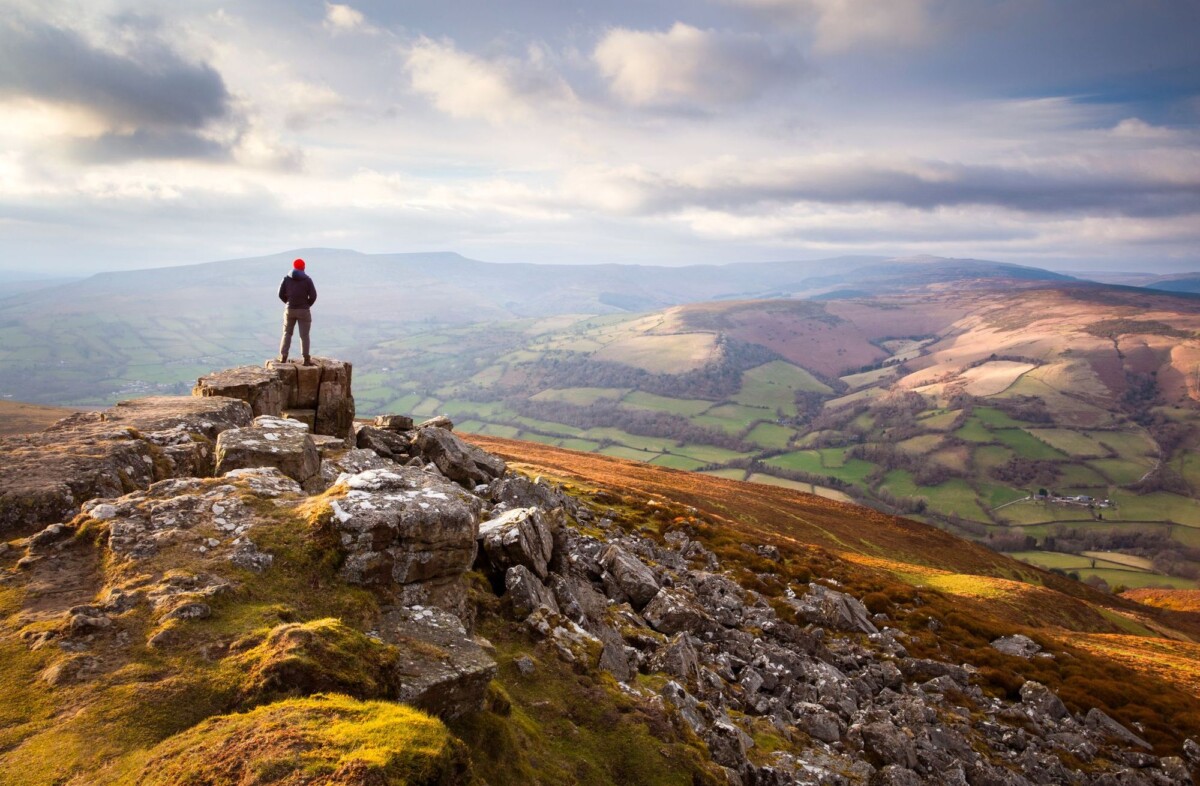
    The call of the wild whispers to a certain breed of adventurer. Whether scaling a snow-capped peak, traversing a verdant jungle, or forging through a desolate desert, expedition offer a chance to test our limits, forge a connection with nature, and return with experiences that etch themselves onto our souls.

    However, venturing into the untamed embrace of the wilderness demands respect and preparation. Lack of planning can transform the thrill of exploration into a struggle for survival. So, before you embark on your next expedition, equip yourself with these invaluable tips and navigate nature with confidence:

    Planning and Preparation:

    • Know Your Terrain: Intensely research your destination. Understand the climate, terrain, potential hazards, and necessary permits. Remember to underestimate the power of detailed maps, guidebooks, and local knowledge.
    • Assemble Your Arsenal: Invest in reliable equipment suited for your specific environment. Prioritize quality and durability over fancy features. Pack for all weather conditions, including unexpected emergencies. Remember first-aid kits, communication devices, and navigation tools.
    • Sharpen Your Skills: Before entering the unknown, hone your essential skills. Master navigation with compass and map, learn basic survival techniques and practice wilderness first aid. Consider participating in wilderness training courses for a comprehensive foundation.
    • Team Up Wisely: Surround yourself with experienced and reliable companions. Choose individuals with complementary skills and relevant expertise. Discuss roles and responsibilities beforehand, ensuring every member contributes to the team’s success.

    Embracing the Journey:

    • Respect the Rhythm of Nature: Be mindful of the environment and its inhabitants. Move through the land with minimal impact, leaving no trace of your passage. Practice responsible camping and minimize wildlife disturbance.
    • Adaptability is Key: Nature holds a fickle grip on her seasons and moods. Be prepared for the unexpected, adapt your plans flexibly, and learn to improvise when necessary. Remember, sometimes the greatest adventures arise from unplanned detours.
    • Mind Your Mental Compass: Expeditions are as much about inner resilience as physical endurance. Manage stress, cultivate patience, and maintain a positive attitude. Embrace the challenges as opportunities for growth, and celebrate the simple joys found in the raw beauty of nature.
    • Communicate and Collaborate: Effective communication is vital for group cohesion and safety. Maintain clear lines of communication within your team, share observations, and address concerns promptly. Foster teamwork and support one another through challenges.

    Read More Articles:

    Running Renaissance: 10 Physical Miracles of Lace-Up Therapy

    Top 10 Ultralight Gear Essentials Every Backpacker Should Have


    Navigating Challenges:

    • Safety First: Never compromise on safety. Know your limits, prioritize risk assessment, and make rational decisions. Don’t push yourself beyond your physical and mental capabilities. Remember, turning back is a sign of wisdom, not failure.
    • Weathering the Storm: Unpredictable weather can turn a serene trek into a harrowing ordeal. Learn to interpret weather patterns, prepare for potential storms, and have contingency plans. Seek shelter during extreme weather events and prioritize protecting yourself and your team.
    • First Aid and Emergencies: Be prepared for the unexpected. Master basic first-aid techniques and carry a well-stocked medical kit. Familiarize yourself with common wilderness hazards and manage potential emergencies calmly and effectively.

    Returning Transformed:

    • Embrace the Lessons Learned: Expeditions are journeys of self-discovery. Reflect on your experiences, acknowledge your strengths and weaknesses, and embrace the lessons learned in the wild. These valuable insights will enrich your life long after you’ve returned to civilization.
    • Share Your Stories: Inspire others by sharing your expedition tales. Document your experiences through journals, photographs, and stories. Spread awareness about conservation, responsible travel, and the transformative power of connecting with nature.
    • Never Stop Exploring: The call of the wild never truly fades. Let your first expedition be the catalyst for lifelong exploration. Keep learning, venturing, and continue to be captivated by the endless wonders of the natural world.

    With careful planning, a respect for nature, and the unwavering spirit of adventure, your expeditions can be transformative experiences that forge unforgettable memories and enrich your life beyond measure. So, pack your bags, hone your skills, and embark on your journey into the wild. Remember, navigating nature is not just about conquering a path – it’s about discovering the resilience, the wonder, and the boundless beauty within ourselves.

  • Comment planifier un voyage plongée Bali sans trop dépenser ?

    Réserver en avance son voyage plongée Bali

    Un des plus gros postes de dépense en voyage est le transport, notamment l’avion. Plus vous attendez le dernier moment pour réserver, plus le prix du billet d’avion sera élevé. Anticiper donc si vous souhaitez réduire le coût du transport. Choisissez également bien votre saison. Si vous le pouvez, partez hors vacances scolaires car les billets d’avion sont systématiquement plus chers. Cela vaut également pour les logements. Réservez en avance afin d’éviter que tout ne soit complet ou ne rentre pas dans votre budget. 

    Comment planifier un voyage plongée Bali sans trop dépenser ?

    Comparer les différentes options

    Chaque centre propose des plongées dans des lieux différents tout autour de l’île des Dieux. Regardez celles qui vous intéressent et parlez-en avec les instructeurs afin d’être sûr que celles-ci correspondent à votre niveau. Par exemple, si vous souhaitez absolument voir des raies manta, privilégiez une centre plongée qui fait des sorties à Nusa Penida. Organisez donc votre voyage plongée bali autour des lieux qui vous intéressent.

    Vérifiez ce qui est inclus 

    Afin d’éviter toute mauvaise surprise, vérifiez au préalable ce qui est inclus et ce qui ne l’est pas. Avoir des frais supplémentaires inattendus peut vraiment entraver vos vacances. Dans certains centres, le transport depuis votre hôtel jusqu’au site de plongée est inclus tandis que pour d’autres cela n’est pas possible ou est une option supplémentaire payante. Certains offrent le déjeuner tandis que d’autres non. Des centres fournissent des serviettes alors que vous devez amener la vôtre pour d’autres. Vérifiez donc tout cela minutieusement.

    Vérifiez ce qui est inclus

    Anticipez les éventuelles dépenses supplémentaires

    En France comme en voyage, vous n’êtes jamais à l’abri de tomber malade ou d’avoir un accident de la route. Anticipez ces frais qui peuvent être très onéreux en prenant une assurance. Vérifiez bien que celle-ci prenne en charge les accidents de plongée, même si normalement, vous serez couverts par votre centre pendant votre voyage plongée bali

    Bon voyage sur l’île des Dieux et profitez bien de votre voyage plongée bali !

  • Visiter la capitale de pays connu comme un pays communiste, Moscou, je t’aime !

    Moscou, sur la Moskva à l’ouest de la Russie, est la capitale cosmopolite du pays. Son centre historique est le Kremlin, résidence du Président et complexe abritant les trésors des tsars dans l’Armurerie. À l’extérieur, la place Rouge est le centre symbolique de la Russie. Le mausolée de Lénine, le Musée historique d’État et sa vaste collection, et la cathédrale Saint-Basile-le-Bienheureux, célèbre pour ses clochers à bulbe colorés, y sont implantés. Lisez bien cet article puisque nous allons vous accompagner à regarde la belle vue de Moscou !

    Kremlin

    Le Kremlin est l’un des bâtiments les plus anciens reflétant les symboles russes. En plus d’être une destination touristique, le Kremlin est également un centre de l’état russe. Kremlin de Moscou souvent appelé simplement le Kremlin, est une forteresse située au cœur de Moscou, capitale de la Russie. Après avoir été la résidence officielle des tsars, puis des dirigeants de l’Union soviétique, il devient le centre politique de la fédération de Russie, puisqu’il est aujourd’hui la résidence officielle et le lieu de travail du président de la Fédération. 

    l’image via Rtl.fr

    Par métonymie, l’expression « le Kremlin » désigne souvent, dans la presse et les médias, le pouvoir russe ou, naguère, le pouvoir soviétique. Cet ensemble prestigieux est le plus célèbre kremlin, mot adapté du russe « Кремль », qui désigne une forteresse urbaine. La forme est à peu près triangulaire. Il rassemble à l’intérieur de son enceinte extérieure, dominant la place Rouge et la Moskova, des palais et des cathédrales dont le Grand Palais du Kremlin.

    Place Rouge

    C’est une vaste esplanade rectangulaire bordée au sud par le Kremlin, au nord par le magasin Goum. Le nom de la place ne vient ni de la couleur des briques rouges environnantes ni du lien entre cette couleur et le communisme. Une traduction plus exacte de son nom russe serait la « Belle Place » : en russe ancien krasny (красный/-ая) signifie à la fois rouge et beau et doit ici être compris dans ce dernier sens, aujourd’hui archaïque (beau devient krassivy (красивый/-ая) en russe moderne). a place rouge adjacente au Kremlin qui se trouve du côté ouest. Le bâtiment est composé de pierre de béton rouge très large avec une belle architecture qui représente le symbole de la ville de Moscou en tant que centre politique, historique, économique et religieux de la Russie.

    Lire la Suite: Los Angeles où les parcs formidables se développent : vous devez les visiter !

    Mosquée-cathédrale de Moscou

    La mosquée-cathédrale de Moscou est la mosquée principale de la ville de Moscou, en Russie. Inaugurée en 1904 pour la communauté tatare, démolie en 2011 puis totalement reconstruite en 2015, elle est la plus grande mosquée d’Europe. Elle est vaste de 19 000 m² et qui peut accueillir jusqu’à 10 000 personnes. Le président russe Vladimir Poutine, le président turc Tayyip Erdogan et le chef de la Paletina Mahmoud Abbas ainsi que d’autres dirigeants musulmans ont assisté à la cérémonie. Voilà, vivre à Moscou est très diverse donc vous devez respecter à tous les ordres !