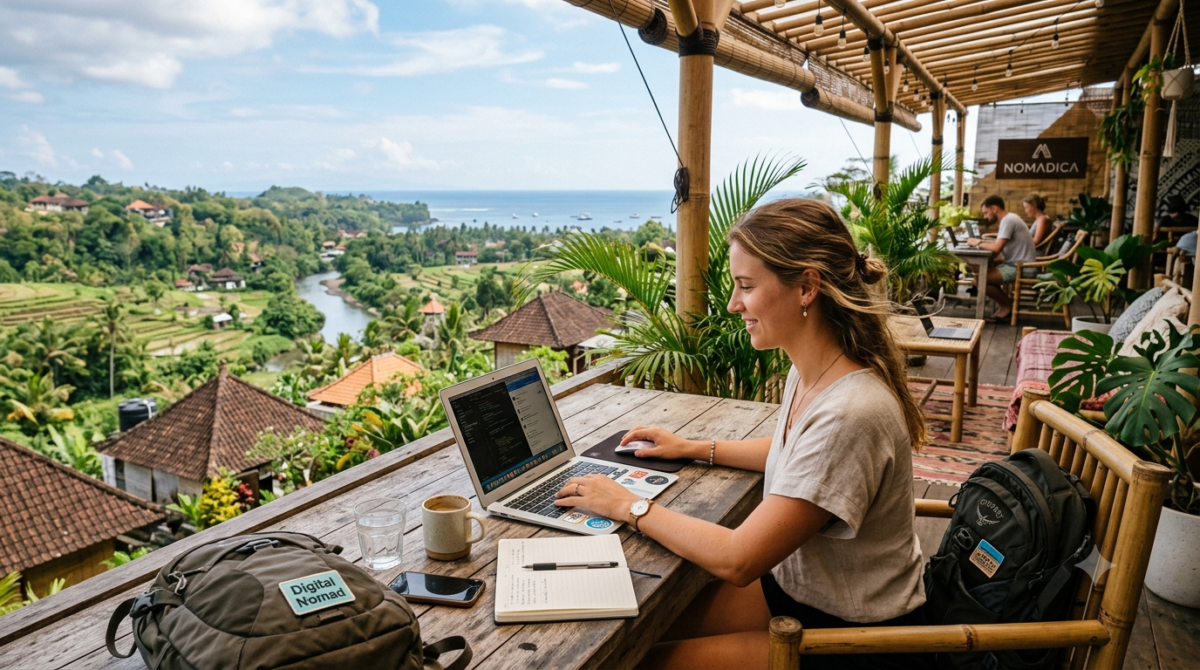
The digital nomad lifestyle has transformed the way people approach work and travel. Thanks to reliable internet, cloud-based tools, and flexible work arrangements, professionals can now build successful careers while exploring new destinations. Whether you’re working from a beachfront café in Bali, a mountain town in Europe, or a bustling city in South America, this lifestyle offers freedom that traditional office jobs often cannot match.
However, becoming a digital nomad is about more than booking flights and finding beautiful coworking spaces. It requires planning, discipline, financial awareness, and the ability to adapt to changing environments. This guide explains what the digital nomad lifestyle involves, its benefits and challenges, and practical tips for long-term success.
What Is a Digital Nomad Lifestyle?
A digital nomad lifestyle allows individuals to work remotely while traveling or living in different locations. Instead of being tied to a permanent office, digital nomads use laptops, smartphones, and internet connectivity to complete their work from virtually anywhere.
Common professions include:
- Freelance writers and designers
- Software developers
- Digital marketers
- Online consultants
- Virtual assistants
- Content creators
- E-commerce entrepreneurs
Many companies also offer remote-first positions, making it easier than ever for employees to embrace location-independent work.
Benefits of Becoming a Digital Nomad
Greater Freedom
One of the biggest attractions is the flexibility to choose where you live and work. You can relocate according to your interests, budget, or climate without sacrificing your career.
Cultural Experiences
Living in different countries provides opportunities to experience local traditions, cuisines, and communities. These experiences often lead to personal growth and broader perspectives.
Better Work-Life Balance
Many digital nomads structure their schedules around productivity rather than office hours. This flexibility allows time for exercise, sightseeing, hobbies, and meaningful relationships.
Potential Cost Savings
Choosing destinations with a lower cost of living can help remote workers reduce expenses while maintaining the same income. Careful budgeting can improve long-term financial stability.
Challenges of the Digital Nomad Lifestyle
Although the digital nomad lifestyle offers exciting opportunities, it also comes with responsibilities.
Reliable Internet Is Essential
Remote work depends on stable internet access. Before choosing a destination, research internet speeds, coworking spaces, and backup connectivity options.
Managing Different Time Zones
Working with international clients or global teams may require flexible schedules. Good calendar management and communication are essential.
Loneliness and Isolation
Constant travel can make it difficult to build lasting relationships. Joining coworking communities, networking events, or local meetups helps create meaningful connections.
Financial Planning
Income may fluctuate for freelancers and entrepreneurs. Maintaining emergency savings, tracking expenses, and diversifying income sources can reduce financial stress.
Essential Skills for Long-Term Success
Thriving as a digital nomad requires more than technical expertise.
Time Management
Without a traditional office environment, self-discipline becomes crucial. Setting daily goals, maintaining routines, and minimizing distractions help maintain productivity.
Communication
Strong communication skills are vital when collaborating remotely. Clear emails, organized project management, and regular video meetings keep teams aligned.
Adaptability
Travel often involves unexpected changes such as visa requirements, transportation delays, or internet outages. Flexibility helps overcome these challenges with less stress.
Financial Responsibility
Successful digital nomads monitor budgets carefully, understand tax obligations, and invest in insurance to protect themselves while traveling.
Best Destinations for Digital Nomads
Several cities have become popular because they combine affordable living, reliable internet, and vibrant communities.
Popular destinations include:
- Bali, Indonesia
- Lisbon, Portugal
- Chiang Mai, Thailand
- Medellín, Colombia
- Tbilisi, Georgia
- Mexico City, Mexico
These locations often provide excellent coworking spaces, networking opportunities, and lifestyle amenities that support remote professionals.
Tools Every Digital Nomad Should Use
Technology makes remote work possible. Consider using:
- Cloud storage for secure file access
- Video conferencing platforms for meetings
- Project management software for collaboration
- Password managers for security
- Expense tracking apps for budgeting
- VPN services for safer internet connections
Investing in quality equipment, including a lightweight laptop and noise-cancelling headphones, can also improve productivity.
How to Start Your Digital Nomad Journey
If you’re considering this lifestyle, start with a clear plan.
First, secure a reliable remote income source before leaving your current location. Next, research visa requirements, healthcare options, and accommodation in your chosen destination.
It’s also wise to test remote work with shorter trips before committing to full-time travel. This approach allows you to refine your workflow and discover what environment suits you best.
Building an emergency fund that covers several months of expenses provides additional financial security in unexpected situations.
Frequently Asked Questions
Is the digital nomad lifestyle suitable for everyone?
Not necessarily. It works best for individuals who enjoy flexibility, can manage uncertainty, and are comfortable working independently.
What jobs are best for digital nomads?
Remote-friendly careers such as software development, digital marketing, graphic design, writing, consulting, and customer support are among the most popular.
Do digital nomads pay taxes?
Yes. Tax obligations depend on your country of citizenship, residency status, and the regulations of the countries where you work. Professional tax advice is recommended for international situations.
Conclusion
The digital nomad lifestyle continues to redefine modern work by combining career opportunities with the freedom to explore the world. While it offers flexibility, cultural experiences, and personal growth, long-term success depends on careful planning, financial discipline, and effective time management. By developing strong remote work habits and choosing destinations that support your professional needs, you can build a rewarding career without being limited by geography.