Category: Blogging

  • Digital Nomad Lifestyle: How to Work, Travel, and Thrive Anywhere

    Digital Nomad Lifestyle: How to Work, Travel, and Thrive Anywhere

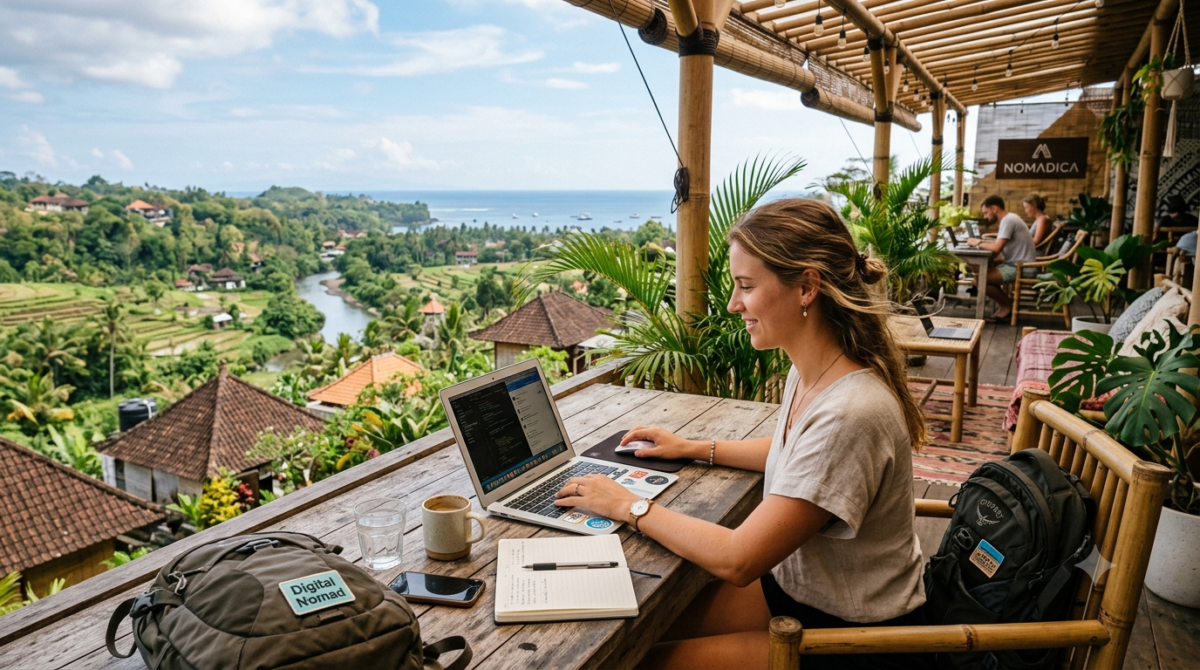
    The digital nomad lifestyle has transformed the way people approach work and travel. Thanks to reliable internet, cloud-based tools, and flexible work arrangements, professionals can now build successful careers while exploring new destinations. Whether you’re working from a beachfront café in Bali, a mountain town in Europe, or a bustling city in South America, this lifestyle offers freedom that traditional office jobs often cannot match.

    However, becoming a digital nomad is about more than booking flights and finding beautiful coworking spaces. It requires planning, discipline, financial awareness, and the ability to adapt to changing environments. This guide explains what the digital nomad lifestyle involves, its benefits and challenges, and practical tips for long-term success.

    What Is a Digital Nomad Lifestyle?

    A digital nomad lifestyle allows individuals to work remotely while traveling or living in different locations. Instead of being tied to a permanent office, digital nomads use laptops, smartphones, and internet connectivity to complete their work from virtually anywhere.

    Common professions include:

    • Freelance writers and designers
    • Software developers
    • Digital marketers
    • Online consultants
    • Virtual assistants
    • Content creators
    • E-commerce entrepreneurs

    Many companies also offer remote-first positions, making it easier than ever for employees to embrace location-independent work.

    Benefits of Becoming a Digital Nomad

    Greater Freedom

    One of the biggest attractions is the flexibility to choose where you live and work. You can relocate according to your interests, budget, or climate without sacrificing your career.

    Cultural Experiences

    Living in different countries provides opportunities to experience local traditions, cuisines, and communities. These experiences often lead to personal growth and broader perspectives.

    Better Work-Life Balance

    Many digital nomads structure their schedules around productivity rather than office hours. This flexibility allows time for exercise, sightseeing, hobbies, and meaningful relationships.

    Potential Cost Savings

    Choosing destinations with a lower cost of living can help remote workers reduce expenses while maintaining the same income. Careful budgeting can improve long-term financial stability.

    Challenges of the Digital Nomad Lifestyle

    Although the digital nomad lifestyle offers exciting opportunities, it also comes with responsibilities.

    Reliable Internet Is Essential

    Remote work depends on stable internet access. Before choosing a destination, research internet speeds, coworking spaces, and backup connectivity options.

    Managing Different Time Zones

    Working with international clients or global teams may require flexible schedules. Good calendar management and communication are essential.

    Loneliness and Isolation

    Constant travel can make it difficult to build lasting relationships. Joining coworking communities, networking events, or local meetups helps create meaningful connections.

    Financial Planning

    Income may fluctuate for freelancers and entrepreneurs. Maintaining emergency savings, tracking expenses, and diversifying income sources can reduce financial stress.

    Essential Skills for Long-Term Success

    Thriving as a digital nomad requires more than technical expertise.

    Time Management

    Without a traditional office environment, self-discipline becomes crucial. Setting daily goals, maintaining routines, and minimizing distractions help maintain productivity.

    Communication

    Strong communication skills are vital when collaborating remotely. Clear emails, organized project management, and regular video meetings keep teams aligned.

    Adaptability

    Travel often involves unexpected changes such as visa requirements, transportation delays, or internet outages. Flexibility helps overcome these challenges with less stress.

    Financial Responsibility

    Successful digital nomads monitor budgets carefully, understand tax obligations, and invest in insurance to protect themselves while traveling.

    Best Destinations for Digital Nomads

    Several cities have become popular because they combine affordable living, reliable internet, and vibrant communities.

    Popular destinations include:

    • Bali, Indonesia
    • Lisbon, Portugal
    • Chiang Mai, Thailand
    • Medellín, Colombia
    • Tbilisi, Georgia
    • Mexico City, Mexico

    These locations often provide excellent coworking spaces, networking opportunities, and lifestyle amenities that support remote professionals.

    Tools Every Digital Nomad Should Use

    Technology makes remote work possible. Consider using:

    • Cloud storage for secure file access
    • Video conferencing platforms for meetings
    • Project management software for collaboration
    • Password managers for security
    • Expense tracking apps for budgeting
    • VPN services for safer internet connections

    Investing in quality equipment, including a lightweight laptop and noise-cancelling headphones, can also improve productivity.

    How to Start Your Digital Nomad Journey

    If you’re considering this lifestyle, start with a clear plan.

    First, secure a reliable remote income source before leaving your current location. Next, research visa requirements, healthcare options, and accommodation in your chosen destination.

    It’s also wise to test remote work with shorter trips before committing to full-time travel. This approach allows you to refine your workflow and discover what environment suits you best.

    Building an emergency fund that covers several months of expenses provides additional financial security in unexpected situations.

    Frequently Asked Questions

    Is the digital nomad lifestyle suitable for everyone?

    Not necessarily. It works best for individuals who enjoy flexibility, can manage uncertainty, and are comfortable working independently.

    What jobs are best for digital nomads?

    Remote-friendly careers such as software development, digital marketing, graphic design, writing, consulting, and customer support are among the most popular.

    Do digital nomads pay taxes?

    Yes. Tax obligations depend on your country of citizenship, residency status, and the regulations of the countries where you work. Professional tax advice is recommended for international situations.

    Conclusion

    The digital nomad lifestyle continues to redefine modern work by combining career opportunities with the freedom to explore the world. While it offers flexibility, cultural experiences, and personal growth, long-term success depends on careful planning, financial discipline, and effective time management. By developing strong remote work habits and choosing destinations that support your professional needs, you can build a rewarding career without being limited by geography.
  • Japan Family Travel Guide for Memorable Family Vacations

    Japan Family Travel Guide for Memorable Family Vacations

    Japan has become one of the most appealing destinations for families seeking a combination of cultural experiences, modern attractions, outdoor adventures, and convenient travel infrastructure. Whether traveling with young children, teenagers, or multiple generations, visitors can find destinations and activities that cater to a wide range of interests and age groups.

    One of the reasons family travel in Japan continues to grow in popularity is the country’s ability to balance entertainment with education. Families can explore historic landmarks, discover local traditions, enjoy interactive attractions, and experience seasonal events while creating meaningful memories together. This diversity allows each family member to find something enjoyable throughout the journey.

    In addition to its attractions, Japan is known for its efficient transportation systems, well-maintained public facilities, and welcoming atmosphere. These factors make traveling between destinations relatively straightforward, helping families spend more time exploring and less time dealing with logistical challenges.

    From vibrant cities and cultural centers to scenic regions and family-oriented attractions, Japan offers countless opportunities for memorable vacations. With thoughtful planning, families can create an itinerary that combines relaxation, exploration, and meaningful shared experiences.

    Why Japan Is a Great Destination for Families

    family vacation japan

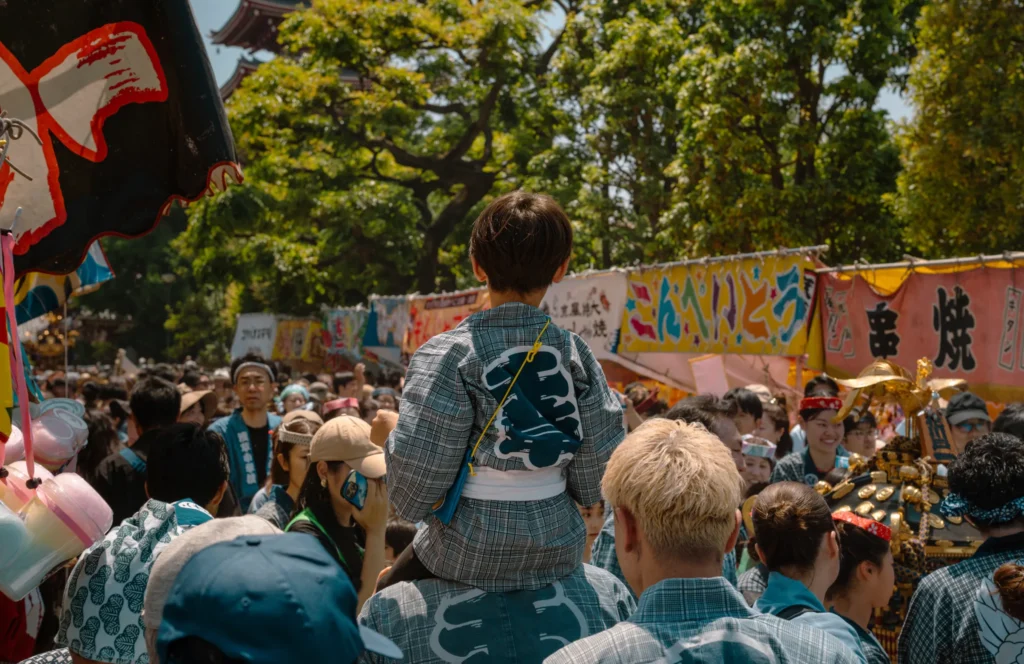
    Japan offers a unique combination of safety, convenience, and cultural richness that appeals to families from around the world. Major cities provide access to family-friendly attractions, shopping districts, museums, parks, and entertainment venues, while regional destinations offer opportunities to experience nature, local traditions, and seasonal landscapes.

    Another advantage is the country’s transportation network. Efficient rail services and well-connected public transportation systems make it easier for families to move between destinations without the stress often associated with long-distance travel. This accessibility allows visitors to include multiple cities and regions within a single itinerary.

    Families also appreciate the variety of experiences available throughout the year. Seasonal events, cultural festivals, outdoor activities, and educational attractions ensure that travelers can find suitable experiences regardless of when they choose to visit. These opportunities help create engaging trips that appeal to both children and adults.

    Accommodation options further contribute to the overall travel experience. Families can choose from a wide range of properties depending on their needs, including resorts, serviced apartments, and family-friendly 5 star hotels in sapporo that offer convenient access to local attractions and comfortable facilities for travelers of all ages.

    Family-Friendly Places in Japan

    family travel in tokyo

    Choosing the right destinations is one of the most important parts of planning a successful family vacation. Fortunately, Japan offers numerous locations that combine entertainment, culture, and accessibility. Families can customize their itinerary based on personal interests while ensuring that every member of the group has opportunities to enjoy the journey.

    Many travelers choose to combine major cities with regional destinations. This approach allows families to experience different aspects of Japan, from modern urban attractions and cultural landmarks to scenic landscapes and seasonal activities.

    Family Travel in Tokyo

    Tokyo offers a wide variety of family-oriented attractions, including interactive museums, parks, entertainment districts, shopping areas, and cultural landmarks. The city’s ability to combine educational experiences with entertainment makes it a popular destination for families visiting Japan.

    Read Also: Family Travel in Tokyo

    Family Travel in Kyoto

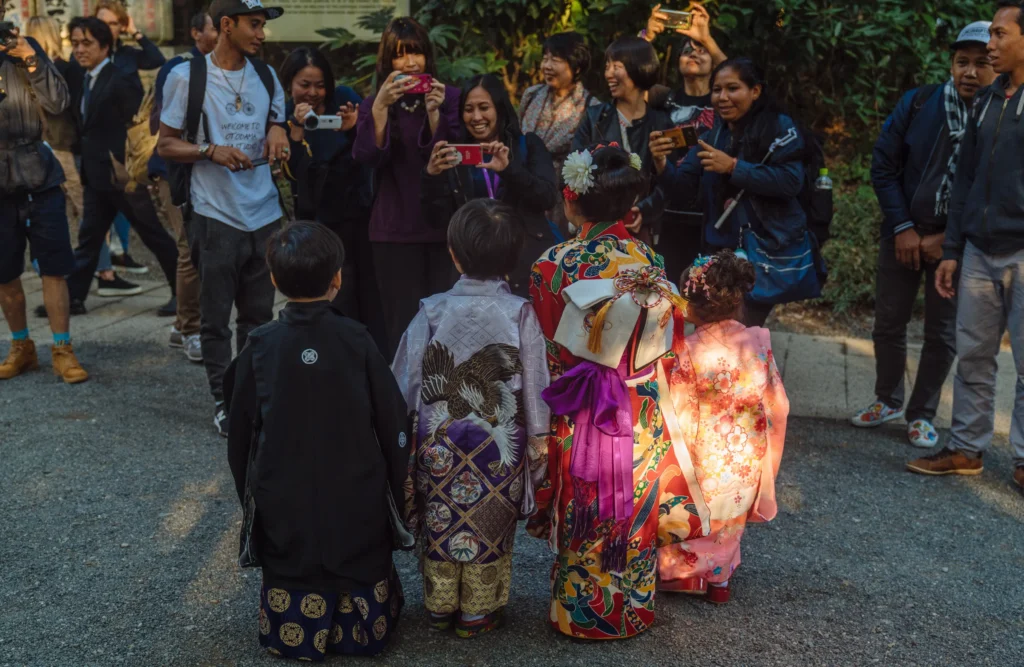
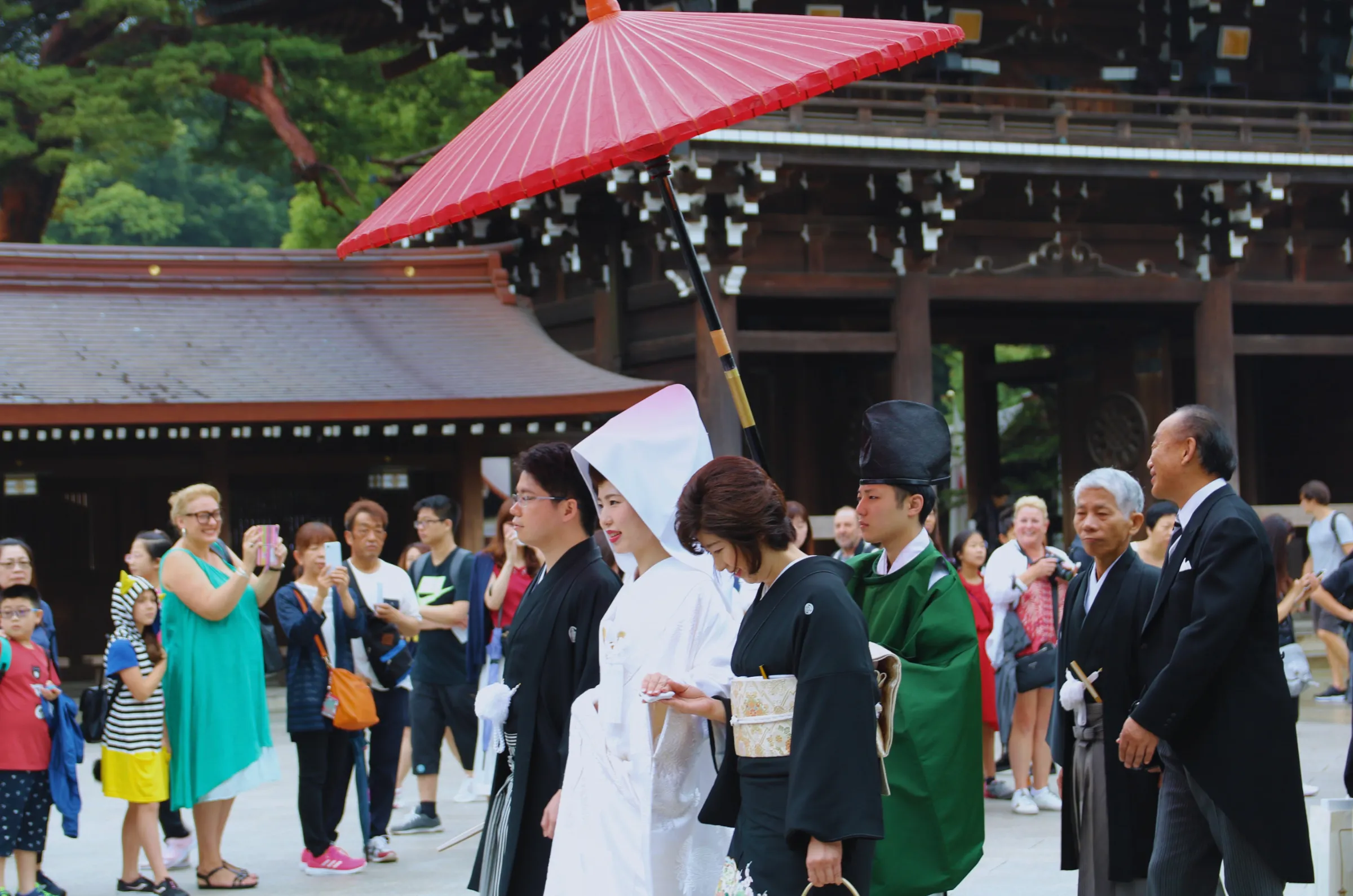
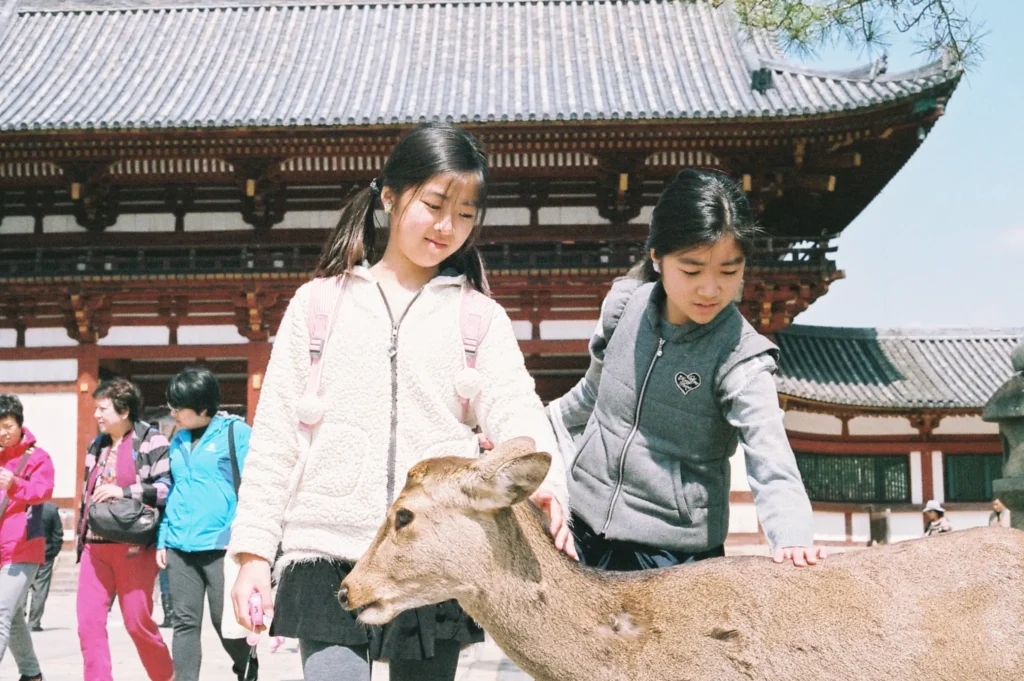
    Kyoto provides opportunities for families to experience Japan’s cultural heritage through historic temples, traditional gardens, and preserved districts. Educational experiences and cultural activities help introduce younger travelers to important aspects of Japanese history and tradition.

    Read Also: Family Travel in Kyoto

    Family Travel in Hokkaido

    Hokkaido offers a different perspective on family travel, with spacious natural landscapes, seasonal attractions, outdoor recreation opportunities, and family-friendly destinations throughout the region. Its diverse experiences make it an excellent addition to a family-focused Japan itinerary.

    Read Also: Family Travel in Hokkaido

    Activities Families Can Enjoy Together

    things to do with kids japan

    One of the reasons Japan is such a rewarding destination for families is the wide range of activities available for different age groups. Parents can enjoy cultural attractions and local experiences while children participate in interactive activities designed to be both entertaining and educational. This balance helps create itineraries that keep every member of the family engaged throughout the journey.

    Whether exploring major cities, visiting cultural landmarks, spending time outdoors, or participating in seasonal events, families can discover experiences that encourage learning, exploration, and quality time together. Many destinations also provide facilities and services specifically designed to accommodate families traveling with children.

    Things to Do in Japan with Kids

    Japan offers countless attractions suitable for children, including interactive museums, science centers, aquariums, wildlife parks, and themed entertainment venues. These attractions combine fun and education, allowing children to learn while actively participating in the experience.

    Outdoor activities are also popular among families. Parks, gardens, seasonal flower displays, and nature-focused attractions provide opportunities for children to explore different environments while enjoying time outdoors. Depending on the season, families may also encounter special events and festivals that create memorable experiences for younger travelers.

    Read Also: Things to Do in Japan with Kids

    Japan Family Vacation Guide

    Every family has different travel preferences, which is why planning plays an important role in creating a successful vacation. Some families prioritize cultural attractions and educational experiences, while others focus on outdoor recreation, entertainment, or seasonal activities. A balanced itinerary can help ensure that both adults and children remain engaged throughout the trip.

    When building a family vacation itinerary, it is often beneficial to mix sightseeing with leisure time. Including opportunities for relaxation helps maintain a comfortable pace, particularly when traveling with younger children or multiple generations. This approach creates a more enjoyable experience for everyone involved.

    Read Also: Japan Family Vacation Guide

    Planning a Family Trip to Japan

    Successful family travel begins with thoughtful planning. Choosing destinations that match the interests and needs of all travelers can significantly improve the overall experience. Factors such as transportation accessibility, accommodation options, travel pace, and seasonal conditions should all be considered when creating an itinerary.

    Many families find it helpful to combine several types of experiences within a single trip. Urban attractions, cultural landmarks, outdoor activities, and local dining experiences each contribute something different to the journey. This variety helps maintain excitement while providing opportunities to learn about different aspects of Japanese culture and daily life.

    Travel timing can also influence the experience. Different seasons offer unique attractions, landscapes, and events that may appeal to families. Understanding seasonal conditions in advance can help travelers choose destinations and activities that best align with their interests.

    By balancing structured planning with flexibility, families can create memorable vacations that accommodate different interests while allowing room for spontaneous discoveries along the way.

    Tips for Traveling Japan with Family

    Traveling with family often requires additional planning compared to solo or couple travel, but Japan’s infrastructure and family-friendly environment make the experience relatively convenient. By preparing in advance and selecting destinations that accommodate different age groups, families can enjoy a smoother and more enjoyable journey.

    One useful strategy is to maintain a balanced itinerary. While it may be tempting to visit as many attractions as possible, allowing time for rest and flexibility can improve the overall travel experience. Families traveling with children often benefit from shorter sightseeing days combined with opportunities for recreation and relaxation.

    Transportation planning is another important consideration. Japan’s efficient rail network allows families to travel between destinations comfortably, but researching routes and travel times beforehand can help minimize stress. Choosing accommodations near transportation hubs may also make daily travel more convenient.

    It is equally important to consider the interests of different family members when planning activities. Combining cultural attractions, outdoor experiences, interactive activities, and leisure time helps ensure that everyone remains engaged throughout the trip. This balanced approach often leads to more enjoyable and memorable vacations.

    Why Family Travel in Japan Continues to Grow

    Japan has become an increasingly popular destination for family vacations due to its combination of safety, convenience, cultural richness, and diverse attractions. Families can experience modern cities, historic landmarks, seasonal events, and natural landscapes within a single journey, creating opportunities for both entertainment and education.

    The country’s ability to cater to different travel styles also contributes to its appeal. Whether families prefer cultural exploration, outdoor adventures, theme parks, food experiences, or seasonal activities, Japan offers destinations and attractions capable of meeting a wide variety of interests.

    Another factor driving interest in family travel is the growing availability of services designed specifically for families. Family-oriented accommodations, accessible transportation systems, and attractions suitable for different age groups help create a more comfortable travel experience for both parents and children.

    As more travelers seek meaningful experiences that can be shared across generations, Japan continues to stand out as a destination capable of providing memorable journeys for families of all sizes and travel preferences.

    Conclusion

    Japan family travel offers an exceptional combination of cultural experiences, family-friendly attractions, outdoor adventures, and convenient transportation. From major cities such as Tokyo and Kyoto to scenic destinations like Hokkaido, families can discover a wide range of experiences that appeal to travelers of all ages.

    Whether exploring educational attractions, participating in seasonal activities, enjoying local cuisine, or simply spending quality time together, families can create meaningful memories throughout their journey. The country’s diversity allows visitors to customize itineraries according to their interests while maintaining a comfortable pace of travel.

    With thoughtful planning and a balanced mix of activities, Japan can provide a rewarding travel experience that combines entertainment, learning, and cultural discovery. These qualities continue to make it one of the most attractive destinations for families seeking unforgettable vacations and shared experiences.

  • Bali to Nusa Lembongan Boat Guide for Easy Island Travel

    Bali to Nusa Lembongan Boat Guide for Easy Island Travel

    A boat from Bali to Nusa Lembongan is the main way to reach this relaxed island from mainland Bali, making the transfer an important part of your trip planning. Whether you are visiting for beaches, surf, family time, villa stays, or a longer island escape, understanding departure points, luggage rules, booking tips, and arrival logistics can make the journey much smoother.

    Why Take a Boat from Bali to Nusa Lembongan?

    Nusa Lembongan lies southeast of Bali and is accessible only by sea. That is part of the island’s appeal. It feels close enough for an easy transfer, but far enough to offer a slower pace than mainland Bali.

    For travellers arriving from Australia, New Zealand, Singapore, or other international markets, Bali often acts as the first gateway. Bali’s tourism data shows strong demand, with more than 6.9 million direct foreign tourist arrivals recorded in 2025. Australia remained the largest contributor, helping explain why Nusa Lembongan continues to attract visitors seeking a quieter island stay after landing in Bali.

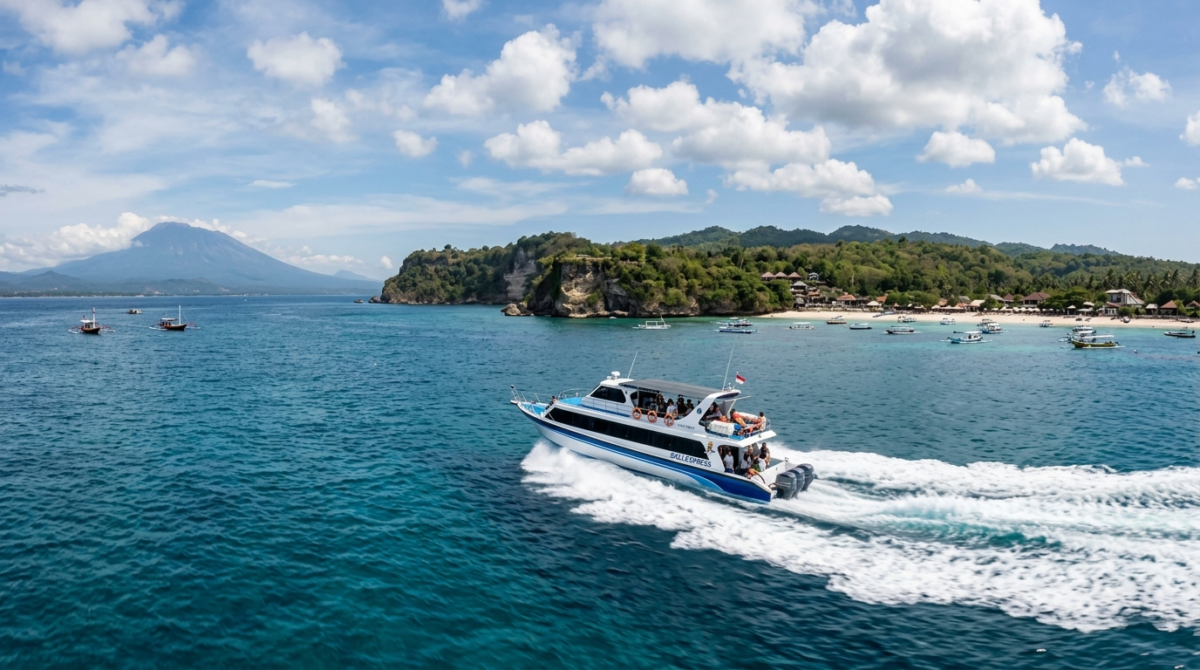
    The most common Bali-to-Nusa Lembongan boat departure point is Sanur, mainly because it offers regular departures, a convenient harbour, and one of the shortest crossing times. Some services also leave from Benoa, Mertasari, or Serangan, depending on the operator and whether you are booking a public fast boat or private charter.

    Main Departure Points in Bali

    Sanur Harbour is the most popular departure point for a boat transfer to Nusa Lembongan. It is convenient for travellers staying in Sanur, Ubud, Canggu, Seminyak, Legian, Kuta, or Nusa Dua, as most transfer providers can arrange road transport before the boat crossing.

    Most public fast boats travel from Sanur to Jungutbatu or nearby beach landing points. Jungutbatu is one of the island’s main arrival areas, with easy access to hotels, villas, restaurants, surf breaks, and island transport.

    Benoa is another option, especially for select cruise-style services bound for Mushroom Bay. Private transfers may also depart from Mertasari or Serangan, depending on the boat provider. A private boat to Nusa Lembongan can be useful for families, wedding groups, or travellers with special timing needs, although it usually costs much more than a shared fast boat.

    How Long Does the Boat Transfer Take?

    The sea crossing from Sanur to Nusa Lembongan typically takes around 30 minutes, with some sources noting 30–40 minutes depending on sea conditions, the operator, and the exact arrival point. This makes it one of the easiest island transfers from Bali.

    However, the total travel time exceeds the boat ride itself. You need to consider hotel pickup, road traffic to Sanur, check-in time, luggage loading, boarding, arrival, and transfer from the beach or harbour to your accommodation.

    For a morning departure, it is better to arrive at the harbour early. If you are coming from Canggu, Seminyak, or Ubud, allow extra time because Bali traffic can be unpredictable. Missing the boat may mean waiting several hours for the next departure or needing to rebook.

    What to Expect on Travel Day

    On travel day, your driver usually takes you to the departure office or harbour area. You check in, confirm your ticket, tag your luggage if required, and wait for boarding instructions. Some operators board directly from a dock, while others may involve walking across sand or shallow water, depending on the tide and landing conditions.

    Wear comfortable footwear that you can remove easily, and avoid long trousers if you may need to step through shallow water. Keep your passport, phone, wallet, hotel confirmation, and valuables in a small hand-carry bag.

    The boat ride is short, but it can be bumpy during windy periods or rougher sea conditions. Travellers prone to motion sickness should prepare medication in advance and avoid heavy meals just before departure.

    Luggage and Packing Advice

    Luggage planning is important because fast boats have limited storage space. Most travellers bring one suitcase or backpack plus a smaller carry-on. Oversized luggage, surfboards, dive gear, prams, or large sports equipment may need special confirmation before travel.

    If you are heading to villas in Lembongan Island or planning a longer stay, pack practically. The island has shops and services, but not everything is as easily available as on the mainland of Bali. Bring sunscreen, reef-safe toiletries, medication, chargers, swimwear, light clothing, and any personal items you rely on.

    For families booking Nusa Lembongan family accommodation, it is smart to keep snacks, water, spare clothes, and children’s essentials in a day bag. Your main luggage may not be immediately accessible during the transfer.

    Booking Tips for a Smooth Transfer

    Booking early is one of the simplest ways to reduce stress. During school holidays, Christmas, New Year, Easter, and peak travel months, popular departure times can fill quickly. Early booking also helps you secure better timing around hotel check-in, airport arrival, or villa plans.

    For a smoother process, book your Bali-to-Nusa Lembongan boat ticket before your travel day, and confirm the departure point, check-in time, luggage allowance, hotel pickup, and arrival location. This is especially important if you are travelling with children, a group, or guests arriving on different flights.

    If you are staying in a villa for rent nusa lembongan, ask the property team which arrival point is most convenient. Some areas are closer to Jungutbatu, while others may be better reached from Mushroom Bay or other landing points.

    Arriving and Moving Around Lembongan

    Once you arrive, island transport is usually arranged by your accommodation, boat operator, or local drivers. Roads on the island are smaller than on mainland Bali, so transport often involves scooters, small trucks, buggies, or private island transfers.

    If you want to explore, plan your transport based on your comfort level. Confident riders may rent scooters, while families or groups may prefer arranged transport. This is helpful if you want to visit a Nusa Lembongan surf spot, cross the Yellow Bridge to explore accommodation on Ceningan Island, or visit beaches, viewpoints, spas, and restaurants.

    Nusa Lembongan is compact, but planning still matters. Choosing accommodation near your preferred beach, dining area, or activity can save time and make the stay more relaxed.

    Where to Stay After Arriving

    Your boat transfer and accommodation should work together. Travellers looking for Nusa Lembongan accommodation often compare beach access, views, villa size, and distance from restaurants. If you want more space, a villa in Nusa Lembongan can be ideal for couples, families, or groups.

    Options such as Lembongan Island Beach Villas, Lembongan Beach Villas, and Lembongan Beach Villas Resort are often considered by travellers seeking ocean views and easy access to the island. Some guests search for villa stays in Nusa Lembongan, Bali, with private living areas, while others compare villas in Nusa Lembongan for location, pool, and sunset views.

    Food is also part of the experience. Lembongan Island restaurants range from casual beachfront spots to relaxed dinner venues. Before arriving, shortlist the best places to eat in Nusa Lembongan so your first meal after the boat transfer feels easy.

    For many travellers, the best place to stay in Nusa Lembongan is not only the most beautiful property. It is the place that makes arrival, movement, dining, and activities feel simple.

    Final Thoughts

    A boat transfer to Nusa Lembongan is short, but good planning makes a big difference. Choose the right departure point, arrive early, pack smart, check luggage rules, and book ahead during busy periods.

    When your Bali-to-Nusa Lembongan boat is confirmed in advance, the journey feels easier from the start. Instead of worrying about tickets, timings, or luggage, you can focus on the island itself: beaches, villas, surf, food, sunsets, and the slower rhythm that makes Nusa Lembongan worth the crossing.

  • Best Road Trips and Itineraries for Your Next Adventure in Indonesia

    Best Road Trips and Itineraries for Your Next Adventure in Indonesia

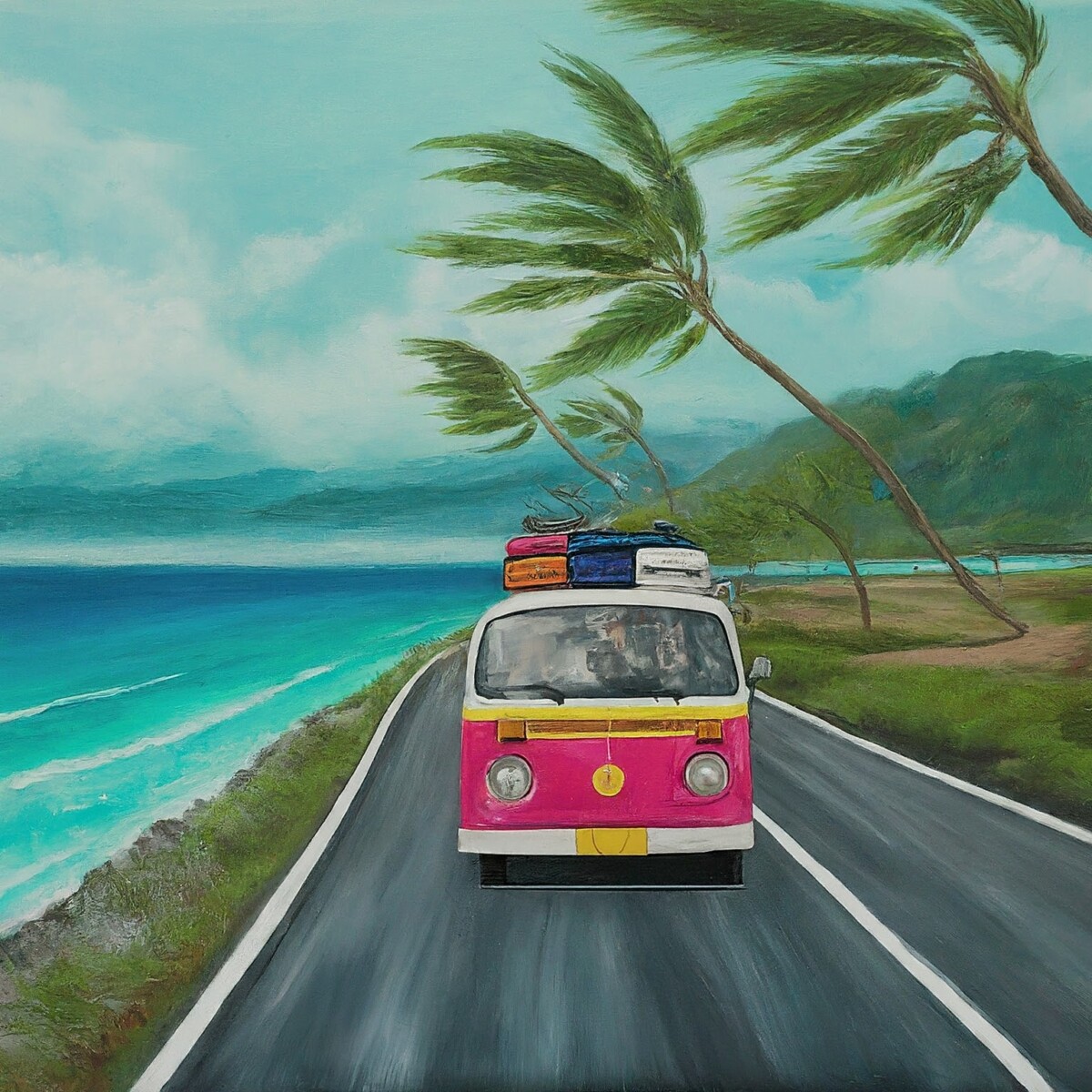
    Indonesia, an archipelago nation adorned with emerald islands, volcanic peaks, and captivating coastlines, is a dream destination for adventurous road trippers. Buckle up and hit the gas because Indonesia offers an unforgettable journey on wheels, weaving together diverse landscapes, rich cultures, and hidden gems. Here are some of the best road trip routes to consider for your next adventure in Indonesia:

    1. Unveiling the Majesty of Java:

    • Route: Begin your journey in Jakarta, Indonesia’s bustling capital, and head east towards the charming city of Bandung. With its tea plantations and volcanic peaks, Bandung is a haven for nature lovers.
    • Itinerary: Continue your adventure in Indonesia from the south to Pangandaran, a beach paradise offering surfing, diving, and stunning sunsets. Wind your way through the scenic highlands of Wonosobo, stopping to marvel at the majestic Dieng Plateau with its colorful lakes and ancient temples. Conclude your trip to Yogyakarta, the cultural heart of Java, where you can immerse yourself in the beauty of Prambanan and Borobudur Temple.

    2. Unveiling the Enchantment of Bali:

    • Route: Start your exploration in Denpasar, Bali’s vibrant capital. Head north towards Ubud, the island’s artistic and cultural hub, renowned for its rice paddies, traditional dance performances, and art galleries.
    • Itinerary: Continue your journey east to the charming village of Sidemen, nestled amidst breathtaking rice terraces. Drive south to the stunning Nusa Dua peninsula, a haven for luxurious resorts and pristine beaches. Conclude your Balinese adventure in Seminyak, a trendy coastal town known for its lively nightlife and world-class surfing.

    Read also, Navigating Nature: Tips for a Successful Expedition

    3. Unveiling the Untamed Beauty of Sumatra:

    • Route: Begin your exploration in Medan, Sumatra’s energetic capital city. Head south towards Bukittinggi, a charming highland town offering breathtaking views and a glimpse into Minangkabau culture.
    • Itinerary: Continue your adventure to Lake Toba, the largest volcanic lake in the world, where you can explore Samosir Island and experience the unique Batak culture. Head west towards Aceh, a province rich in history and natural wonders, where you can visit the mesmerizing Lau Kawar Hot Springs and the Tsunami Museum.

    4. Unveiling the Secrets of Flores:

    • Route:West Flores (Labuan Bajo – Ruteng – Manggarai – Cancar):
    • Itinerary: Begin your adventure in Labuan Bajo, the gateway to Komodo National Park, where you might encounter the legendary Komodo dragons. Travel inland to Ruteng, a cool mountain town surrounded by traditional villages. Explore the Manggarai region, known for its megalithic stone structures and stunning rice terraces. End your journey in Cancar, a city nestled amidst dramatic limestone cliffs, offering breathtaking views.

    5. Island Hopping Adventure in Lombok:

    • Route:Lombok (Senggigi – Mataram – Tetebatu – Kuta)
    • Itinerary: Relax on the beautiful beaches of Senggigi, a famous resort town on Lombok’s west coast. Head towards Mataram, the island’s capital, to experience its cultural treasures. Hike through the lush hills of Tetebatu, a region common for its coffee plantations and stunning waterfalls. Conclude your trip in the lively beach town of Kuta, offering various surfing options and vibrant nightlife.

    6. Unveiling the Beauty of Sulawesi:

    • Route:South Sulawesi (Toraja Land – Makassar – Bira Beach)
    • Itinerary: Delve into the unique culture of Toraja Land, where traditional funeral ceremonies and intricately carved wooden houses await. Explore Makassar, a bustling port city rich in history and cultural influences. Finally, unwind on Bira Beach’s pristine white sand beaches, perfect for swimming and relaxation.

    Planning Your Adventure in Indonesia Road Trip:

    • Research and Preparation: Choose your route based on your interests and desired duration. Ensure your vehicle is in good condition and obtain the necessary permits. Research toll roads and plan your stops for fuel and refreshments.
    • Embrace the Unexpected: Part of a road trip’s charm is the possibility of discovering hidden gems along the way. Be flexible and open to detours and spontaneous adventures.
    • Respect Local Culture: Dress modestly in areas with religious significance and be mindful of local customs. Learn basic Indonesian phrases to enhance your interactions with the locals.
  • Ecotourism Delight: Must-Visit National Parks in Indonesia

    Ecotourism Delight: Must-Visit National Parks in Indonesia

    Indonesia is a vast and diverse archipelago, home to over 17,000 islands, each with its unique culture and natural beauty. The country is also a biodiversity hotspot, with over 500 national parks and nature reserves protecting its rich flora and fauna.

    For travelers interested in ecotourism, Indonesia is a dream destination. National parks suit all interests, from lush rainforests to towering volcanoes to pristine beaches. Here are just a few of the must-visit national parks in Indonesia:

    Ujung Kulon National Park

    Located on the western tip of Java, Ujung Kulon National Park is a UNESCO World Heritage Site known for its diverse wildlife, including the endangered Javan rhinoceros. The park is also home to lush rainforests, mangrove swamps, and stunning beaches.

    Komodo National Park

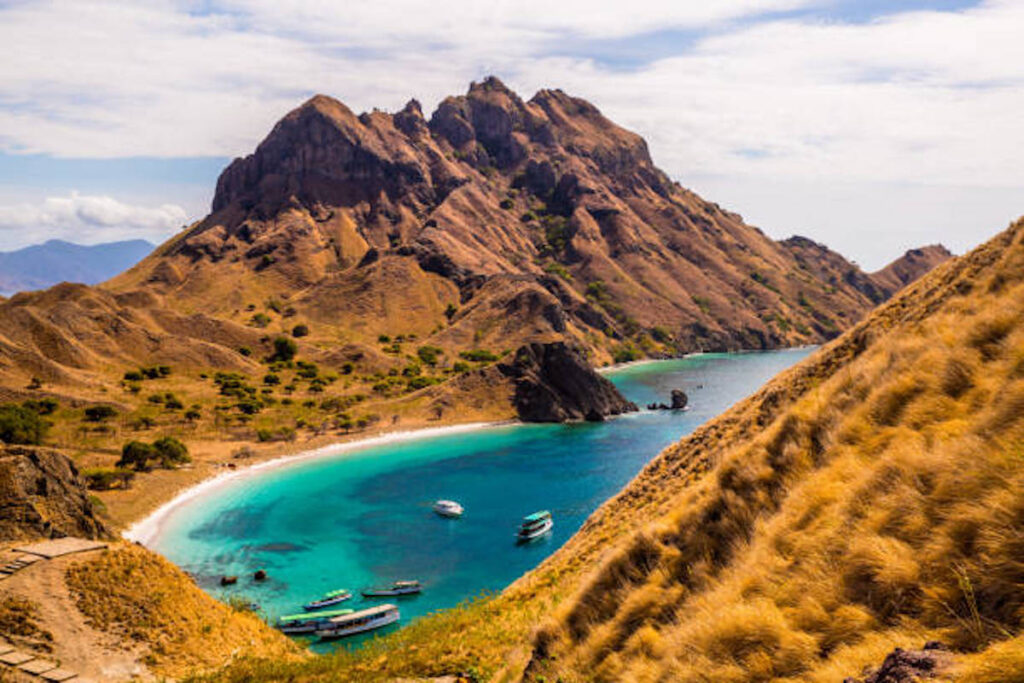
    Komodo National Park is home to the world’s most giant lizards, the Komodo dragons. The park also includes several other islands, each with a unique ecosystem. Visitors can go trekking, snorkeling, and diving to explore the park’s natural wonders.

    Komodo National Park

    Lorentz National Park

    Lorentz National Park is the largest national park in Southeast Asia and one of the most remote and pristine places on Earth. The park is home to various unique wildlife, including the snow leopard, the tree kangaroo, and the cassowary. Visitors can go trekking, camping, and birdwatching in the park.

    Gunung Leuser National Park

    Gunung Leuser National Park is another UNESCO World Heritage Site on the island of Sumatra. The park has various habitats, including rainforests, cloud forests, and alpine meadows. Visitors can go trekking, camping, and birdwatching in the park.


    Read More:

    Top 10 Ultralight Gear Essentials Every Backpacker Should Have

    Forgotten Stories: Exploring Abandoned Places in Indonesian Cities


    Manusela National Park

    Manusela National Park is located on the island of Seram. The park is home to various unique wildlife, including the Seram kangaroo, the Seram scrubfowl, and the Seram honeyeater. Visitors can go trekking, camping, and birdwatching in the park.

    Bromo Tengger Semeru National Park

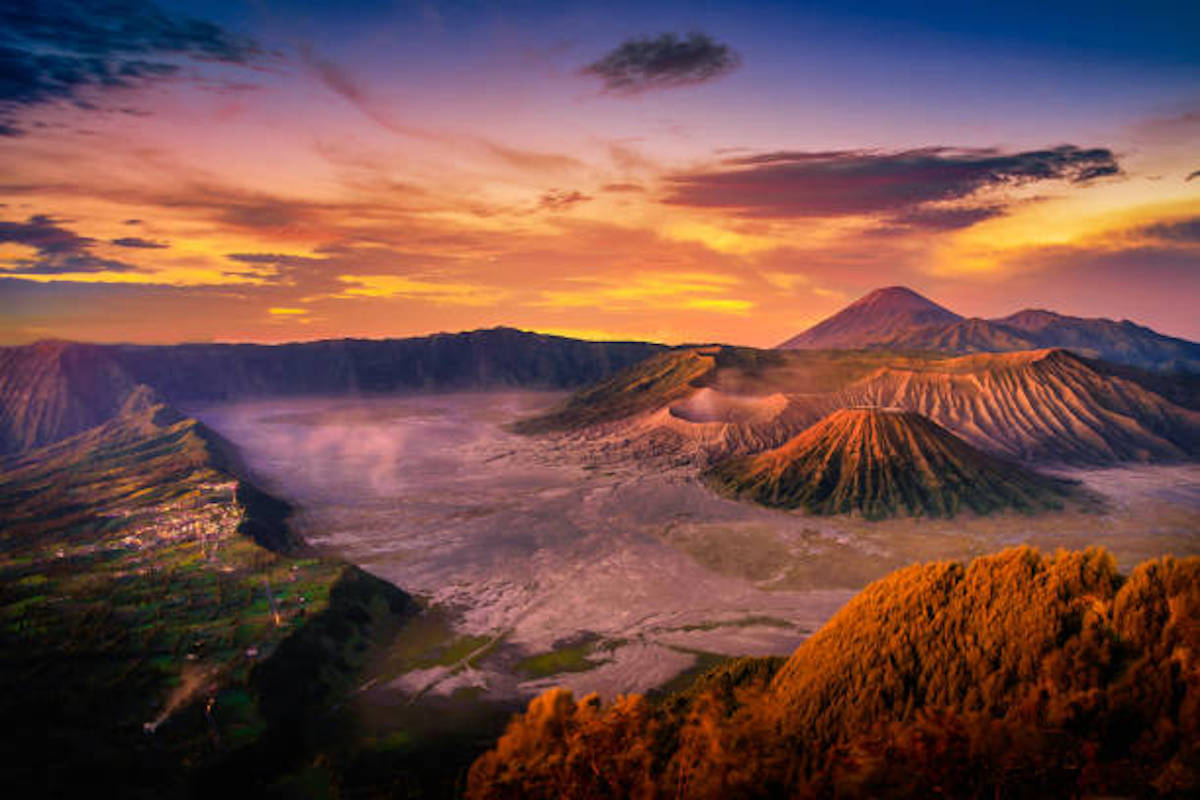
    Bromo Tengger Semeru National Park is home to Mount Bromo, an active volcano with a stunning caldera. The park is also home to the Tengger people, an indigenous group with a unique culture. Visitors can go trekking, camping, and horseback riding in the park.

    Bromo Tengger Semeru National Park

    Bunaken National Park

    Bunaken National Park is a marine park located off the coast of North Sulawesi. The park is home to various coral reefs and marine life, including turtles, dolphins, and whales. Visitors can go snorkeling, diving, and on boat trips to explore the park’s underwater wonders.

    Wakatobi National Park

    Wakatobi National Park is another marine park located off the coast of Southeast Sulawesi. The park is home to various coral reefs and marine life, including sharks, rays, and manta rays. Visitors can go snorkeling, diving, and on liveaboard trips to explore the park’s underwater wonders.

    Raja Ampat National Park

    Raja Ampat National Park is in the heart of the Coral Triangle, one of Earth’s most biodiverse marine regions. The park is home to various coral reefs and marine life, including sharks, rays, and pygmy seahorses. Visitors can go snorkeling, diving, and on liveaboard trips to explore the park’s underwater wonders.

    Tips for Visiting Indonesia’s National Parks

    • Plan your trip ahead of time. Many of Indonesia’s national parks are located in remote areas, so planning your trip and booking your transportation and accommodation is important.
    • Dress appropriately. Indonesia is tropical, so pack light, comfortable clothing and sunscreen. It’s also a good idea to bring insect repellent and a hat.
    • Be respectful of the environment. Indonesia’s national parks are home to various unique wildlife and plants. Be sure to stay on marked trails and dispose of your trash properly.
    • Hire a local guide. If you’re new to Indonesia, hiring a local guide to help you navigate the national parks is a good idea. A guide can also help you learn about the local culture and wildlife.

    Indonesia is a nature lover’s paradise, with national parks to suit all interests. Whether you’re looking to spot rare wildlife, explore lush rainforests, or relax on pristine beaches, you will find a perfect national park in Indonesia.

  • 10 Unconventional Ways to Serve Your Brew

    10 Unconventional Ways to Serve Your Brew

    Coffee has become integral to our daily lives, providing a much-needed energy boost and a comforting ritual to start the day. While many of us are familiar with classic coffee preparations like espressos, lattes, and cappuccinos, many innovative and unconventional ways exist to serve your favorite brew. From exotic flavors to artistic presentations, these unique coffee serving styles can elevate your coffee experience. We will delve into ten creative ways to serve your coffee, each offering the promise of tantalizing your taste buds and infusing your coffee routine with a delightful touch of excitement.

    Nitro Coffee: Effervescent Euphoria

    Nitro coffee adds tiny nitrogen bubbles to cold brew, creating a creamy, frothy texture akin to draft beer. The nitro infusion adds a unique mouthfeel to the coffee, making it a refreshing and invigorating option, especially during hot summer days. Served straight from a tap, the cascading effect of the nitrogen bubbles adds a visual spectacle to your coffee experience, turning it into an enjoyable performance.

    Coffee Cocktails – A Buzzing Fusion

    Coffee cocktails offer an exciting blend of flavors for those who enjoy a little tipple alongside their coffee. From classic Espresso Martinis to creative concoctions, mixing coffee with alcoholic beverages can produce a unique and delightful fusion. Combining coffee’s bitterness and the sweetness of various spirits or liqueurs can create a harmonious balance that satisfies both your coffee cravings and your taste for a spirited treat.

    Coffee Ice Cream Floats – The Sweet Symphony

    Indulge your sweet tooth with a coffee ice cream float, a decadent dessert-meets-coffee creation.
    Pour freshly brewed coffee over coffee-flavored ice cream for a delightful blend of rich coffee flavors and creamy goodness. Top it off with whipped cream and chocolate shavings for extra extravagance.

    Coffee Gummies – Chewy Caffeination

    Coffee gummies are a playful and unique way to enjoy your brew coffee in a chewable form. These bite-sized treats are made by infusing coffee into gummy candy, providing a convenient and portable caffeine fix. Perfect for those who prefer a mild coffee taste or are looking for a fun alternative to traditional coffee beverages, coffee gummies are a delightful pick-me-up anytime, anywhere.

    Vietnamese Egg Coffee – A Creamy Surprise

    Vietnamese Egg Coffee, or Cà Phê Trứng, is a sumptuous and unconventional coffee preparation that involves whipping egg yolks with sweetened condensed milk to create a frothy, velvety mixture. Pouring this velvety mixture over black coffee creates a sweet, rich experience that will leave you craving more.


    Also Read:

    Exploring Different Models for Exceptional Vaping Experience

    Babi Guling: A Journey Through the History and Culture of Bali


    Coffee Rubs – Java-Infused Cuisine

    Coffee rubs aren’t just for grilling enthusiasts; they offer a tantalizing way to enhance the flavor of your meats and vegetables. This coffee elevates dishes with ground coffee, paprika, brown sugar, and cayenne pepper, creating a smoky and earthy flavor.

    Coffee Caviar – An Artistic Treat

    Coffee caviar is a visually stunning serving style that uses spherification. This culinary technique turns liquids into caviar-like pearls. Combining coffee with sodium alginate and dropping it into a calcium chloride solution creates coffee pearls that burst with flavor in your mouth. This artistic presentation adds a touch of sophistication and intrigue to your coffee indulgence.

    Coffee Popsicles – Frozen Elixir

    Beat the heat with coffee popsicles, a refreshing and unconventional way to enjoy your favorite brew. Mix coffee with the milk and sweetener of your choice, pour the mixture into popsicle molds, and freeze until solid. These coffee-infused frozen treats offer a delightful twist on iced coffee and are a perfect pick-me-up on a scorching day.

    Coffee Soda – Bubbly Refreshment

    Coffee soda combines the effervescence of soda with the rich flavors of coffee, resulting in a bubbly and invigorating drink. By blending coffee concentrate, sparkling water, and sweeteners, a fizzy, caffeinated drink is crafted, surprising and delighting your taste buds.

    Coffee-Infused Desserts – Sweet Harmony

    Last but not least, infuse your desserts with the essence of coffee to create delectable coffee-flavored treats. The endless options are coffee-infused cakes and brownies to tiramisu and coffee-flavored chocolates. Coffee adds depth and complexity to desserts, making them a divine end to any meal.

  • Le sombre passé derrière la gloire de La Raie Manta en Indonésie

    Le sombre passé derrière la gloire de La Raie Manta en Indonésie Le sombre passé derrière la gloire de La Raie Manta en Indonésie

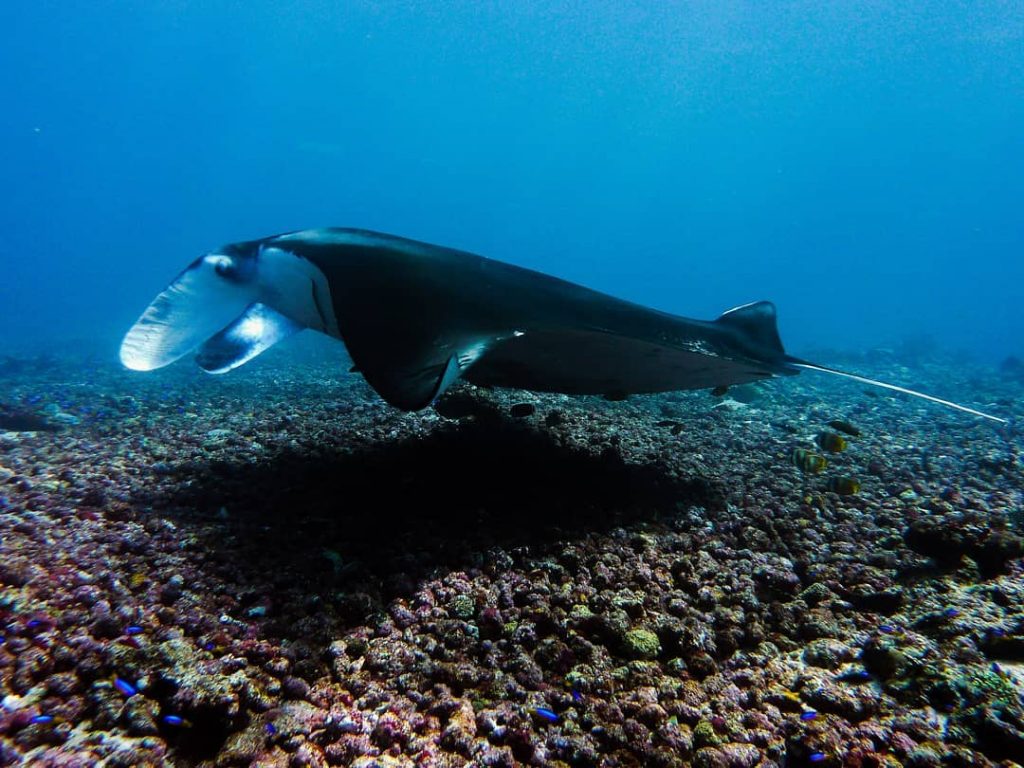
    Pour une expérience sous-marine mémorable, la plongée avec la raie manta est quelque chose dont presque tous les plongeurs rêvent. Pour être dans le paysage tranquille où une gigantesque raie manta passe gracieusement, bat doucement ses nageoires en forme d’ailes, évoquant des images de ballet sous-marin. L’île sœur de Bali, la décontractée Nusa Penida, est l’un des meilleurs endroits pour nager avec ces gentils géants. La pointe Manta à Nusa Penida est un paradis et une zone sûre pour ces poissons protégés.

    Histoire sombre derrière la popularité de la raie manta

    Manta Ray n’a pas toujours eu cette chance. Il y a à peine 6 ans, ils étaient chassés partout dans les eaux indonésiennes, principalement dans la partie sud du pays où les terres sont pour la plupart stériles et les gens dépendent de la mer. La raie manta était courante dans la table du dîner de Solok et de nombreux autres villages côtiers de l’est de l’Indonésie, qui appréciaient le poisson ailé comme nourriture traditionnelle. Les pêcheurs avaient l’habitude de chasser la raie manta car une seule manta leur donnerait trois millions de roupies (212 $ US).

    Le sombre passé derrière la gloire de La Raie Manta en Indonésie

    La pêche a augmenté depuis que les marchés chinois ont commencé à s’intéresser aux branchies de la manta comme médecine alternative, même si aucune étude ne l’a jamais prouvé. Une seule branchie serait vendue autour de 150 000 roupies le kilogramme, et cela suffit pour pousser la pêche à la mante, la poussant au-delà des limites habituelles. Les pêcheurs donneraient la priorité à la raie manta par rapport aux autres poissons et, par conséquent, l’animal faisait rapidement face à une extinction.

    Protections Manta

    L’Indonésie a commencé à interdire la pêche des raies manta car la population diminuait rapidement. Les raies manta femelles ne peuvent donner naissance qu’à un ou deux petits tous les deux à cinq ans, tandis que le pêcheur peut en attraper des centaines chaque année. Si cela continue, il n’y aura bientôt plus de raie manta dans l’eau d’Indonésie. Pendant ce temps, l’industrie du tourisme de plongée montrait un intérêt croissant pour la raie manta comme l’un des animaux les plus recherchés par les plongeurs.

    Nusa Penida était l’une des principales régions d’Indonésie à protéger localement la raie Manta. Les voyagistes et les pêcheurs ont reçu une formation sur la Manta et cela se traduit par une plus grande observation de ces animaux majestueux. En 2014, le gouvernement a finalement imposé des interdictions de raies Manta et a mis en place des patrouilles quotidiennes dans les régions denses de Manta pour s’assurer qu’il n’y a plus de chasse aux mantas.

    Lire la Suite: 

    Comment planifier un voyage plongée Bali sans trop dépenser?

    Découvrez la faune et la flore sous-marine incroyable de Bali

    Chasse à la raie manta à Manta Point Nusa Penida

    Aujourd’hui, l’Indonésie est devenue le plus grand sanctuaire de raies manta au monde alors que le pays s’engage à protéger toutes les raies manta dans ses 6 millions de kilomètres de sa zone économique exclusive. Les décisions ont été influencées par une étude qui estime que la raie manta vivante, en tant qu’objet d’écotourisme, pourrait contribuer au moins 12 milliards de roupies au cours de sa vie. Pour comparer, une seule raie manta serait vendue entre trois et six millions de roupies. Une manta vivante vaut au moins 400 000 de plus lorsqu’elle est laissée en vie en conservation. Du point de vue économique, c’est une décision facile.

    Le sombre passé derrière la gloire de La Raie Manta en Indonésie

    La pointe Manta à Nusa Penida abrite à elle seule plus de 600 individus de raies manta sur son eau. Il sert d’habitat essentiel à cet animal «vulnérable à l’extinction» et prévoit de continuer à le faire. Aujourd’hui, les plongeurs et tous les passionnés de la mer pourraient profiter de l’observation de la raie manta alors qu’ils s’épanouissent dans une vie meilleure. La chasse à la manta à Manta Points Nusa Penida est aujourd’hui une activité totalement amusante et amicale: aucune manta n’est blessée.

  • Portugal, un pays magnifique pour se plaisir dans lequel vous pouvez trouver les plages formidables en Europe

    porto.fr

    On va découvrir un pays qui est similaire comme l’Espagne! Ouais, très proche avec l’Espagne! Vous pouvez définir? Ouais, c’est le Portugal! Un pays du sud de l’Europe, sur la péninsule Ibérique, délimité en partie par l’Espagne. Sa situation au bord de l’océan Atlantique a influencé de nombreux aspects de sa culture : la morue salée et les sardines grillées sont des plats nationaux, les plages de l’Algarve sont très prisées et une grande partie de l’architecture du pays date des années 1500 aux années 1800, période pendant laquelle le Portugal était un empire maritime puissant. On peut mentionner ici quelques destinations touristiques que vous pouvez visiter pendant votre voyage au Portugal!

    Duero

    Le Douro ou Duero est un fleuve de 897 km qui prend sa source en Espagne à 2 160 m d’altitude, dans la sierra de Urbión appartenant à la cordillère Ibérique, dans la province de Sória. Il serpente à travers la Meseta pendant 612 km. Étant l’un des principaux fleuves de la péninsule ibérique, le Douro est un site touristique très approprié à visiter pour obtenir fraîcheur et tranquillité d’esprit. L’eau du fleuve coule de sa source non loin de Duruelo de la Sierra dans la province de Soria, et on sait qu’à cet endroit il y a 15 barrages dont la construction est au-dessus du Douro. La fonction du barrage est certainement de réguler le débit d’eau et de produire de l’énergie hydroélectrique. Un tour dans la nature sur le 3ème plus long fleuve après l’Èbre et le Tage sur la péninsule ibérique d’une longueur de 897 kilomètres ne vous le regrettera pas.

    Monastère des Hiéronymites

    Le Monastère des Hiéronymites est un monastère portugais de l’Ordre de Saint-Jérôme, témoignage monumental de la richesse des découvertes portugaises à travers le monde. Comme la tour de Belém, il est un exemple significatif du style manuélin. Un autre nom pour le monastère des Hiéronymites est le monastère des Hiéronymites et est un monastère de l’ordre de Saint-Jérôme qui est situé non loin de la plage de la paroisse de Belém. Les nouveaux touristes seront satisfaits après une visite du bâtiment, sont obligés de venir à cet endroit car en plus d’être l’un des exemples de bâtiments de style gothique manuélin, cet emplacement a été inclus dans la liste des sites du patrimoine mondial de l’UNESCO en 1983.

    Plus d’histoires de voyage que nous avons sélectionnées pour vous: Pourquoi devez-vous faire au moins un safari bali plongée au cours de votre vie ?

    Cathédrale de Porto

    La Cathédrale de Porto est une église forteresse du XIIᵉ siècle sise dans le centre historique de la vieille ville de Porto. De style roman, elle est remaniée aux XVIIᵉ et XVIIIᵉ siècles, mais n’en est pas moins un des monuments les plus anciens de la ville. La cathédrale de Porto peut être visitée dans le centre historique de la ville de Porto et la raison pour laquelle ce site doit être visité est parce que cette cathédrale est incluse dans les plus anciens monuments urbains et est le monument romain le plus important du Portugal. La nouvelle cathédrale a été construite en 1110 et a été achevée au 13ème siècle sous la protection de l’évêque Hugo. Une visite de cette région vous donnera l’occasion de capturer la cathédrale avec sa terrasse baroque et ses belles fenêtres de style romain.

  • Pourquoi devriez-vous faire au moins un safari de plongée à Bali au cours de votre vie?

    Plonger à Bali est une expérience inoubliable, qui restera à jamais gravée dans votre mémoire. Mais faire un safari plongée bali est d’autant plus magique pour différentes raisons. 

    Safari Bali Plongée
    Rencontrez la faune marine légendaire!

    Faire un safari bali plongée pour vivre une expérience unique

    safari plongée bali

    Premièrement, si vous êtes passionné de plongée, Bali est une île regorgeant de spots tous plus différents les uns que les autres. Chaque site a des caractéristiques propres qui raviront tous les plongeurs : plongées vaseuses, plongées en épave, plongées macro, plongées dérivantes, plongées profondes…. L’île des Dieux est également accessible à tous les niveaux, débutants comme confirmés trouveront leur bonheur. Réaliser un safari bali plongée permet alors d’explorer ces différents sites mais pas uniquement. C’est en réalité une réelle immersion dans la culture indonésienne et plus particulièrement balinaise. En effet, entre vos plongées, un guide local vous guidera pour vous faire découvrir son magnifique pays. Chaque safari bali plongée peut être adapté en fonction de vos préférences : si vous aimez faire des visites culturelles, des excursions dans la nature, découvrir des coins plus reculés… Vous pourrez notamment aller vous baigner dans des cascades rafraichissantes, visiter des temples hindous, découvrir les spécialités culinaires locales entre deux plongées.

    Découvrez la commodité de votre voyage

    découvrez la plongée safari à bali

    Un des autres avantages des safari bali plongée est que tout est déjà organisé pour vous. Votre mission sera uniquement de profiter de votre séjour, sans avoir à vous préoccuper de l’organisation des transports, des réservations de logement ou encore du lieu où vous allez manger. Le rythme est assez chargé avec de nombreuses visites et plongées. Un des points importants est que vous arriverez souvent sur les sites de plongée avant tout le monde. Les spots accueillant habituellement beaucoup de monde seront alors beaucoup moins encombrés. Ce safari permet également de réaliser des plongées nocturnes afin de rencontrer des espèces qui ne sont pas présentes durant la journée. Tulamben est un spot intéressant pour celles-ci, tout comme Padang Bay où vous pourrez voir la fameuse danseuse espagnole. 

    Histoires de plongée que nous avons choisies pour vous: Comment faire en sorte que les raies manta se sentent en confiance avec les plongeurs ?

    N’hésitez plus, venez à Bali réaliser un safari plongée. Cette expérience inoubliable peut être réalisée sur mesure, en fonction de vos souhaits et attentes. De nombreux centres de plongée en organisent tout autour de l’île. Vous pouvez également réaliser des liveaboard, durant lesquels vous vivez sur un bateau et faites de nombreuses plongées tout au long de la journée et parfois durant la nuit. 

  • Visiter Jakarta comme une destination touristique!

    Jakartapost.com/MosqueIstiqlal

    Vous voulez prendre le temps chaque weekends? Donc Jakarta peut devenir une destination favorable pour se relaxer! Il y a beaucoup destination favorable que vous pouvez visiter ici! Alors, voici la liste pour vous!

    Taman Mini Indonesia Indah 

    Un parc à thème emblématique avec un thème indonésien qui est populaire depuis les années 90. Les visiteurs peuvent profiter de diverses attractions et installations telles que le pavillon régional, le téléphérique, le théâtre 4D, le musée, et bien d’autres. Toutes les installations, bâtiments, manèges et décorations des attractions touristiques de Jakarta sont des miniatures de 33 provinces d’Indonésie. Taman Mini Indonesia Indah est comme un miniature magnifique pour vous!

    Dunia Fantasi

    Parc d’attractions sur thème international avec montagnes russes, manèges interactifs, toboggans, spectacles. Ce site touristique de Jakarta propose également des manèges avec des thèmes spéciaux, par exemple Ice Age Arctic Adventure, Treasure-land, Dufan Glow, Fantasy Lights: Magic of Dufan et Hello Kitty Adventure. Les effets sonores, la lumière et l’apparence des robots et des acteurs animatroniques rendront ces manèges plus vivants. Les billets pour ces balades à thème peuvent être commandés en ligne, pour éviter les files d’attente.

    Pantai Indah Kapuk

    Mangrove Nature Tourism est également situé aux alentours de Pantai Indah Kapuk. Cette zone est une mangrove entourée d’eau. Les visiteurs peuvent prendre un bateau avec un guide pour voir les vues sur la forêt de mangroves et trouver de nombreux lézards de surveillance qui errent dans la région. Les visiteurs peuvent également profiter de la fraîcheur de la forêt de mangroves en marchant le long du pont.

    Zoo de Ragunan

    Le zoo de Ragunan est une destination touristique familiale et éducative adaptée à tous les âges. Ragunan possède non seulement une collection de plus de 290 espèces d’animaux, mais aussi une variété d’équipements de divertissement et d’éducation. À l’heure actuelle, Ragunan possède l’Orang Outan World “Le monde de Orang Outan” et le Schmutzer Primate Center, un établissement d’enseignement sur les primates. Outre les musées et les centres d’information, les visiteurs peuvent également interagir avec des orangs-outans vivants.

    Musée de l’histoire de Jakarta

    Le musée d’histoire de Jakarta, également connu sous le nom de musée Fatahillah ou musée Batavia, est situé dans la vieille ville de Jakarta, en Indonésie. Le bâtiment a été construit en 1710 sous le nom de Stadhuis de Batavia. Ce musée est devenu une destination favorable pour ceux qui n’ont pas beaucoup d’option pour se relaxer dans la ville.

    La mosquée Istiqlal 

    L’une des icônes de Jakarta, située à proximité du palais national et du monument national. Inaugurée en 1978, la plus grande mosquée d’Asie du Sud-Est est une «mosquée nationale» qui a été construite pour commémorer l’indépendance de l’Indonésie. Son architecture est magnifique et fait souvent l’objet de photographies de photographes nationaux et internationaux.

    Histoires de voyage pour vous: Comment faire en sorte que les raies manta se sentent en confiance avec les plongeurs ?

    L’église cathédrale 

    Située non loin de la mosquée Istiqlal, c’est donc un symbole d’harmonie entre les religions. Cette église a un design distinctif de style européen, avec une tour effilée typique de l’église gothique. L’église cathédrale est ouverte!

    Bonnes vacances tout le monde!