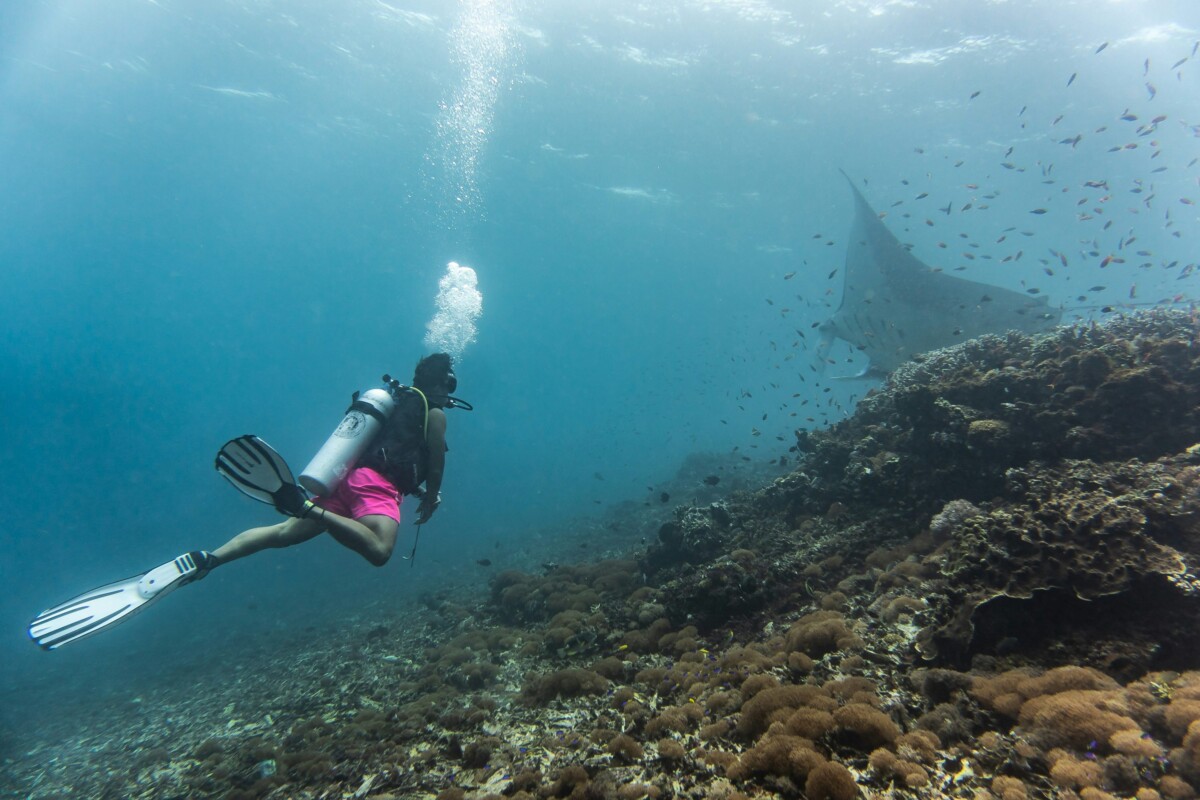
Komodo Island is renowned for its breathtaking coral reefs, vibrant marine life, and pristine waters, making it a world-class destination for divers. However, with the increasing popularity of Komodo diving, there has been growing concern about the damage caused to these fragile ecosystems. Divers, Komodo liveaboard tours, and the overall rise in tourism have raised questions about the sustainability of Komodo boat trips and the long-term health of the coral reefs. Explores how Komodo diving can negatively impact coral reefs and what measures can be taken to prevent further damage.
The Beauty of Komodo Island’s Coral Reefs
Komodo Island, part of Indonesia’s Lesser Sunda Islands, boasts one of the world’s most diverse and rich marine environments. The vibrant coral reefs are home to thousands of fish species, sea turtles, manta rays, and other aquatic creatures, making it a paradise for divers and snorkelers. The stunning underwater landscapes are a significant tourist attraction, with Komodo diving becoming a bucket-list experience for many.
However, as more visitors embark on Komodo boat trips and liveaboard adventures, the delicate coral reefs are under increasing threat. These ecosystems are susceptible; even minor disturbances can cause long-lasting damage.
How Komodo Diving Can Damage Coral Reefs
Physical Damage from Divers
One of the most direct ways that Komodo diving can harm coral reefs is through physical contact. Even the most experienced divers may accidentally kick or brush against coral with their fins, hands, or equipment. Coral is highly fragile; a single touch can break or kill the living organisms that make up the reef. When thousands of divers visit the same popular dive spots over time, the cumulative effect can devastate the reefs’ health.
Additionally, poor buoyancy control among inexperienced divers is a significant issue. Divers who cannot maintain proper water control can unintentionally bump into or land on the coral, crushing or dislodging delicate pieces of the reef.
Also, read A Day in the Life: What It’s Like on a Komodo Liveaboard.
Anchor Damage from Boats
The increase in Komodo boat trips and liveaboard tours means more boats are anchoring near dive sites. Unfortunately, anchors can cause significant damage when dropped onto coral reefs. The anchor can crush coral formations, while the chain may drag across the reef, breaking and scraping the coral as it moves with the current. This type of damage is often permanent and can destroy large areas of reef in a short time.
Pollution from Tourism
Tourism in Komodo Island has also contributed to pollution in the area. Boats used for Komodo diving tours often release oil, fuel, and other chemicals into the water, harming coral reefs and marine life. Additionally, waste from the boats, such as plastic or food scraps, can pollute the water and disrupt the ecosystem’s natural balance.
Even sunscreen used by divers and snorkelers can contribute to coral bleaching. Many sunscreens contain chemicals that, when washed into the ocean, harm coral polyps and lead to bleaching, a process in which coral loses its vibrant color and, eventually, its life.
What We Can Do to Prevent Damage
Choose Eco-Friendly Komodo Liveaboard Tours
When booking a Komodo liveaboard or boat trip, choosing operators who prioritize environmental sustainability is essential. Look for companies that follow responsible tourism practices, such as using mooring buoys instead of anchors and educating guests about proper diving etiquette. Many eco-friendly liveaboard operators work closely with conservation groups to minimize their environmental impact and contribute to reef protection efforts.
Practice Responsible Diving
Divers can significantly reduce their impact on coral reefs by following simple guidelines. Proper buoyancy control is crucial; before diving, ensure you are confident in maintaining neutral buoyancy throughout the dive. This will allow you to avoid accidental contact with coral.
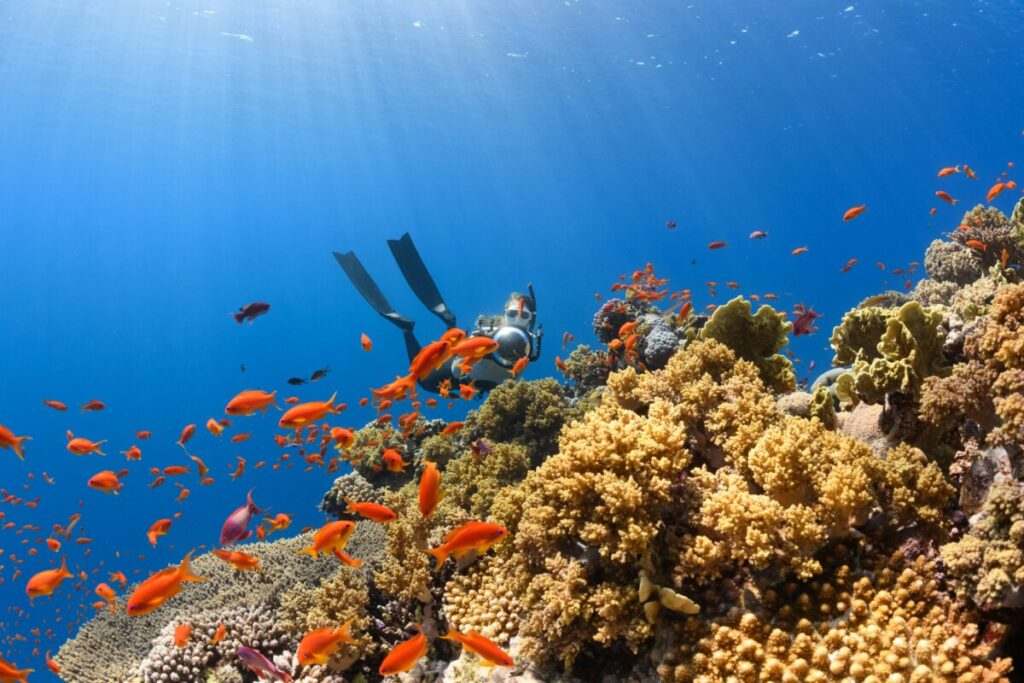
Avoid touching, kicking, or standing on the reef. If you need to adjust your equipment or rest, avoid the coral. Be mindful of your surroundings and give marine life plenty of space. A hands-off approach is the best way to protect the fragile coral reefs while still enjoying the beauty of Komodo diving.
Support Conservation Efforts
Contributing to local conservation initiatives is another way to help protect Komodo Island’s reefs. Many organizations work to restore damaged coral reefs, reduce pollution, and promote sustainable regional tourism. Get involved with these fantastic groups and make a real difference in the future of Komodo’s marine ecosystems. Your donations or volunteer work can help create a positive impact.
Use Reef-Safe Sunscreen
To reduce the risk of coral bleaching, opt for reef-safe sunscreen that doesn’t contain harmful chemicals. Look for mineral-based products that are safer for the environment and still provide sun protection.