Category: Travel and Leisure

  • How to Choose the Right Komodo Experience for Your Travel Style

    How to Choose the Right Komodo Experience for Your Travel Style

    Planning a trip to Komodo is exciting, but choosing the right Komodo tour package can feel overwhelming. With countless options ranging from luxury cruises to day trips, every traveller has different expectations, budgets, and travel styles. The best experience isn’t necessarily the most expensive; it’s the one that matches what you’re looking for.

    Whether you’re dreaming of secluded beaches, world-class diving, iconic viewpoints, or relaxing aboard a luxury yacht, understanding your travel preferences will help you make the most of your journey.

    This guide explains how to choose the ideal Komodo adventure based on your interests, travel companions, and desired experience.

    Why There Isn’t One “Best” Komodo Tour

    Komodo National Park welcomes hundreds of thousands of visitors every year. According to Indonesia’s Ministry of Tourism and local tourism statistics, the destination has experienced significant growth over the past decade, making it one of Southeast Asia’s premier marine tourism destinations.

    Today’s visitors are incredibly diverse:

    • Couples celebrating honeymoons
    • Families traveling with children
    • Luxury travelers
    • Divers
    • Snorkelers
    • Adventure seekers
    • Photographers
    • Solo travelers

    Because every traveller has different expectations, the perfect itinerary depends on personal preferences rather than popularity.

    Choose Based on Your Travel Style

    1. The Relaxation Seeker

    If your dream vacation involves slow mornings, sunset cocktails, and waking up to turquoise waters, consider a multi-day Komodo liveaboard experience.

    Luxury yachts offer spacious cabins, personalised service, gourmet dining, and peaceful anchorages far from crowded ports.

    Perfect for:

    • Honeymooners
    • Couples
    • Luxury travelers
    • Wellness escapes

    2. The Adventure Explorer

    If you’re constantly searching for the next unforgettable adventure, look for a Komodo boat tour that combines trekking, snorkeling, paddleboarding, and island hopping.

    You’ll experience:

    • Hiking to breathtaking viewpoints
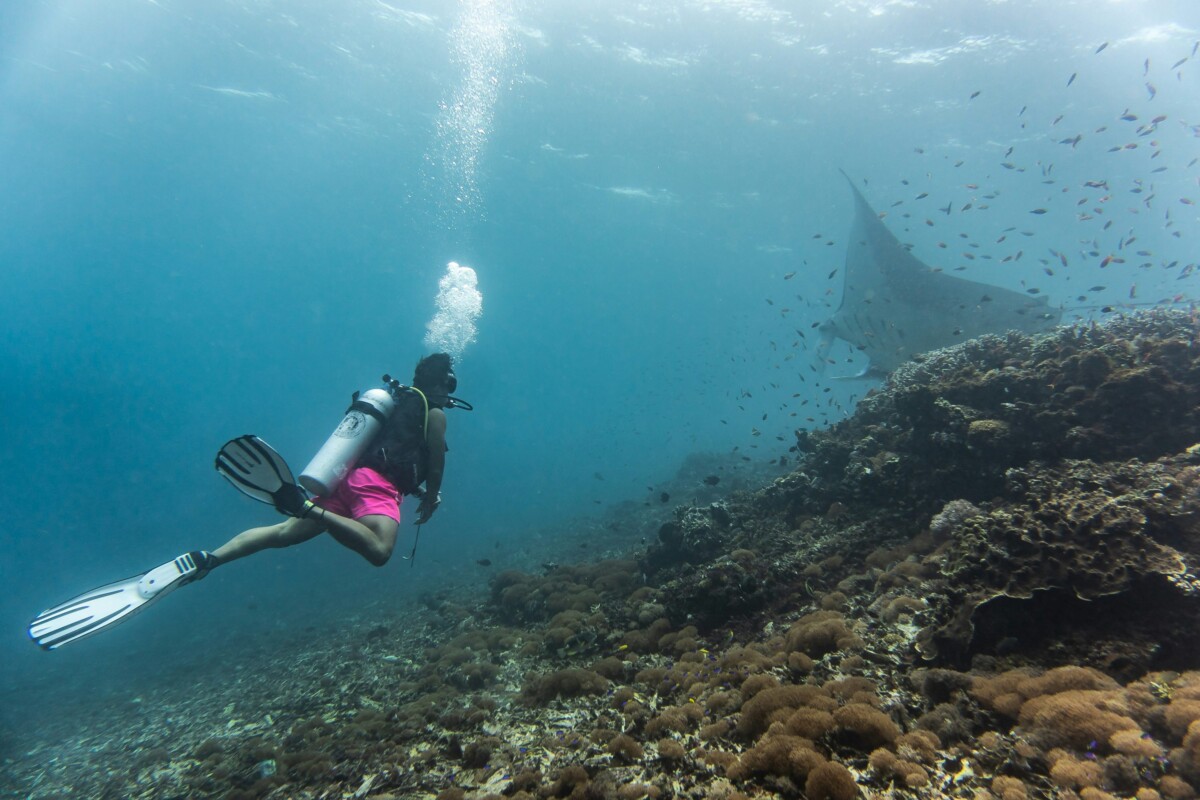
    • Swimming with manta rays
    • Visiting hidden beaches
    • Exploring remote islands

    Adventure-focused itineraries maximize every day without feeling rushed.

    3. Wildlife Enthusiasts

    If your priority is nature, choose itineraries that dedicate more time to Komodo National Park.

    Highlights include:

    • Seeing Komodo dragons safely with park rangers
    • Bird watching
    • Marine biodiversity
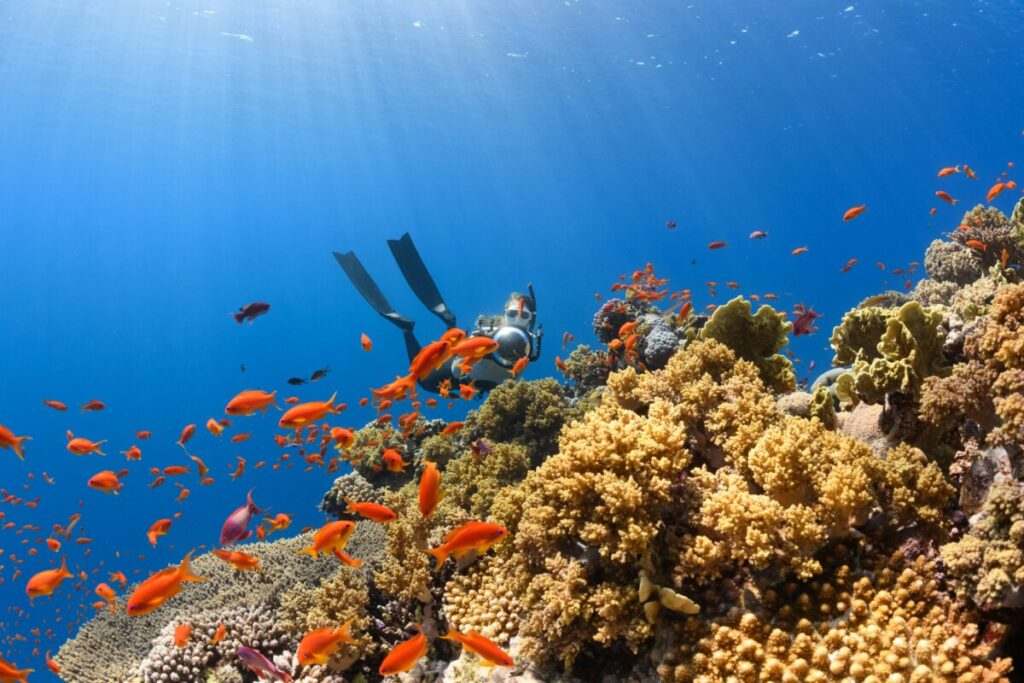
    • Coral reefs
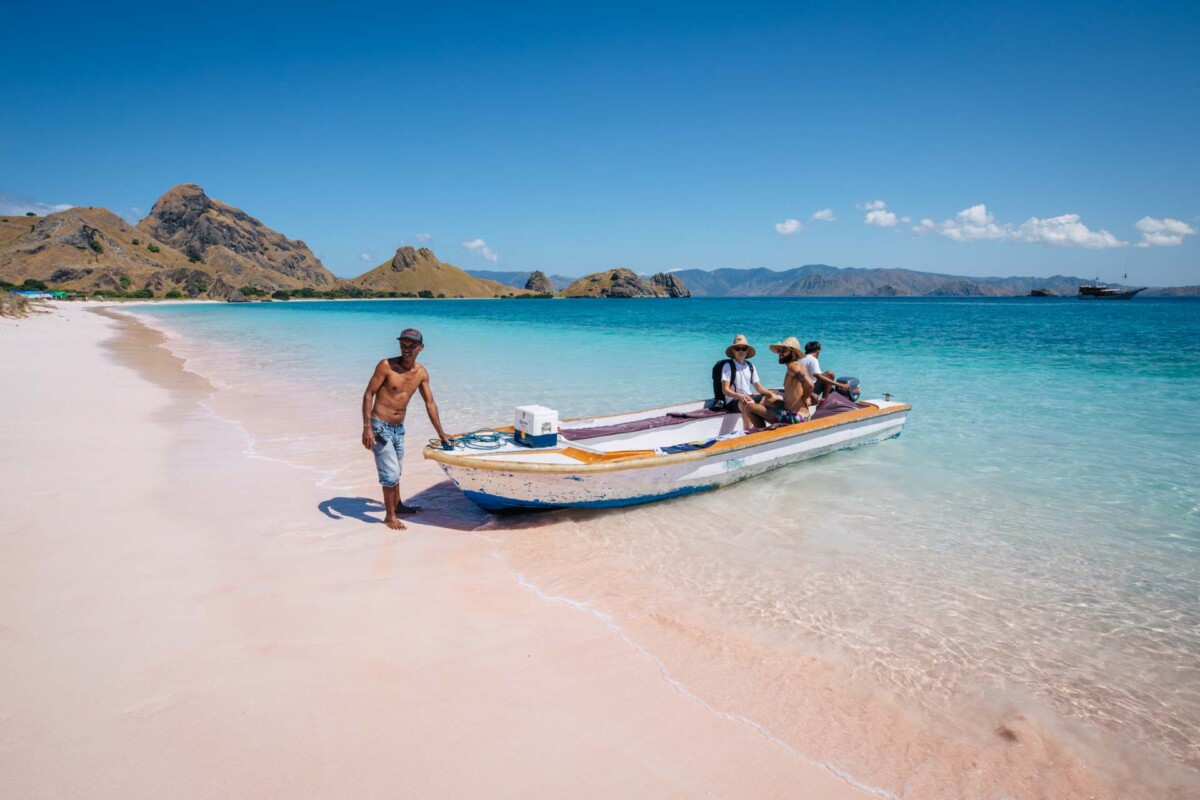
    • Pink Beach
    • Protected ecosystems

    Komodo National Park is also part of a UNESCO World Heritage Site and lies within the Coral Triangle, home to some of the highest marine biodiversity on Earth.

    4. Photography Lovers

    For photographers, timing matters more than itinerary length.

    The best experiences include:

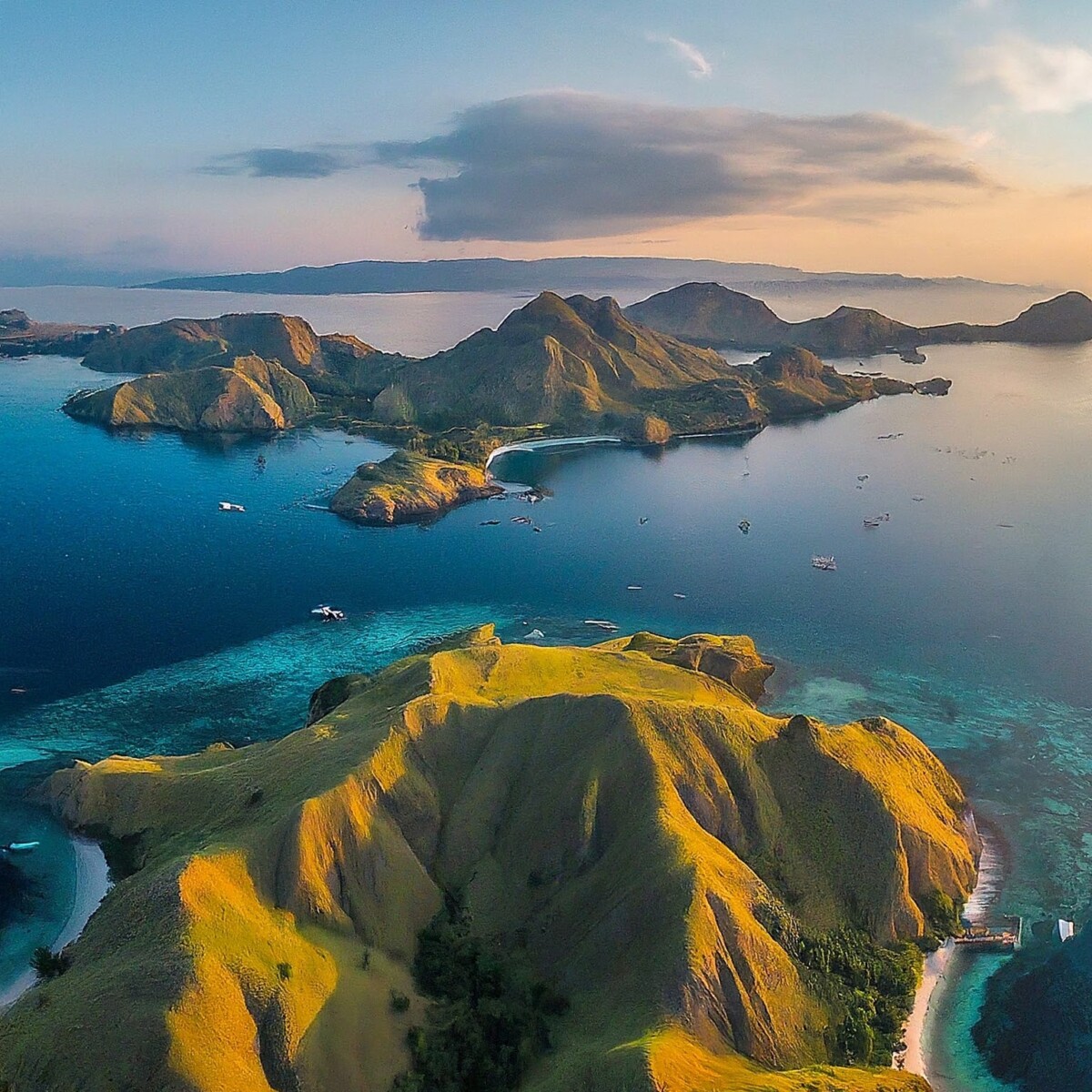
    • Sunrise at Padar Island
    • Golden-hour sailing
    • Wildlife encounters
    • Drone-friendly anchorages
    • Crystal-clear lagoons

    Choosing the right season often has a greater impact than choosing the most luxurious boat.

    5. Families

    Families often prefer flexible itineraries that balance exploration with downtime.

    Private charters offer:

    • Flexible schedules
    • Child-friendly meals
    • Spacious cabins
    • Private snorkeling sessions
    • Safer pacing

    Young children usually enjoy beach visits, wildlife encounters, and calm snorkeling more than long hiking excursions.

    Day Trip or Multi-Day Cruise?

    One of the biggest decisions is whether to stay in Labuan Bajo or spend several days sailing.

    Day Tours

    Ideal if you:

    • Have limited vacation time
    • Want to visit famous highlights
    • Prefer sleeping in hotels
    • Have a tighter budget

    Multi-Day Cruises

    enjoy the sunsrise on Komodo tour package

    Perfect if you want:

    • Less crowded destinations
    • Sunrise and sunset at sea
    • Better snorkeling conditions
    • More wildlife encounters
    • A slower pace

    Many experienced travelers say the real magic begins after the day boats return to port.

    Don’t Forget Your Starting Point

    Every journey begins with a Labuan Bajo tour, where travellers can enjoy waterfront cafés, local seafood restaurants, and sunset viewpoints before departing.

    Many visitors spend one or two nights here before boarding their cruise, allowing time to relax after domestic flights and prepare for the adventure ahead.

    How Long Should Your Trip Be?

    Different travelers benefit from different trip lengths.

    1 Day

    Best for:

    • Short holidays
    • First-time visitors
    • Budget travelers

    3 Days / 2 Nights

    Ideal balance for:

    • Couples
    • Families
    • Most international travelers

    4–6 Days

    Perfect for:

    • Divers
    • Underwater photographers
    • Luxury charters
    • Slow travel enthusiasts

    Longer trips also provide more flexibility if weather conditions change.

    Ask Yourself These Questions Before Booking

    Instead of asking, “Which boat is the best?”

    Ask yourself:

    • Do I want adventure or relaxation?
    • Is privacy important?
    • Am I traveling with children?
    • Do I enjoy hiking?
    • Is diving a priority?
    • Do I want luxury or value?
    • How much time do I have?

    The answers will naturally narrow your options.

    Your Journey Is More Than the Destination

    Many travellers focus only on seeing Komodo dragons, but the journey itself often becomes the highlight.

    Imagine waking to calm seas, enjoying breakfast with panoramic ocean views, snorkeling over vibrant coral reefs, and ending the day beneath a sky full of stars while sailing to Komodo Island.

    These moments create memories that go far beyond a simple sightseeing trip.

    Finding the Right Experience

    There is no universal “best” itinerary—only the one that best matches your travel style.

    Whether you’re seeking luxury, adventure, wildlife, or quality time with loved ones, choosing the right Komodo tour package ensures your trip feels personal, memorable, and worthwhile.

    If you’re unsure where to start, browse our curated collection of Komodo tour packages. From luxury cruises to family-friendly adventures and customizable Labuan Bajo itineraries, Hello Flores helps you discover the perfect journey through one of Indonesia’s most extraordinary destinations.
  • Komodo Island Tourism Revenue Disparity: BTNK Earns IDR 53 Billion, Local Government Only IDR 2 Billion

    Komodo Island Tourism Revenue Disparity: BTNK Earns IDR 53 Billion, Local Government Only IDR 2 Billion

    The tourism sector in Labuan Bajo, particularly Komodo Island, has experienced significant growth, attracting over 400,000 visitors in 2023. Despite this surge, a notable disparity exists in revenue distribution between the Komodo National Park Agency (BTNK) and the local government. BTNK reported earnings of IDR 53 billion, while the local government’s income was a mere IDR 2 billion.

    Surge in Tourist Arrivals to Komodo Island

    In 2023, Labuan Bajo welcomed 423,847 tourists, surpassing pre-pandemic targets. This influx was predominantly international visitors, marking a shift from previous years where domestic tourists were the majority. Pius Baut, the Head of the Tourism, Creative Economy, and Culture Office of West Manggarai, emphasized that the region welcomed 239,149 international tourists and 184,698 domestic visitors. A significant 300,488 of these visitors explored Komodo Island, managed by BTNK.

    Revenue Disparities Between BTNK and Local Government

    Despite the high tourist turnout, the local government’s revenue from tourism-related activities was disproportionately low. BTNK amassed IDR 53 billion from entrance fees to Komodo Island, while the local government’s earnings stood at approximately IDR 2 billion. This discrepancy is attributed to the cessation of local government levies in the Komodo National Park area since May 24, 2023, following recommendations from the Supreme Audit Agency (BPK) to avoid dual charges on tourists.

    Also read A Day in the Life: What It’s Like on a Komodo Liveaboard

    Impact on Local Economy and Future Prospects

    The uneven distribution of tourism revenue has significant implications for the local economy. The local government’s reduced income hampers its ability to invest in infrastructure, community development, and environmental conservation efforts. BTNK and the local authorities need a more equitable revenue-sharing model to address this. Such a model would ensure that the economic benefits of tourism are distributed fairly, fostering sustainable development in the region.

    In conclusion, while Komodo Island’s allure continues to draw tourists worldwide, the existing revenue-sharing framework presents challenges that must be addressed. Implementing a fair distribution system is crucial for the long-term prosperity and sustainability of Labuan Bajo’s tourism industry.

  • Handling Tourist Concerns at Pink Beach: Enhancing Facilities for Sustainable Tourism  

    Handling Tourist Concerns at Pink Beach: Enhancing Facilities for Sustainable Tourism  

    Lack of Basic Facilities at Pink Beach  

    Pink Beach, located in Labuan Bajo, Indonesia, is becoming popular for travelers because of its breathtaking scenery. However, many visitors have expressed disappointment about the lack of restrooms at the beach. Most people arrive at Pink Beach from a boat charter in Komodo Island. Still, they often find themselves uncomfortable due to lacking basic facilities like toilets. This has raised concerns among tourists hoping for a more convenient experience and sustainable tourism.

    The situation has led to environmental challenges, as many tourists resort to relieving themselves in nearby natural areas. This practice raises health risks and threatens the pristine condition of the beach. As more visitors come each year, often arriving through yacht clubs or private charters, the waste management challenge has grown increasingly pressing. To address these problems, promoting sustainable tourism practices is essential to protect the environment while allowing people to enjoy the area’s beauty.

    Tourism Growth Calls for Infrastructure Improvements  

    Labuan Bajo has become a popular tourist destination known for its stunning panorama and easy access by yacht in Indonesia. However, the number of visitors has increased faster than the number of important facilities at Pink Beach. Tour guides and operators highlight that the absence of restrooms can make the experience less enjoyable for visitors, negatively affecting how people view the area.

    Efforts to address this issue include installing portable toilets and developing eco-friendly permanent restrooms. These solutions aim to accommodate tourists arriving via boat charter Komodo while maintaining the beach’s natural beauty.

    Read more How Komodo Diving Can Damage Coral Reefs and What We Can Do to Prevent It.

    Sustainable Tourism: A Key Priority  

    Local officials, environmental groups, and community members agree that any new developments should focus on sustainability. To protect the ecosystem at Pink Beach, setting up environmentally friendly toilets and proper waste management systems is important. Businesses and the government are working together to create solutions that meet the needs of tourists while also caring for the environment.

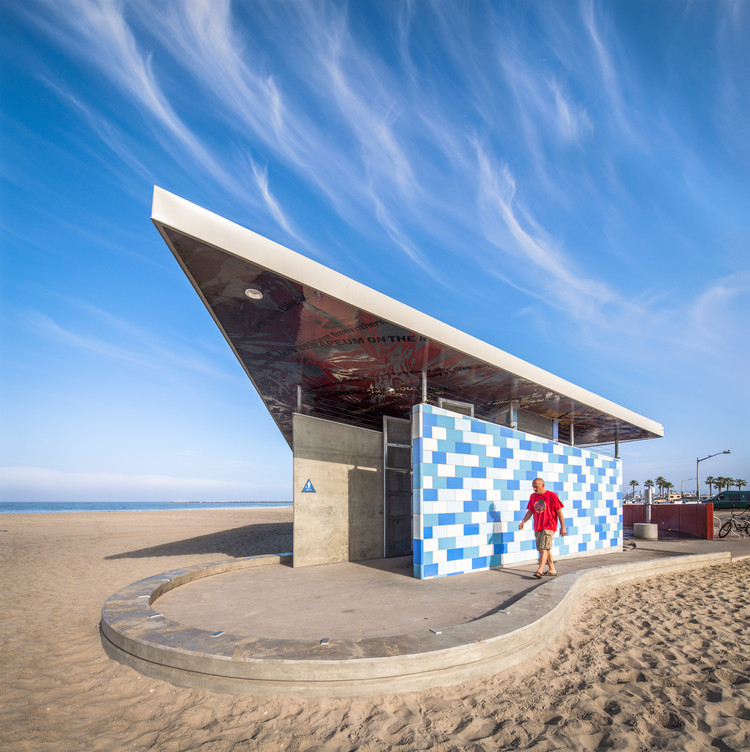
    rest room at pink beach

    Some local businesses charge visitors for restroom facilities, a temporary fix. While this helps visitors in the short term, it highlights the need for more accessible public restrooms so everyone on boat charters to Komodo can have a comfortable experience.

    Striking a Balance Between Tourism and Conservation  

    The case of Pink Beach reflects the broader challenges emerging destinations face in Indonesia. The rapid influx of tourists, many arriving via yacht in Indonesia, necessitates improved infrastructure to support sustainable growth. By proactively addressing these concerns, Labuan Bajo can maintain its appeal as a world-class travel destination.  

    Efforts to resolve these issues at Pink Beach could serve as a model for other destinations striving to achieve harmony between tourism and environmental stewardship.

  • Exploring the Ocean’s Hidden Gems of Indonesia: Beyond Bali

    Exploring the Ocean’s Hidden Gems of Indonesia: Beyond Bali

    When travelers think of Indonesia, Bali often comes to mind as the ultimate tropical destination. However, beyond the shores of this famous island, Indonesia’s vast archipelago offers some of the world’s most spectacular and untouched underwater treasures. Indonesia is a paradise of hidden gems for divers, snorkelers, and ocean lovers. Indonesia, with its 17,000 islands, is home to some of the most diverse marine life in the world. From the world-renowned Raja Ampat to the remote reefs of Wakatobi, some must-visit underwater destinations in Indonesia beyond Bali.

    Raja Ampat: The Crown Jewel of Biodiversity

    Raja Ampat in eastern Indonesia is known for its incredible marine biodiversity, with over 1,500 fish species and 600 types of cIt’s. It’s a top spot for divers and snorkelers, offering crystal-clear waters with excellent visibility. Misool, an island in Raja Ampat, is known for its stunning scenery, secret lagoons, and ancient rock paintings. It’s a great place for people who love taking underwater pictures and those fascinated by marine life.

    Wakatobi: A Diver’s Dream Come True

    Wakatobi, situated in Southeast Sulawesi, is a captivating destination celebrated for its hidden gems – exuberant coral reefs teeming with diverse marine life. The area’s accessible reefs and commitment to sustainability make it perfect for travelers looking to experience the best of Indonesia’s underwater world while supporting eco-friendly tourism.

    Komodo National Park: Beyond the Dragons

    Komodo National Park is well-known for its giant lizards and fantastic diving opportunities. The park’s waters boast diverse marine environments and strong currents, ideal for spotting manta rays and other large aquatic species. Dive sites like Batu Bolong and Manta Point offer diverse and thrilling underwater landscapes. The park also offers excellent snorkeling opportunities, incredible hikes, and stunning panoramic views.

    Also, read Digital Detox Delight: 5 Destinations to Disconnect and Reconnect in Indonesia.

    Bunaken: A Paradise for Snorkelers and Divers

    Located in North Sulawesi, Bunaken Marine Park is a haven for divers and snorkelers alike. Its steep underwater walls and abundant marine life make it a unique diving destination. Known for its crystal-clear waters, Bunaken offers visibility of up to 40 meters in some areas, providing a perfect environment for underwater exploration.

    What sets Bunaken apart is its easy accessibility for both novice and experienced divers. The shallow reefs are ideal for snorkeling, where you can see colorful coral and fish just a few meters from the surface. For more experienced divers, the walls drop off into the deep blue, offering encounters with sea turtles, reef sharks, and schools of fish.

    Alor: Remote and Untouched Beauty

    For those who crave a more off-the-beaten-path experience, Alor in East Nusa Tenggara is the place to go. This remote island chain is less frequented by tourists, making it an ideal destination for those seeking solitude and unspoiled nature. The incredible biodiversity of the dive sites around Alor is renowned. Vibrant reefs, steep drop-offs, and underwater volcanic activity create unique diving experiences.

    Alor is also famous for its whale and dolphin migrations, offering once-in-a-lifetime encounters with these majestic creatures. The lack of crowds and pristine underwater environment make Alor a true hidden gem in Indonesia’s vast marine landscape.

    Belitung Island: A Paradise of White Sands and Granite Rocks

    Belitung Island, situated in the Java Sea off the east coast of Sumatra, is renowned for its stunning tropical landscapes and pristine beaches. It has lovely white sandy beaches, clear turquoise waters, and huge granite rock formations. Tanjung Tinggi Beach is a highlight, perfect for snorkeling. Nearby, Lengkuas Island is home to a historic lighthouse with panoramic views. Belitung also has a rich cultural history, which is showcased at the Tanjung Pandan Museum. Additionally, the island is filled with hidden gems waiting to be explored, from secluded coves to charming local eateries.

    Togean Islands: Unspoiled Serenity

    For those seeking solitude, the Togean Islands in Central Sulawesi offer an escape from the crowds. You can only reach this group of islands by boat. It has beautiful untouched beaches, clear blue water, and colorful coral reefs. Togean is an ideal destination for divers and snorkelers, with various marine species, including sea turtles and rare islands. The islands are also home to the Bajo people, who live in stilt houses over the water. When visit old villages and spend time with the people who live there; it brings a unique cultural experience to your trip.

  • Beneath the Waves: Uncovering WWII Shipwrecks on a Komodo Boat Tour

    Beneath the Waves: Uncovering WWII Shipwrecks on a Komodo Boat Tour

    The Komodo Islands are famous not only for their iconic dragons, stunning beaches, and vibrant coral reefs but also for the history hidden beneath their waters. If you love history or adventure, a Komodo boat tour is a great way to explore sunken ships from World War II. Divers can discover these hidden treasures beneath the waves. The ancient underwater objects give us a cool look into the past. They mix up history and the awesome marine life in Komodo.

    The Historical Significance of WWII Shipwrecks in Komodo

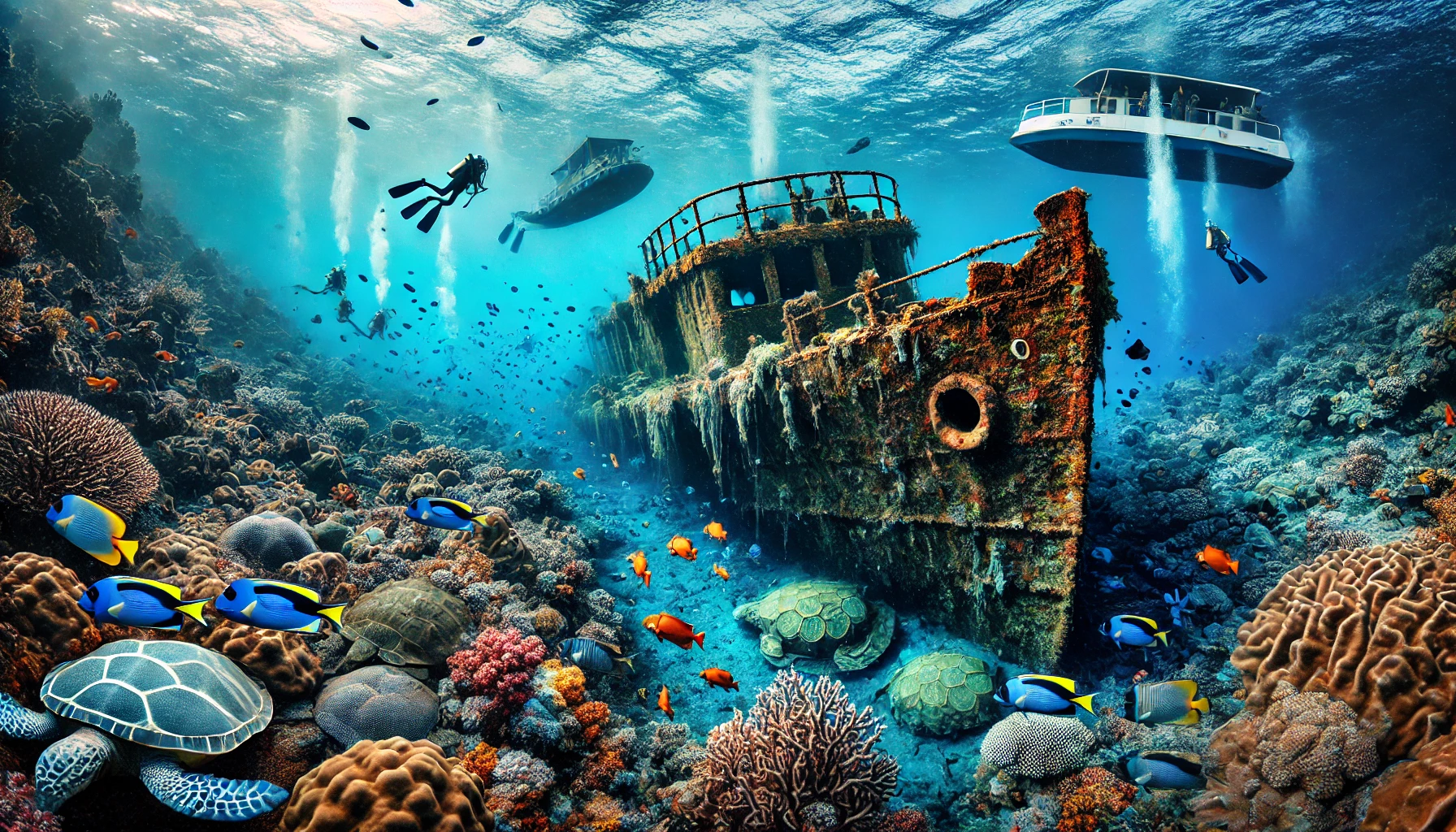
    During World War II, the waters around Indonesia were critical battlegrounds. Many vessels, including military ships, cargo freighters, and submarines, were sunk during naval confrontations, leaving behind shipwrecks that have become a part of Komodo’s underwater landscape. These wrecks offer a unique attraction on a Komodo boat tour, making it an adventure above water and an exciting journey into history beneath the surface.

    Also read A Day in the Life: What It’s Like on a Komodo Liveaboard.

    What to Expect When Exploring WWII Shipwrecks

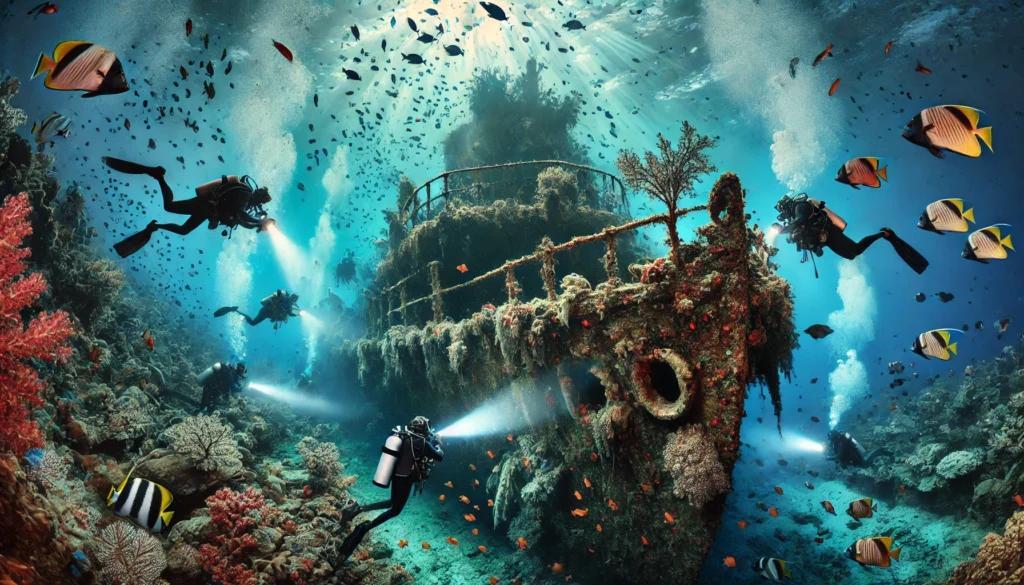
    For divers interested in uncovering these historical treasures, a Komodo boat charter offers exclusive access to some of the best-preserved wrecks in the region. These shipwrecks are often located near thriving coral reefs, allowing divers to experience the eerie beauty of rusting metal and the lively marine ecosystems that have taken over the vessels.

    The USS Liberty is one of the most famous WWII shipwrecks in the Komodo area. In 1942, a US cargo ship was attacked and sunk by a Japanese submarine. While it lies closer to Bali, it is often included in extended Komodo sailing trips, making it a significant stop for those keen on World War II history. The wreck is shallow enough for both beginner and experienced divers to explore, with the ship now home to vibrant corals, colorful fish, and even sea turtles.

    Why Take a Komodo Liveaboard for Wreck Diving?

    One of the best ways to experience wreck diving around Komodo is through a Komodo liveaboard tour. These tours allow divers to spend several days or weeks aboard a boat, maximizing their time underwater. With a liveaboard, you can visit multiple shipwrecks in the area while also exploring Komodo’s rich biodiversity. These multi-day trips offer the added benefit of visiting remote sites that are less accessible on day trips, ensuring a more intimate and immersive experience.

    What to Expect When Exploring WWII Shipwrecks on your Komodo Boat Tour

    WWII wrecks around Komodo vary in depth and condition, but all teem with marine life. Divers may find remnants of the ships’ structures, cargo, and even personal artifacts preserved over time. While diving among these wrecks, the atmosphere is haunting yet awe-inspiring, as the sea has transformed these war relics into beautiful underwater ecosystems.

    Planning Your Komodo Boat Tour

    Booking a Komodo boat charter is ideal for travelers planning to explore the WWII shipwrecks. Many charter companies offer customized itineraries that include wreck diving, making incorporating this unique experience into your trip easy. When planning your Komodo boat tour, choosing a charter that understands the significance of these wrecks and respects the underwater heritage they represent is essential.

    Diving into History and Marine Life

    In addition to the historical significance, WWII shipwrecks have become part of Komodo’s vibrant marine world. These submerged vessels are now artificial reefs, providing shelter for countless fish species, crustaceans, and coral. The combination of history and nature makes a Komodo sailing trip that includes wreck diving an unforgettable experience. Each dive offers a chance to reflect on the past while witnessing the resilience of marine life as it reclaims these sunken vessels.

    A Komodo boat tour offers more than just the chance to see Komodo dragons and beautiful landscapes—it opens the door to exploring a piece of history hidden beneath the waves. For history enthusiasts and adventurous divers, uncovering WWII shipwrecks on a Komodo boat charter adds a layer of intrigue and excitement to any trip. With so many stories preserved underwater, a Komodo liveaboard or boat charter provides an unparalleled opportunity to dive deep into history and the vibrant world beneath the sea.

  • How Komodo Diving Can Damage Coral Reefs and What We Can Do to Prevent It

    How Komodo Diving Can Damage Coral Reefs and What We Can Do to Prevent It

    Komodo Island is renowned for its breathtaking coral reefs, vibrant marine life, and pristine waters, making it a world-class destination for divers. However, with the increasing popularity of Komodo diving, there has been growing concern about the damage caused to these fragile ecosystems. Divers, Komodo liveaboard tours, and the overall rise in tourism have raised questions about the sustainability of Komodo boat trips and the long-term health of the coral reefs. Explores how Komodo diving can negatively impact coral reefs and what measures can be taken to prevent further damage.

    The Beauty of Komodo Island’s Coral Reefs

    Komodo Island, part of Indonesia’s Lesser Sunda Islands, boasts one of the world’s most diverse and rich marine environments. The vibrant coral reefs are home to thousands of fish species, sea turtles, manta rays, and other aquatic creatures, making it a paradise for divers and snorkelers. The stunning underwater landscapes are a significant tourist attraction, with Komodo diving becoming a bucket-list experience for many.

    However, as more visitors embark on Komodo boat trips and liveaboard adventures, the delicate coral reefs are under increasing threat. These ecosystems are susceptible; even minor disturbances can cause long-lasting damage.

    How Komodo Diving Can Damage Coral Reefs

    Physical Damage from Divers

    One of the most direct ways that Komodo diving can harm coral reefs is through physical contact. Even the most experienced divers may accidentally kick or brush against coral with their fins, hands, or equipment. Coral is highly fragile; a single touch can break or kill the living organisms that make up the reef. When thousands of divers visit the same popular dive spots over time, the cumulative effect can devastate the reefs’ health.

    Additionally, poor buoyancy control among inexperienced divers is a significant issue. Divers who cannot maintain proper water control can unintentionally bump into or land on the coral, crushing or dislodging delicate pieces of the reef.

    Also, read A Day in the Life: What It’s Like on a Komodo Liveaboard.

    Anchor Damage from Boats

    The increase in Komodo boat trips and liveaboard tours means more boats are anchoring near dive sites. Unfortunately, anchors can cause significant damage when dropped onto coral reefs. The anchor can crush coral formations, while the chain may drag across the reef, breaking and scraping the coral as it moves with the current. This type of damage is often permanent and can destroy large areas of reef in a short time.

    Pollution from Tourism

    Tourism in Komodo Island has also contributed to pollution in the area. Boats used for Komodo diving tours often release oil, fuel, and other chemicals into the water, harming coral reefs and marine life. Additionally, waste from the boats, such as plastic or food scraps, can pollute the water and disrupt the ecosystem’s natural balance.

    Even sunscreen used by divers and snorkelers can contribute to coral bleaching. Many sunscreens contain chemicals that, when washed into the ocean, harm coral polyps and lead to bleaching, a process in which coral loses its vibrant color and, eventually, its life.

    What We Can Do to Prevent Damage

    Choose Eco-Friendly Komodo Liveaboard Tours

    When booking a Komodo liveaboard or boat trip, choosing operators who prioritize environmental sustainability is essential. Look for companies that follow responsible tourism practices, such as using mooring buoys instead of anchors and educating guests about proper diving etiquette. Many eco-friendly liveaboard operators work closely with conservation groups to minimize their environmental impact and contribute to reef protection efforts.

    Practice Responsible Diving

    Divers can significantly reduce their impact on coral reefs by following simple guidelines. Proper buoyancy control is crucial; before diving, ensure you are confident in maintaining neutral buoyancy throughout the dive. This will allow you to avoid accidental contact with coral.

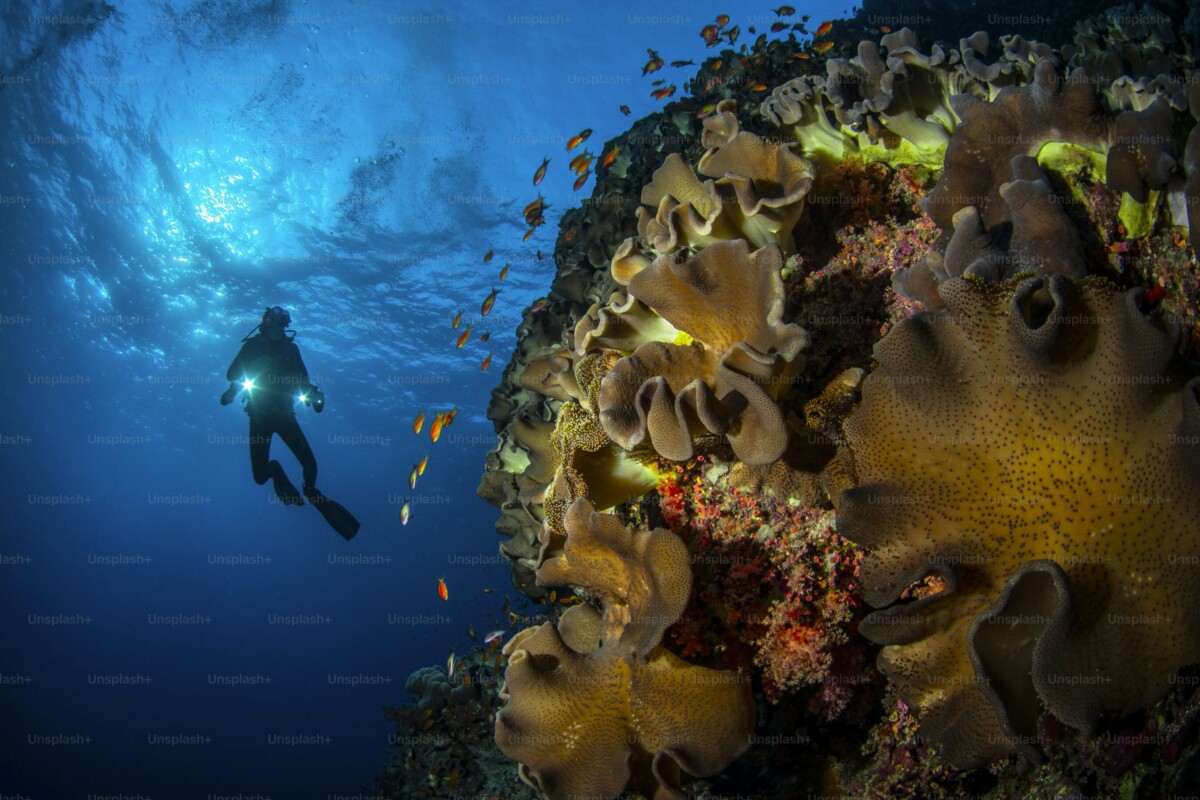
    practice responsibility of Komodo diving

    Avoid touching, kicking, or standing on the reef. If you need to adjust your equipment or rest, avoid the coral. Be mindful of your surroundings and give marine life plenty of space. A hands-off approach is the best way to protect the fragile coral reefs while still enjoying the beauty of Komodo diving.

    Support Conservation Efforts

    Contributing to local conservation initiatives is another way to help protect Komodo Island’s reefs. Many organizations work to restore damaged coral reefs, reduce pollution, and promote sustainable regional tourism. Get involved with these fantastic groups and make a real difference in the future of Komodo’s marine ecosystems. Your donations or volunteer work can help create a positive impact.

    Use Reef-Safe Sunscreen

    To reduce the risk of coral bleaching, opt for reef-safe sunscreen that doesn’t contain harmful chemicals. Look for mineral-based products that are safer for the environment and still provide sun protection.

  • A Day in the Life: What It’s Like on a Komodo Liveaboard

    Picture yourself waking up to the soothing sway of the sea, enveloped by pristine, azure waters and stunning vistas right outside your cabin. This is the essence of a day aboard a Komodo liveaboard. This exhilarating journey beckons you to discover the spectacular natural marvels of Komodo Island at every turn.

    Morning: Rise with the Sun

    The day begins early on a Komodo liveaboard. As the first rays of sunlight brighten the horizon, you’re gently awakened by the soft lapping of waves against the hull. The crew prepares a delightful breakfast for you to enjoy on the deck, surrounded by panoramic views of the islands.

    Rise the sun on Komodo liveaboard

    After breakfast, it’s time to gear up for the first adventure of the day. The calm morning waters are perfect for a snorkeling session, where you’ll discover vibrant coral gardens teeming with marine life. If you’re an experienced diver, this is also the ideal time to descend into the depths and explore some of Komodo’s world-renowned dive sites. Immerse yourself in the enchanting underwater world, where vibrant fish, graceful manta rays, and the occasional reef shark create a genuinely mesmerizing spectacle.

    Midday: Exploring Komodo Island

    As the boat anchors near Komodo Island, the excitement builds for the main highlight of the day—a visit to see the famous Komodo dragons. These ancient reptiles are the most giant lizards in the world and are found nowhere else on Earth. A guided trek through the island’s rugged terrain offers the chance to observe these incredible creatures in their natural habitat.

    During the walk, you’ll have the chance to discover the island’s unique plants and animals with our friendly guide. Watch out for deer, wild boars, and many different bird species that live on the island.

    After the trek, you return to the Komodo liveaboard for a well-deserved lunch. The onboard chef prepares a sumptuous meal, often featuring fresh, locally sourced ingredients. As you dine, the boat begins to sail towards the next destination, offering a perfect moment to relax and reflect on the morning’s adventures.

    Also, read Ultimate Guide to Komodo Island Tour and Volcano Trekking Adventures.

    Afternoon: Sailing to Secluded Spots

    The afternoon is dedicated to more exploration, often involving a Komodo boat trip to some of the area’s lesser-known spots. One of the highlights of a Komodo sailing trip is its flexibility—you can visit remote beaches, hidden coves, and small uninhabited islands only accessible by boat.

    Whether sunbathe on the deck, swim in the turquoise waters, or take a kayak out for a paddle. The afternoon is all about enjoying the serenity of the surroundings. For those interested in marine life, another dive or snorkel session is typically on the agenda. It allows you to experience the diverse underwater ecosystems that make this region unique.

    Evening: Sunset and Stargazing

    As the day ends, our Komodo liveaboard prepares for a fantastic sunset. The sky turns into a beautiful orange, pink, and purple canvas, casting a warm glow over the islands and the water. It’s the perfect time to relax with a drink, share stories with fellow travelers, and reflect on the day’s adventures.

    Stargazing at the deck boat on Komodo liveaboard

    A delightful dinner served on deck under a sparkling blanket of stars, accompanied by the soothing melody of the ocean, is a simply magical experience. The night sky in this remote part of the world is apparent, offering a breathtaking view of the stars and, if you’re lucky, the Milky Way.

    Hey there! If you’re up for it, you can experience the magic of night dives to see the underwater world in a new light. Nothing beats lounging on the deck, gazing at the stars, and feeling completely peaceful.

    Night: Drift into Sleep

    As the boat gently rocks, you retire to your cozy cabin, ready to sleep. Today, we’ve experienced unforgettable moments, from the amazing landscapes of Komodo Island to the vibrant marine life below the waves. Each day on a Komodo liveaboard is a new adventure, promising a unique blend of exploration, relaxation, and wonder.

    In the morning, you’ll wake up to a new destination and another day of discovery. Whether it’s your first time going on a Komodo boat trip or you’re a seasoned traveler. The experience is always enchanting, creating memories that will stay with you forever.

  • How ITDC Leverages International Music Festivals to Boost Low Season at 5-Star Hotel in Nusa Dua

    How ITDC Leverages International Music Festivals to Boost Low Season at 5-Star Hotel in Nusa Dua

    Nusa Dua, a tranquil area on the southern tip of Bali, is renowned for its luxury resorts, pristine beaches, and world-class hospitality. Among its crown jewels is the 5-Star Hotel in Nusa Dua, a premier destination for travelers seeking an unparalleled blend of comfort and elegance. However, like many tourist destinations, Nusa Dua experiences a noticeable visitor dip during the low season. To counteract this, the Indonesia Tourism Development Corporation (ITDC) has ingeniously capitalized on international music festivals to maintain a steady influx of guests. This strategy benefits the local economy and ensures that the top Hotels in Nusa Dua and other regional hotels remain bustling year-round.

    The Role of ITDC in Promoting Nusa Dua

    The ITDC, responsible for developing and promoting Nusa Dua as a tourist destination, has proactively found innovative solutions to the challenges posed by seasonal fluctuations. By hosting international music festivals during the low season, ITDC attracts music enthusiasts from around the globe, transforming a quieter period into a vibrant and lively time for the area. These festivals draw large crowds, significantly boosting local businesses, including hotels, restaurants, and shops.

    The Impact on 5-Star Hotels in Nusa Dua

    International music festivals substantially impact the 5-star Hotel in Nusa Dua. These events draw in a diverse audience, including international tourists and local visitors, who often seek accommodations that offer luxury and convenience. The influx of festival-goers ensures that high-end hotels, such as the 5-star Hotel in Nusa Dua, experience increased occupancy rates. This helps maintain revenue and positions Nusa Dua as a year-round destination for luxury travelers.

    Also read, Sounds of Serenity: Balinese Gamelan Classes at Resort in Bali

    Enhancing the Guest Experience

    Hotels in Nusa Dua leverage these festivals to enhance their guest experience. By offering exclusive festival packages, including VIP tickets, transportation, and exceptional amenities, hotels create an attractive proposition for visitors. These packages often feature additional perks such as spa treatments, gourmet dining experiences, and guided tours, making the stay even more memorable. The Best Family Hotel Nusa Dua often tailors these packages to include family-friendly activities and entertainment, ensuring guests of all ages enjoy an enjoyable experience.

    Collaboration with Event Organizers

    The success of these festivals is largely due to the close collaboration between ITDC and event organizers. Through collaboration, they guarantee that every occasion is carefully organized and carried out, delivering a smooth experience for all participants. This collaboration extends to the Family Hotel Nusa Dua, which often hosts festival-related events such as pre-parties, after-parties, and meet-and-greet sessions with performers. These additional events create a buzz around the festival, attracting even more visitors.

    Boosting the Local Economy

    The benefits of international music festivals extend beyond the hospitality industry. Local vendors, artisans, and service providers also reap the rewards of increased tourism during these events. From food stalls and souvenir shops to transport services and tour guides, the influx of visitors provides a much-needed economic boost during the low season. This holistic approach to tourism development ensures that the entire community benefits from ITDC’s initiatives.

    Boosting the local economy at festival music in 5-star hotel in Nusa Dua.

    Future Prospects

    Looking ahead, ITDC plans to expand its calendar of events, incorporating a more comprehensive range of festivals and cultural activities. This strategic approach aims to position Nusa Dua as a premier entertainment and cultural tourism destination. By continuously enhancing its offerings and promoting diverse events, ITDC ensures that Nusa Dua remains a top choice for travelers seeking unique and enriching experiences.

  • Best Road Trips and Itineraries for Your Next Adventure in Indonesia

    Best Road Trips and Itineraries for Your Next Adventure in Indonesia

    Indonesia, an archipelago nation adorned with emerald islands, volcanic peaks, and captivating coastlines, is a dream destination for adventurous road trippers. Buckle up and hit the gas because Indonesia offers an unforgettable journey on wheels, weaving together diverse landscapes, rich cultures, and hidden gems. Here are some of the best road trip routes to consider for your next adventure in Indonesia:

    1. Unveiling the Majesty of Java:

    • Route: Begin your journey in Jakarta, Indonesia’s bustling capital, and head east towards the charming city of Bandung. With its tea plantations and volcanic peaks, Bandung is a haven for nature lovers.
    • Itinerary: Continue your adventure in Indonesia from the south to Pangandaran, a beach paradise offering surfing, diving, and stunning sunsets. Wind your way through the scenic highlands of Wonosobo, stopping to marvel at the majestic Dieng Plateau with its colorful lakes and ancient temples. Conclude your trip to Yogyakarta, the cultural heart of Java, where you can immerse yourself in the beauty of Prambanan and Borobudur Temple.

    2. Unveiling the Enchantment of Bali:

    • Route: Start your exploration in Denpasar, Bali’s vibrant capital. Head north towards Ubud, the island’s artistic and cultural hub, renowned for its rice paddies, traditional dance performances, and art galleries.
    • Itinerary: Continue your journey east to the charming village of Sidemen, nestled amidst breathtaking rice terraces. Drive south to the stunning Nusa Dua peninsula, a haven for luxurious resorts and pristine beaches. Conclude your Balinese adventure in Seminyak, a trendy coastal town known for its lively nightlife and world-class surfing.

    Read also, Navigating Nature: Tips for a Successful Expedition

    3. Unveiling the Untamed Beauty of Sumatra:

    • Route: Begin your exploration in Medan, Sumatra’s energetic capital city. Head south towards Bukittinggi, a charming highland town offering breathtaking views and a glimpse into Minangkabau culture.
    • Itinerary: Continue your adventure to Lake Toba, the largest volcanic lake in the world, where you can explore Samosir Island and experience the unique Batak culture. Head west towards Aceh, a province rich in history and natural wonders, where you can visit the mesmerizing Lau Kawar Hot Springs and the Tsunami Museum.

    4. Unveiling the Secrets of Flores:

    • Route:West Flores (Labuan Bajo – Ruteng – Manggarai – Cancar):
    • Itinerary: Begin your adventure in Labuan Bajo, the gateway to Komodo National Park, where you might encounter the legendary Komodo dragons. Travel inland to Ruteng, a cool mountain town surrounded by traditional villages. Explore the Manggarai region, known for its megalithic stone structures and stunning rice terraces. End your journey in Cancar, a city nestled amidst dramatic limestone cliffs, offering breathtaking views.

    5. Island Hopping Adventure in Lombok:

    • Route:Lombok (Senggigi – Mataram – Tetebatu – Kuta)
    • Itinerary: Relax on the beautiful beaches of Senggigi, a famous resort town on Lombok’s west coast. Head towards Mataram, the island’s capital, to experience its cultural treasures. Hike through the lush hills of Tetebatu, a region common for its coffee plantations and stunning waterfalls. Conclude your trip in the lively beach town of Kuta, offering various surfing options and vibrant nightlife.

    6. Unveiling the Beauty of Sulawesi:

    • Route:South Sulawesi (Toraja Land – Makassar – Bira Beach)
    • Itinerary: Delve into the unique culture of Toraja Land, where traditional funeral ceremonies and intricately carved wooden houses await. Explore Makassar, a bustling port city rich in history and cultural influences. Finally, unwind on Bira Beach’s pristine white sand beaches, perfect for swimming and relaxation.

    Planning Your Adventure in Indonesia Road Trip:

    • Research and Preparation: Choose your route based on your interests and desired duration. Ensure your vehicle is in good condition and obtain the necessary permits. Research toll roads and plan your stops for fuel and refreshments.
    • Embrace the Unexpected: Part of a road trip’s charm is the possibility of discovering hidden gems along the way. Be flexible and open to detours and spontaneous adventures.
    • Respect Local Culture: Dress modestly in areas with religious significance and be mindful of local customs. Learn basic Indonesian phrases to enhance your interactions with the locals.
  • Eco-Tourism Adventures: Komodo Island from an American Perspective

    Eco-Tourism Adventures: Komodo Island from an American Perspective

    Komodo Island, nestled in the heart of Indonesia, is a volcanic wonder unlike any other. This rugged island chain boasts a unique ecosystem teeming with life, most famously the Komodo dragon – the largest lizard species on Earth. But Komodo Island offers far more than just prehistoric giants. Vibrant coral reefs, diverse marine life, and traditional villages waiting to be explored make it a dream destination for eco-conscious travelers, especially those from the United States seeking an adventure beyond the ordinary.

    For American explorers, Komodo Island presents a unique opportunity to immerse themselves in a culture vastly different from their own. Here, we’ll explore the best ways to experience the wonders of Komodo Island from an American perspective, focusing on eco-friendly travel options that give back to the environment and local communities.

    Unveiling the Jewels of Komodo National Park

    Komodo National Park encompasses Komodo Island, Rinca Island, Flores Island, and several smaller islands. It is a UNESCO World Heritage site that showcases an impressive variety of biodiversity.

    On Land:

    • Encountering the Komodo Dragon: A private tour of Komodo is the best way to observe these magnificent creatures in their natural habitat safely. Expert guides will share amazing insights into the Komodo dragon’s behavior and the ongoing conservation efforts to protect these prehistoric wonders.
    • Trekking Through Pristine Landscapes: Hiking trails weave through Komodo Island’s volcanic terrain, offering breathtaking views of lush rainforests, dramatic coastlines, and hidden waterfalls. Opting for a private tour, Komodo allows you to tailor the hike to your fitness level and interests.
    • Exploring Local Villages: Stepping into a traditional village on Flores Island provides a glimpse into the region’s rich cultural heritage. Interact with friendly locals, learn about their way of life, and support local artisans by purchasing handcrafted souvenirs.

    Read More:

    Ultimate Guide to Komodo Island Tour and Volcano Trekking Adventures

    Padar Island: Where Wildlife Watching Dreams Come True

    Diving Beneath the Waves with Komodo Diving

    Komodo Island boasts some of the most incredible diving experiences in the world. Diversity coral reefs teeming with colorful fish, playful dolphins, graceful manta rays, and even majestic sharks await exploration.

    • Komodo Liveaboard Adventure: A Komodo liveaboard offers the ultimate diving experience. Imagine waking up on a comfortable boat each morning, ready to explore a new dive site teeming with marine life. Liveaboards typically cater to a small group of divers, ensuring a personalized and eco-friendly experience.
    • Exploring Underwater Paradise: Komodo diving offers something for divers of all skill levels. From gentle coral gardens teeming with macro life to thrilling wall dives and current drifts, there’s a dive site to suit your preferences. Experienced guides will ensure safety and point you toward the most spectacular underwater encounters.

    Setting Sail on a Komodo Sailing Tour

    Imagine exploring the rugged coastlines and hidden coves of Komodo Island aboard a traditional Indonesian Phinisi boat. A Komodo sailing tour allows you to uniquely appreciate the islands’ beauty, with the wind in your hair and the crystal-clear water beckoning below.

    • Eco-Friendly Sailing: Many Komodo sailing tours prioritize sustainable practices. Look for tours that use traditional wind power whenever possible, minimize waste generation, and actively support local communities.
    • Island Hopping Adventures: A Komodo sailing tour allows you to explore multiple islands within the national park. Discover hidden beaches, snorkel in crystal-clear coves, and encounter diverse wildlife, all while appreciating the breathtaking scenery.
    • Unforgettable Sunsets: Witnessing the sun dip below the horizon over the Komodo Islands is an experience that will stay with you forever. Imagine relaxing on the deck of your sailboat, sipping a refreshing drink, and soaking in the beauty of this magical place.

    Beyond the Adventure: Supporting Conservation Efforts

    Tourism plays a crucial role in Komodo Island’s conservation efforts. American travelers can directly contribute to protecting this unique ecosystem by choosing eco-friendly tours and operators prioritizing sustainability.

    • Responsible Tourism: Look for tours strongly committed to responsible tourism practices. These might include using local guides, supporting community-based projects, and minimizing environmental impact.
    • Respecting Wildlife: Always follow your guide’s instructions when encountering wildlife. Maintain a safe distance from Komodo dragons and other animals, and avoid littering or disturbing their natural habitat.
    • Leaving a Positive Impact: Becoming an eco-conscious traveler is key. Pack reusable water bottles and shopping bags, minimize waste generation, and choose locally sourced products whenever possible. Every small effort counts in preserving this natural wonder.

    Komodo Island offers an unforgettable adventure for American travelers seeking an eco-friendly escape. From encountering Komodo dragons to diving into an underwater paradise, there’s something for everyone.